THE ADVENTURE COLLECTIVE® · Independent discovery and booking for outdoor travel

Catch sunrise above a sea of clouds at Cầu Đất, stroll the rolling Cau Đất Tea Hill, sample strawberries at a high-tech farm, and finish with panoramic views at Lối Của Gió Café. An easy, six-hour introduction to Da Lat’s highland farms and early-morning light.
Catch sunrise above a sea of clouds at Cầu Đất, stroll the rolling Cau Đất Tea Hill, sample strawberries at a high-tech farm, and finish with panoramic views at Lối Của Gió Café. An easy, six-hour introduction to Da Lat’s highland farms and early-morning light.
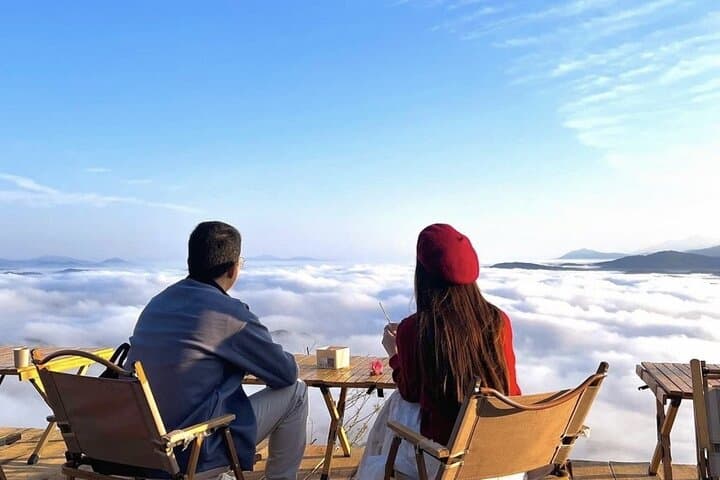
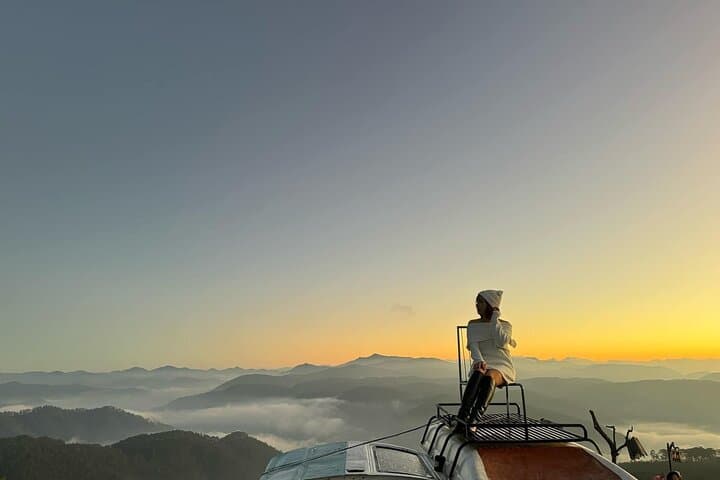
Before dawn you step from the bus into a thin, crisp air; the valley below is a moving ocean of clouds lit from beneath by the city’s night lights. At 4:00 AM the sun edges up and the clouds blush—this is cloud hunting at Cầu Đất, where wind turbines silhouette against a sky that seems to be waking with you.
Verified experiences and guided adventures in the surrounding area.
Operated by Alotour · Da Lat, Lâm Đồng
Before dawn you step from the bus into a thin, crisp air; the valley below is a moving ocean of clouds lit from beneath by the city’s night lights. At 4:00 AM the sun edges up and the clouds blush—this is cloud hunting at Cầu Đất, where wind turbines silhouette against a sky that seems to be waking with you.
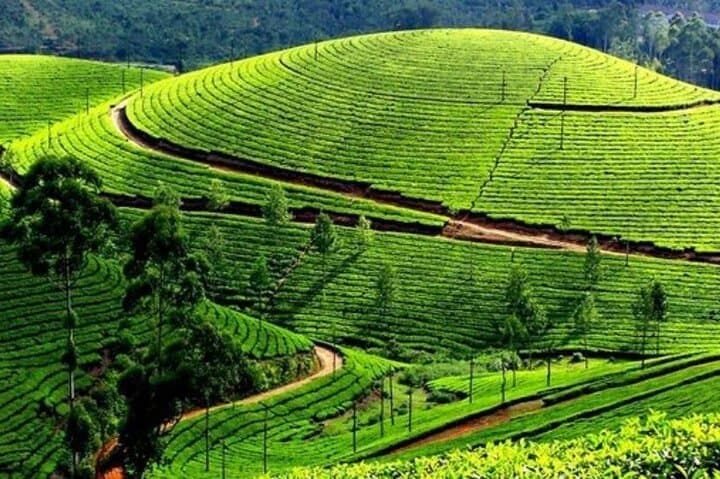
The highland around Da Lat sits at roughly 1,400–1,600 m elevation on Vietnam’s Lang Biang plateau, a landscape carved by volcanic rock and shaped into tea terraces and gentle ridgelines. Cau Dat Tea Hill, planted in the early 20th century, mixes agricultural history with modern renewable energy—rows of tea and rotating turbines are as much cultural markers as they are useful infrastructure.
The morning moves from panoramic lookout to cultivated intimacy: a high-tech strawberry farm where plastic tunnels, drip irrigation and careful pruning support year-round harvests, then quiet persimmon plots where locals tend trees with patient hands. The final stop, Lối Của Gió Café, reinterprets Northwest wooden-house architecture and offers a sweeping view of Da Lat’s valley of lights—an apt close to a tour that threads nature, farming, and local design.
Practical guide: the tour is six hours with short, flat walks and paved access between sites. Temperatures can drop near sunrise—bring layers and a headlamp for early boarding. Wear sturdy shoes for farm paths and bring a refillable bottle; bottled water is provided but refilling reduces waste. Cameras and wide-angle lenses reward early light; stay with the guide for access and local context. Expect easy walking, agricultural settings rather than rugged trails, and plentiful photo opportunities from sunrise to mid-morning.
easy.
6 hours.
Suitable for most fitness levels; brief, gentle walking on paved roads and farm tracks with minimal elevation change.
The shared tour typically departs around 4:00 AM to reach sunrise viewpoints and runs about six hours, returning mid-day.
Yes—walking is light and terrain is mostly flat; however, the early start and cool temperatures may be challenging for very young children or travelers with serious health issues.
Yes. Entrance tickets to the listed attractions and lunch are included, and bottled water (500 ml per person) is provided.
Dry, cooler months (roughly November–March) tend to offer more stable cloud layers at sunrise, though mornings can be colder and mistier.
Da Lat’s agricultural zones were expanded during French colonial times with tea and vegetable plantations; Cau Dat became known for tea cultivation and later for integrating wind turbines.
Stay on marked paths, avoid picking fruit or trampling seedlings, and prefer refilling water to reduce plastic; many farms prioritize sustainable irrigation and waste management.
Alotour operates guided outdoor trips and adventures with an emphasis on safety, stewardship, and memorable experiences.

Before dawn you step from the bus into a thin, crisp air; the valley below is a moving ocean of clouds lit from beneath by the city’s night lights. At 4:00 AM the sun edges up and the clouds blush—this is cloud hunting at Cầu Đất, where wind turbines silhouette against a sky that seems to be waking with you.
Before dawn you step from the bus into a thin, crisp air; the valley below is a moving ocean of clouds lit from beneath by the city’s night lights. At 4:00 AM the sun edges up and the clouds blush—this is cloud hunting at Cầu Đất, where wind turbines silhouette against a sky that seems to be waking with you.
The highland around Da Lat sits at roughly 1,400–1,600 m elevation on Vietnam’s Lang Biang plateau, a landscape carved by volcanic rock and shaped into tea terraces and gentle ridgelines. Cau Dat Tea Hill, planted in the early 20th century, mixes agricultural history with modern renewable energy—rows of tea and rotating turbines are as much cultural markers as they are useful infrastructure.
The morning moves from panoramic lookout to cultivated intimacy: a high-tech strawberry farm where plastic tunnels, drip irrigation and careful pruning support year-round harvests, then quiet persimmon plots where locals tend trees with patient hands. The final stop, Lối Của Gió Café, reinterprets Northwest wooden-house architecture and offers a sweeping view of Da Lat’s valley of lights—an apt close to a tour that threads nature, farming, and local design.
Practical guide: the tour is six hours with short, flat walks and paved access between sites. Temperatures can drop near sunrise—bring layers and a headlamp for early boarding. Wear sturdy shoes for farm paths and bring a refillable bottle; bottled water is provided but refilling reduces waste. Cameras and wide-angle lenses reward early light; stay with the guide for access and local context. Expect easy walking, agricultural settings rather than rugged trails, and plentiful photo opportunities from sunrise to mid-morning.