THE ADVENTURE COLLECTIVE® · Independent discovery and booking for outdoor travel

Experience a nighttime ascent to Pico Mountain, Portugal’s tallest peak, where volcanic terrain and early morning light converge. Guided by experts, this sunrise climb reveals breathtaking views and a captivating island history.
Experience a nighttime ascent to Pico Mountain, Portugal’s tallest peak, where volcanic terrain and early morning light converge. Guided by experts, this sunrise climb reveals breathtaking views and a captivating island history.
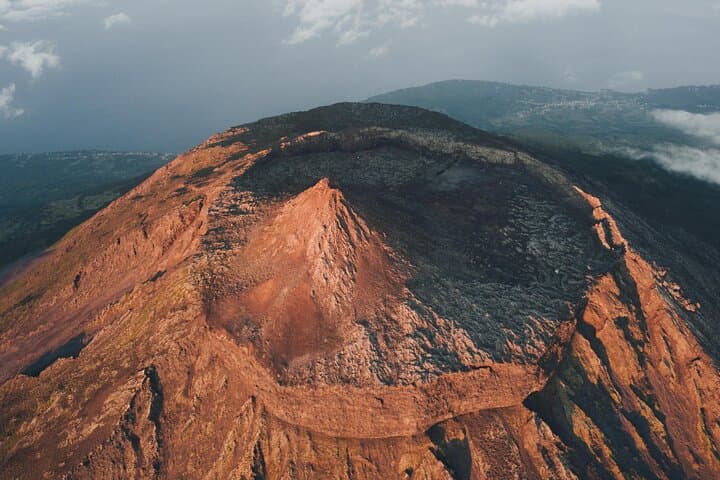
Before dawn breaks over the Azores, a small group gathers at the Mountain House, the gateway to Pico Natural Reserve. Your headlamp cuts through the darkness as you begin the ascent up Pico Mountain, Portugal’s tallest peak at 2,351 meters. The volcanic slopes stretch ahead, cool air moving quietly around you, alive with anticipation. As you move upward, the black basalt terrain seems to pulse with the mountain’s latent energy. Warm fumaroles whisper nearby, hinting at Pico’s volcanic heart—a mountain still breathing beneath your boots.
Verified experiences and guided adventures in the surrounding area.
Operated by GOclimb Azores · Madalena, Azores
Before dawn breaks over the Azores, a small group gathers at the Mountain House, the gateway to Pico Natural Reserve. Your headlamp cuts through the darkness as you begin the ascent up Pico Mountain, Portugal’s tallest peak at 2,351 meters. The volcanic slopes stretch ahead, cool air moving quietly around you, alive with anticipation. As you move upward, the black basalt terrain seems to pulse with the mountain’s latent energy. Warm fumaroles whisper nearby, hinting at Pico’s volcanic heart—a mountain still breathing beneath your boots.
This climb is both a physical challenge and a sensory immersion. The trail is steep and rugged, spanning approximately 7 kilometers round trip with an elevation gain of about 1,200 meters. Navigating loose volcanic rock and uneven paths, your guides—experts native to the island—keep the group steady and informed, sharing the geology and ecology unique to this mid-Atlantic volcano.
Pico’s past is carved into its landscape. Created by powerful eruptions millions of years ago, it dominates the island with stark contrasts: lifeless lava fields beside fertile vineyards that produce the renowned Pico Verdelho wine. Local culture embraces the mountain with reverence; it’s a symbol of endurance and identity for Pico Island residents.
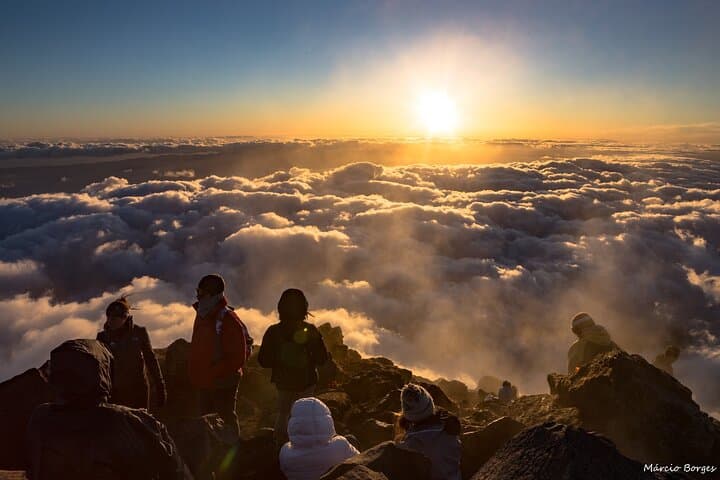
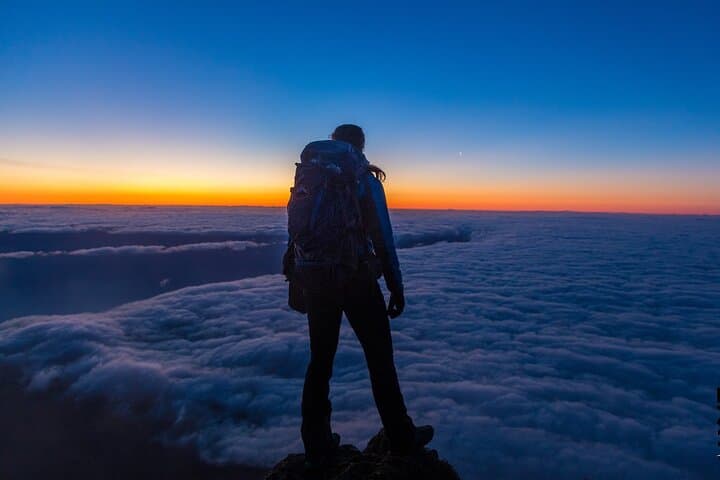
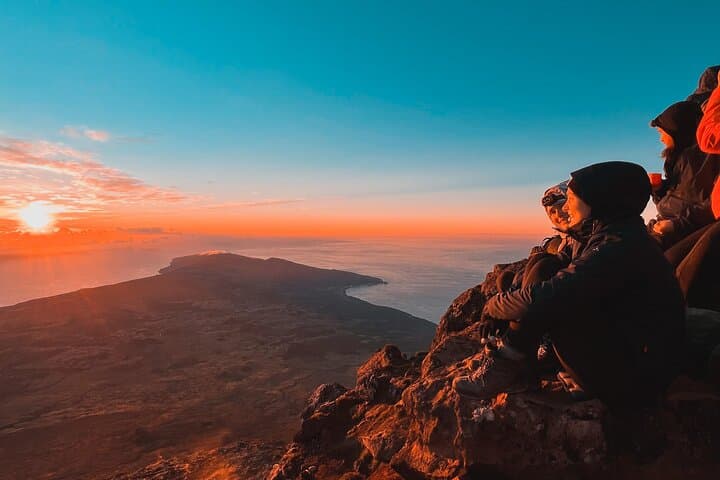
Reaching the summit just before sunrise rewards you with expansive views. Looking out over the neighboring archipelago, the early light washes the ocean and islands in hues of gold and rose. Sipping a warm coffee provided at the top, the chill of the night fades into the warmth of accomplishment.
Practically, this climb requires solid physical fitness and hiking experience on steep terrain. The guides provide trekking poles and headlamps, essential for safe night travel. Temperatures at the summit can drop sharply; layers and waterproof gear are recommended. The trek typically lasts about 5 to 6 hours round trip, starting late at night to reach the peak in time for sunrise.
For travelers headed to the Azores, Pico Mountain offers an unparalleled adventure in volcanic wilderness paired with cultural richness and spectacular ocean vistas. It’s a climb that challenges the body and awakens the senses, an essential encounter with one of Portugal’s most distinctive natural icons.
challenging.
5–6 hours.
Require high fitness level, comfortable with sustained uphill hiking on rough volcanic terrain
The trail ascends approximately 1,200 meters from the base to the summit over about 3.5 kilometers one way.
No technical skills are needed, but you should be comfortable with steep hiking and have good physical fitness.
Layered, moisture-wicking clothing with sturdy hiking boots is recommended; temperatures vary widely during the climb.
Yes, guides provide both poles and headlamps to all participants for safety and stability.
Yes, cancellations up to 24 hours before the climb are allowed for a full refund if weather conditions are unfavorable.
Group sizes are limited to 12 hikers per guide to ensure personalized attention and safety.
Pico Volcano formed over hundreds of thousands of years, shaping the island’s geography and local viticulture practices.
The Natural Reserve strictly manages visitor numbers to protect sensitive volcanic and endemic plant habitats on the mountain slopes.
GOclimb Azores operates guided outdoor trips and adventures with an emphasis on safety, stewardship, and memorable experiences.
Before dawn breaks over the Azores, a small group gathers at the Mountain House, the gateway to Pico Natural Reserve. Your headlamp cuts through the darkness as you begin the ascent up Pico Mountain, Portugal’s tallest peak at 2,351 meters. The volcanic slopes stretch ahead, cool air moving quietly around you, alive with anticipation. As you move upward, the black basalt terrain seems to pulse with the mountain’s latent energy. Warm fumaroles whisper nearby, hinting at Pico’s volcanic heart—a mountain still breathing beneath your boots.
Before dawn breaks over the Azores, a small group gathers at the Mountain House, the gateway to Pico Natural Reserve. Your headlamp cuts through the darkness as you begin the ascent up Pico Mountain, Portugal’s tallest peak at 2,351 meters. The volcanic slopes stretch ahead, cool air moving quietly around you, alive with anticipation. As you move upward, the black basalt terrain seems to pulse with the mountain’s latent energy. Warm fumaroles whisper nearby, hinting at Pico’s volcanic heart—a mountain still breathing beneath your boots.
This climb is both a physical challenge and a sensory immersion. The trail is steep and rugged, spanning approximately 7 kilometers round trip with an elevation gain of about 1,200 meters. Navigating loose volcanic rock and uneven paths, your guides—experts native to the island—keep the group steady and informed, sharing the geology and ecology unique to this mid-Atlantic volcano.
Pico’s past is carved into its landscape. Created by powerful eruptions millions of years ago, it dominates the island with stark contrasts: lifeless lava fields beside fertile vineyards that produce the renowned Pico Verdelho wine. Local culture embraces the mountain with reverence; it’s a symbol of endurance and identity for Pico Island residents.
Reaching the summit just before sunrise rewards you with expansive views. Looking out over the neighboring archipelago, the early light washes the ocean and islands in hues of gold and rose. Sipping a warm coffee provided at the top, the chill of the night fades into the warmth of accomplishment.
Practically, this climb requires solid physical fitness and hiking experience on steep terrain. The guides provide trekking poles and headlamps, essential for safe night travel. Temperatures at the summit can drop sharply; layers and waterproof gear are recommended. The trek typically lasts about 5 to 6 hours round trip, starting late at night to reach the peak in time for sunrise.
For travelers headed to the Azores, Pico Mountain offers an unparalleled adventure in volcanic wilderness paired with cultural richness and spectacular ocean vistas. It’s a climb that challenges the body and awakens the senses, an essential encounter with one of Portugal’s most distinctive natural icons.