THE ADVENTURE COLLECTIVE® · Independent discovery and booking for outdoor travel

Watch the pyramids wake from a camel’s back, then get up close with the Great Pyramid and Sphinx on a private six‑hour tour led by an Egyptologist. Early pickup, local breakfast, and the option to enter a pyramid make this a compact, immersive Giza experience.
Watch the pyramids wake from a camel’s back, then get up close with the Great Pyramid and Sphinx on a private six‑hour tour led by an Egyptologist. Early pickup, local breakfast, and the option to enter a pyramid make this a compact, immersive Giza experience.
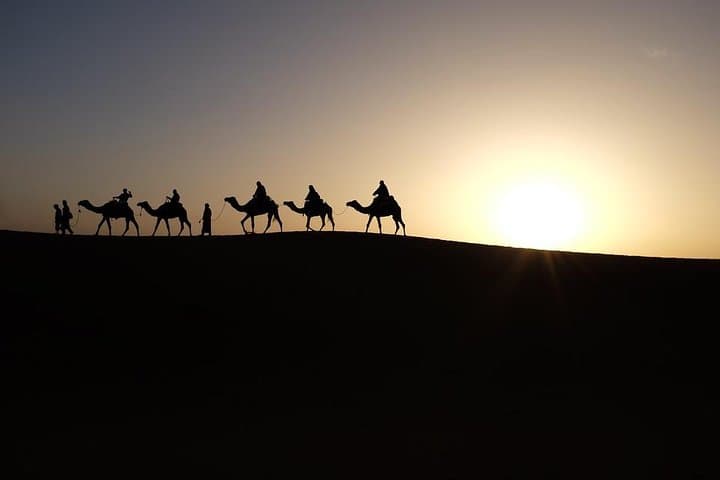
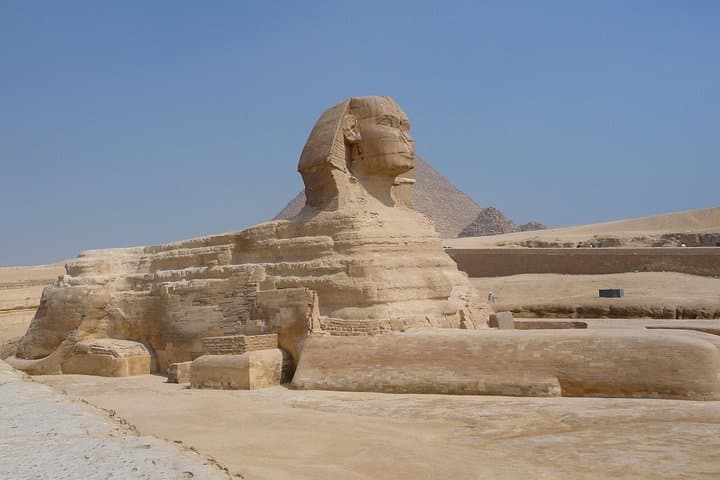
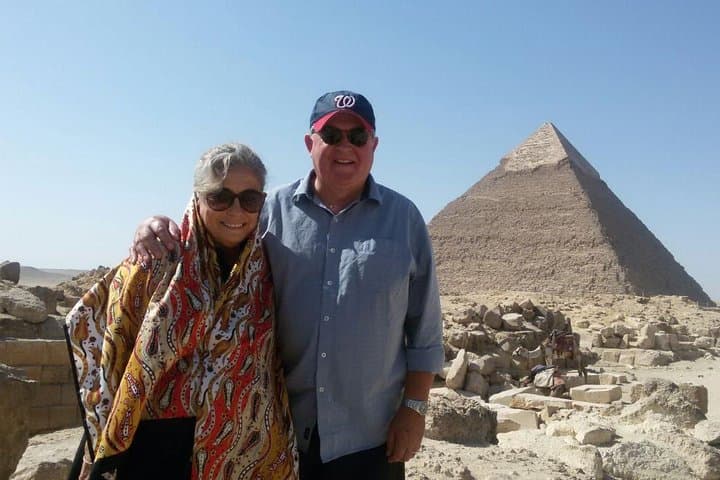
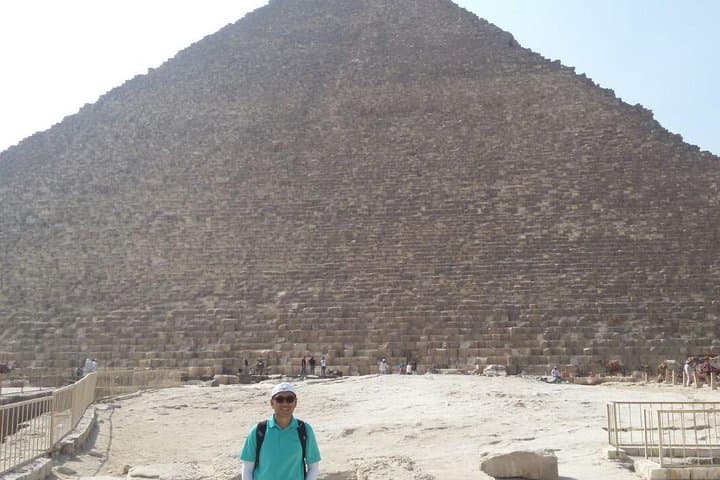
Before dawn a slow bruise of color lifts off the desert and the pyramids assert their geometry against the sky. Camels cut silhouettes across wind-scoured sand, and the air carries a faint scent of dust and frying falafel from a nearby village. On this private sunrise camel ride and Giza plateau tour, travelers see the Great Pyramid of Khufu first as light bleaches its faces, then later move closer to touch its weathered blocks and visit the Sphinx and Valley Temple.
Verified experiences and guided adventures in the surrounding area.
Operated by Egypt lovely holidays · Giza, Giza Governorate
Before dawn a slow bruise of color lifts off the desert and the pyramids assert their geometry against the sky. Camels cut silhouettes across wind-scoured sand, and the air carries a faint scent of dust and frying falafel from a nearby village. On this private sunrise camel ride and Giza plateau tour, travelers see the Great Pyramid of Khufu first as light bleaches its faces, then later move closer to touch its weathered blocks and visit the Sphinx and Valley Temple.
The monuments date to Egypt’s Old Kingdom (around 4,500 years ago). The pyramids sit on a limestone plateau shaped by marine deposits and later wind erosion; the Sphinx is carved from a single limestone outcrop and shows layers of repair from successive eras. A licensed Egyptologist guide will weave archaeology and local culture—why funerary complexes face specific cardinal points, and how modern Cairo grew toward these ancient markers.
Practically: the tour runs about six hours and begins before sunrise, so expect early pickup and low light for photos at first. The camel segment is short but uneven; moderate fitness helps. Entry to the interior of some pyramids is possible but limited and sometimes requires additional onsite tickets; ask your guide ahead of time. Dress conservatively and in layers—mornings are cool, midday can be hot. Bring a sun hat, sturdy closed-toe shoes, cash for small purchases and tips, and a fully charged camera.
Respect barriers and local signage; the plateau remains a working heritage site, so minimal-impact behavior preserves the stones for the next visitor.
moderate.
6 hours.
Moderate fitness for short camel ride and walking on uneven desert terrain; able to manage stairs if entering a pyramid.
Interior access is sometimes allowed but limited and subject to additional fees and regulations; confirm availability with the operator before your tour.
Short, guided camel rides are generally family‑friendly but children should be supervised and meet any age or weight guidelines set by the operator.
Typical inclusions are hotel pickup/drop‑off, bottled water, a private Egyptologist guide, transport, and a local breakfast or lunch—verify specifics on booking confirmation.
Wear modest, breathable clothing that covers shoulders and knees out of respect for local customs, plus layers for cool mornings and a hat for sun protection.
The Giza pyramids are royal tombs from Egypt’s Fourth Dynasty; Khufu’s Great Pyramid was the tallest structure on Earth for millennia and remains the largest ancient tomb.
The plateau faces pressure from air pollution, tourism wear, and urban encroachment; visitors should follow marked paths and avoid touching fragile surfaces to reduce impact.
Egypt lovely holidays operates guided outdoor trips and adventures with an emphasis on safety, stewardship, and memorable experiences.
Before dawn a slow bruise of color lifts off the desert and the pyramids assert their geometry against the sky. Camels cut silhouettes across wind-scoured sand, and the air carries a faint scent of dust and frying falafel from a nearby village. On this private sunrise camel ride and Giza plateau tour, travelers see the Great Pyramid of Khufu first as light bleaches its faces, then later move closer to touch its weathered blocks and visit the Sphinx and Valley Temple.
Before dawn a slow bruise of color lifts off the desert and the pyramids assert their geometry against the sky. Camels cut silhouettes across wind-scoured sand, and the air carries a faint scent of dust and frying falafel from a nearby village. On this private sunrise camel ride and Giza plateau tour, travelers see the Great Pyramid of Khufu first as light bleaches its faces, then later move closer to touch its weathered blocks and visit the Sphinx and Valley Temple.
The monuments date to Egypt’s Old Kingdom (around 4,500 years ago). The pyramids sit on a limestone plateau shaped by marine deposits and later wind erosion; the Sphinx is carved from a single limestone outcrop and shows layers of repair from successive eras. A licensed Egyptologist guide will weave archaeology and local culture—why funerary complexes face specific cardinal points, and how modern Cairo grew toward these ancient markers.
Practically: the tour runs about six hours and begins before sunrise, so expect early pickup and low light for photos at first. The camel segment is short but uneven; moderate fitness helps. Entry to the interior of some pyramids is possible but limited and sometimes requires additional onsite tickets; ask your guide ahead of time. Dress conservatively and in layers—mornings are cool, midday can be hot. Bring a sun hat, sturdy closed-toe shoes, cash for small purchases and tips, and a fully charged camera.
Respect barriers and local signage; the plateau remains a working heritage site, so minimal-impact behavior preserves the stones for the next visitor.