THE ADVENTURE COLLECTIVE® · Independent discovery and booking for outdoor travel

Ride a dromedary up Erg Chebbi’s high ridgelines and catch a sunrise that turns sand into a moving landscape of color. This 2–3 hour Merzouga experience blends local desert skills, easy riding, and unforgettable light for early-morning adventurers.
Ride a dromedary up Erg Chebbi’s high ridgelines and catch a sunrise that turns sand into a moving landscape of color. This 2–3 hour Merzouga experience blends local desert skills, easy riding, and unforgettable light for early-morning adventurers.
Before dawn the dunes of Erg Chebbi are an orchestra of light and shadow: amber ridges roll away under a sky that goes from ink to pale apricot. Riders meet their dromedaries at the desert edge, swap the village chatter for the rhythmic step of a camel and climb toward the highest crest to watch the sun pry color from the sand.
Verified experiences and guided adventures in the surrounding area.
Operated by Merzouga Desert · Merzouga, Drâa-Tafilalet
Before dawn the dunes of Erg Chebbi are an orchestra of light and shadow: amber ridges roll away under a sky that goes from ink to pale apricot. Riders meet their dromedaries at the desert edge, swap the village chatter for the rhythmic step of a camel and climb toward the highest crest to watch the sun pry color from the sand.
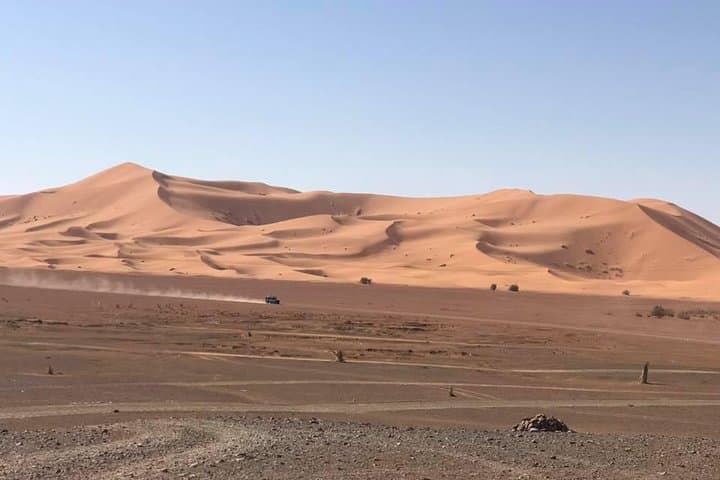
Erg Chebbi is a young, active dune field formed by wind-deposited Saharan sands pushed against the Atlas foothills. The area around Merzouga has been a crossroads for nomadic Amazigh (Berber) communities and caravan routes for centuries; many local guides descend from families who read the dunes like a map. Cultural notes include simple desert camp life, tea rituals, and the practical skills of camel handling that locals still teach.
Expect a slow, steady two-hour ride with frequent rests to adjust saddles and take in the light. Terrain is soft sand with sudden slopes; camels handle it but riders should brace for sways when ascending ridgelines. Morning temperatures can be crisp, while daytime heats quickly once the sun clears the horizon.
Practical guidance: wear closed-toe shoes and long sleeves to protect from sand and sun, bring at least 1–1.5 L of water, and secure loose items against wind. Travelers with recent back, heart, or pregnancy concerns should avoid this activity. Book a sunrise slot for the best light and quieter dunes, and allow time for a relaxed return to Merzouga village for breakfast or onward travel.
easy.
2–3 hours.
Light fitness; able to mount/dismount an animal and sit for up to two hours. Not suitable for those with back or serious heart conditions.
The advertised experience lasts about 2–3 hours total, with roughly 45–90 minutes of riding depending on the pace and stops for sunrise views.
Children can join but must be supervised; infants are usually required to sit on an adult’s lap and operators may limit bookings by age and weight.
Yes—local guides who grew up in the region lead the ride, handle the camels, and point out landmarks and cultural notes along the way.
Tours commonly cancel for severe weather; check the operator’s 24-hour cancellation policy for refunds or rescheduling.
Merzouga sits on historical caravan routes used by Amazigh traders moving salt and goods between the Sahara and Moroccan interior; camel culture remains part of local identity.
Dune ecosystems are easily disturbed—stick to established paths, avoid littering, and choose operators that minimize motorized traffic across fragile dune faces.
Merzouga Desert operates guided outdoor trips and adventures with an emphasis on safety, stewardship, and memorable experiences.
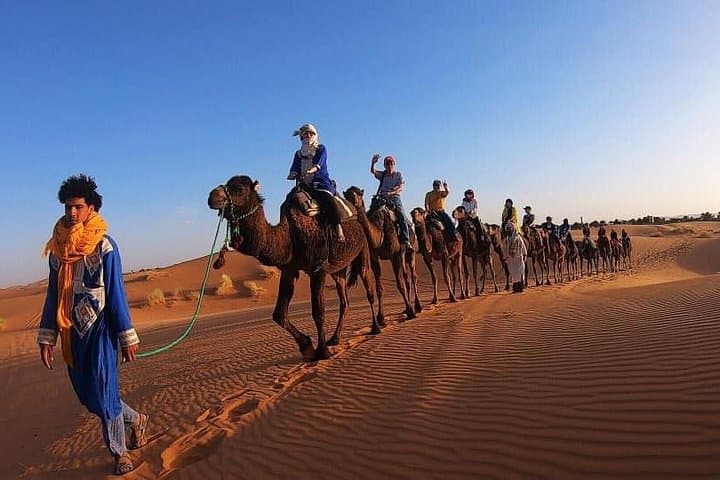
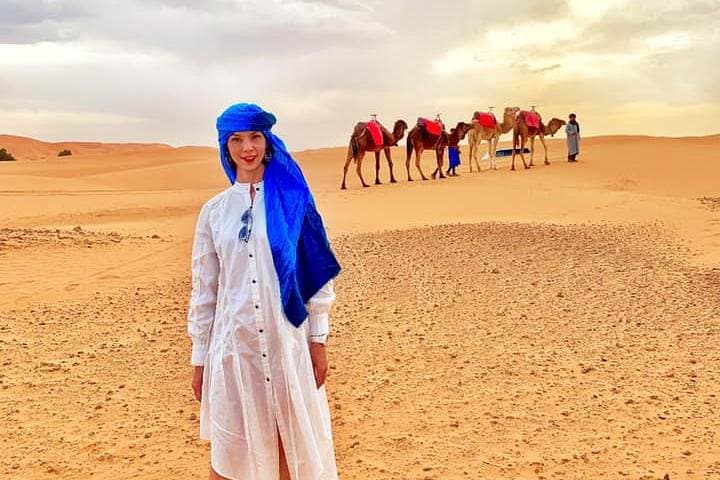
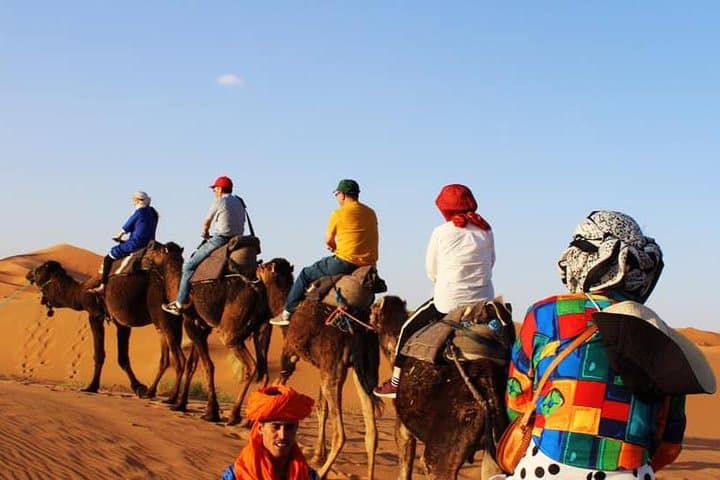
Before dawn the dunes of Erg Chebbi are an orchestra of light and shadow: amber ridges roll away under a sky that goes from ink to pale apricot. Riders meet their dromedaries at the desert edge, swap the village chatter for the rhythmic step of a camel and climb toward the highest crest to watch the sun pry color from the sand.
Before dawn the dunes of Erg Chebbi are an orchestra of light and shadow: amber ridges roll away under a sky that goes from ink to pale apricot. Riders meet their dromedaries at the desert edge, swap the village chatter for the rhythmic step of a camel and climb toward the highest crest to watch the sun pry color from the sand.
Erg Chebbi is a young, active dune field formed by wind-deposited Saharan sands pushed against the Atlas foothills. The area around Merzouga has been a crossroads for nomadic Amazigh (Berber) communities and caravan routes for centuries; many local guides descend from families who read the dunes like a map. Cultural notes include simple desert camp life, tea rituals, and the practical skills of camel handling that locals still teach.
Expect a slow, steady two-hour ride with frequent rests to adjust saddles and take in the light. Terrain is soft sand with sudden slopes; camels handle it but riders should brace for sways when ascending ridgelines. Morning temperatures can be crisp, while daytime heats quickly once the sun clears the horizon.
Practical guidance: wear closed-toe shoes and long sleeves to protect from sand and sun, bring at least 1–1.5 L of water, and secure loose items against wind. Travelers with recent back, heart, or pregnancy concerns should avoid this activity. Book a sunrise slot for the best light and quieter dunes, and allow time for a relaxed return to Merzouga village for breakfast or onward travel.