THE ADVENTURE COLLECTIVE® · Independent discovery and booking for outdoor travel

Watch the pyramids wake from the back of a camel as sunrise spills across the Giza Plateau. This private sunrise camel ride pairs quiet desert light with close-up views of ancient monuments and local storytelling.
Watch the pyramids wake from the back of a camel as sunrise spills across the Giza Plateau. This private sunrise camel ride pairs quiet desert light with close-up views of ancient monuments and local storytelling.
You arrive before the city wakes: the horizon is a strip of pale gold, and the three great stones of Giza stand like points on a map of time. A caravan of camels pads across cooling sand, the animals swaying with an economy that tames the wide silence. At sunrise the pyramids throw long, clean shadows; the air smells faintly of dust, tea, and diesel from the ring road — modern life rubbing shoulders with four millennia of funerary architecture.
Verified experiences and guided adventures in the surrounding area.
Operated by Egypt Day Tours · Giza, Giza Governorate
You arrive before the city wakes: the horizon is a strip of pale gold, and the three great stones of Giza stand like points on a map of time. A caravan of camels pads across cooling sand, the animals swaying with an economy that tames the wide silence. At sunrise the pyramids throw long, clean shadows; the air smells faintly of dust, tea, and diesel from the ring road — modern life rubbing shoulders with four millennia of funerary architecture.
The Giza Plateau is part geology and part human ambition. The pyramids date to Egypt’s Fourth Dynasty (around 2600–2500 BCE), quarried from local limestone and faced originally with polished Tura casing stones that once made them shine. The landscape is flat desert interrupted by rocky outcrops and the occasional scrub; human presence here ranges from modern Bedouin camel handlers to state-run conservation teams.
Expect a gentle, low-impact adventure: this private sunrise tour pairs a short camel ride with panoramic stops for photos and local commentary. Terrain is sandy and uneven with minimal elevation; paths are informal. Bring layered clothing against morning chill, sun protection for when the light hardens, and a readiness to negotiate with handlers for photos and tipping.
Practical notes: tours generally include hotel pickup and bottled water, last about 3–4 hours, and require a moderate fitness level for mounting and dismounting. Respect signage: climbing the pyramids is illegal and damages fragile stone. Arrive early to avoid buses, listen to your guide about safe spots for landing shots, and take a moment to let the desert light settle — the place rewards quiet attention.
easy.
3–4 hours.
Moderate — able to mount/dismount a camel and walk short sandy stretches
Most operators include round-trip hotel pickup in Cairo or Giza; confirm your pickup point when booking.
Infants may ride but must sit on an adult’s lap; check the operator’s policy and request appropriate safety measures.
This short sunrise camel ride often focuses on panoramic viewpoints; admissions to inner pyramid chambers are usually not included and require separate tickets.
No — climbing the pyramids is illegal and dangerous; follow posted rules and your guide’s instructions to protect the monuments and yourself.
The Giza monuments were built during Egypt’s Old Kingdom (4th Dynasty) as royal tombs and aligned with astronomical and funerary beliefs.
High foot traffic and informal trails stress the fragile stones and desert crust; stick to marked paths, avoid littering, and follow guide advice to minimize impact.
Egypt Day Tours operates guided outdoor trips and adventures with an emphasis on safety, stewardship, and memorable experiences.
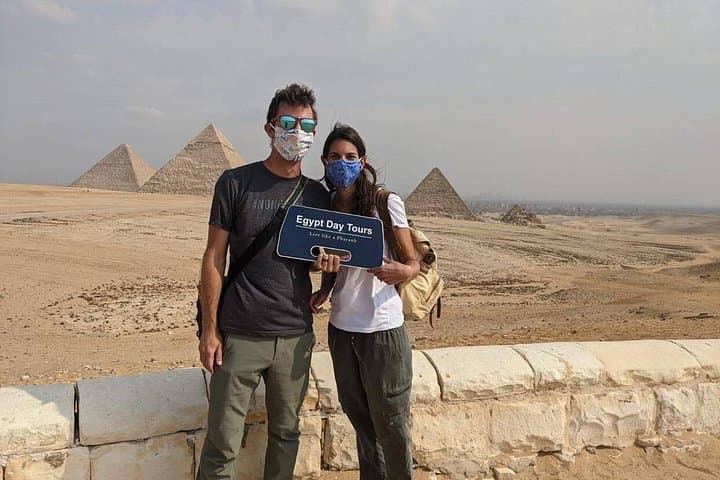
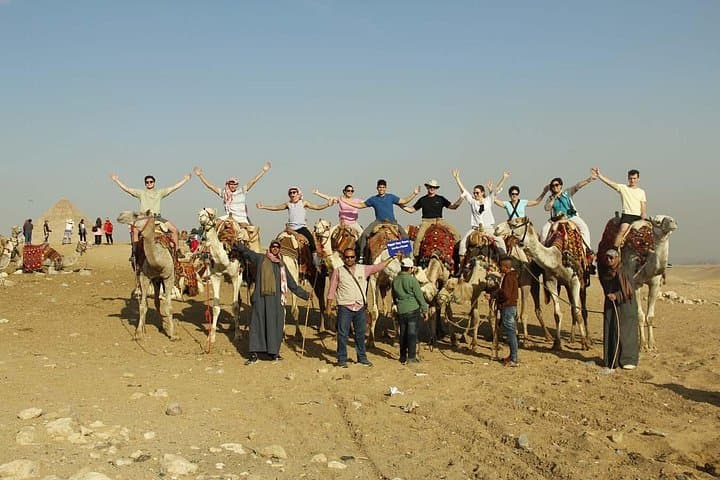
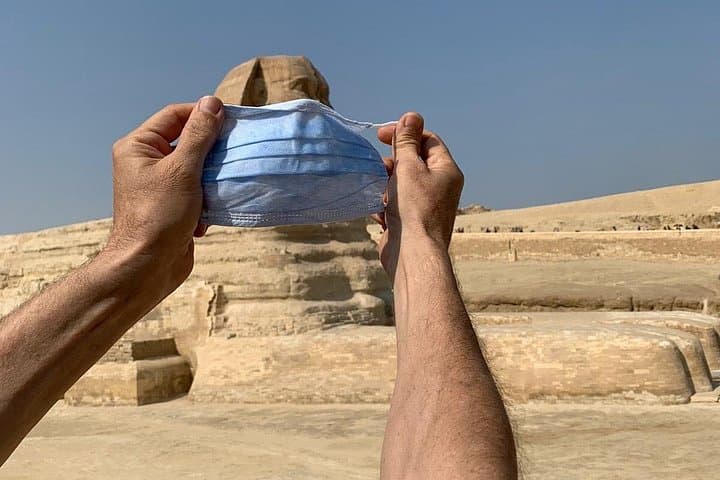
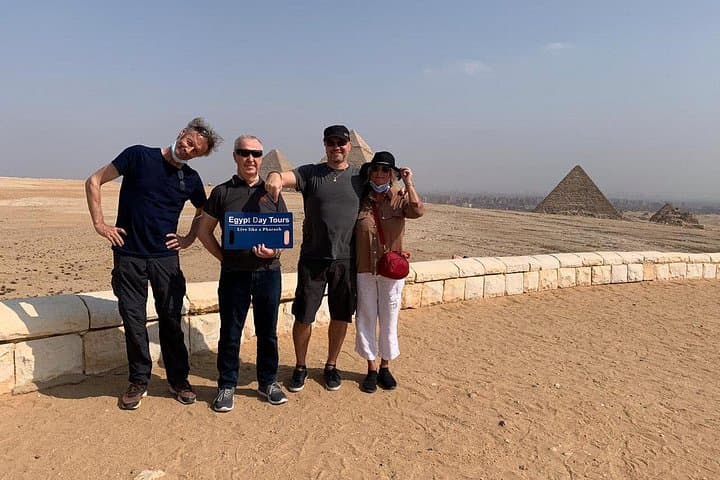
You arrive before the city wakes: the horizon is a strip of pale gold, and the three great stones of Giza stand like points on a map of time. A caravan of camels pads across cooling sand, the animals swaying with an economy that tames the wide silence. At sunrise the pyramids throw long, clean shadows; the air smells faintly of dust, tea, and diesel from the ring road — modern life rubbing shoulders with four millennia of funerary architecture.
You arrive before the city wakes: the horizon is a strip of pale gold, and the three great stones of Giza stand like points on a map of time. A caravan of camels pads across cooling sand, the animals swaying with an economy that tames the wide silence. At sunrise the pyramids throw long, clean shadows; the air smells faintly of dust, tea, and diesel from the ring road — modern life rubbing shoulders with four millennia of funerary architecture.
The Giza Plateau is part geology and part human ambition. The pyramids date to Egypt’s Fourth Dynasty (around 2600–2500 BCE), quarried from local limestone and faced originally with polished Tura casing stones that once made them shine. The landscape is flat desert interrupted by rocky outcrops and the occasional scrub; human presence here ranges from modern Bedouin camel handlers to state-run conservation teams.
Expect a gentle, low-impact adventure: this private sunrise tour pairs a short camel ride with panoramic stops for photos and local commentary. Terrain is sandy and uneven with minimal elevation; paths are informal. Bring layered clothing against morning chill, sun protection for when the light hardens, and a readiness to negotiate with handlers for photos and tipping.
Practical notes: tours generally include hotel pickup and bottled water, last about 3–4 hours, and require a moderate fitness level for mounting and dismounting. Respect signage: climbing the pyramids is illegal and damages fragile stone. Arrive early to avoid buses, listen to your guide about safe spots for landing shots, and take a moment to let the desert light settle — the place rewards quiet attention.