THE ADVENTURE COLLECTIVE® · Independent discovery and booking for outdoor travel

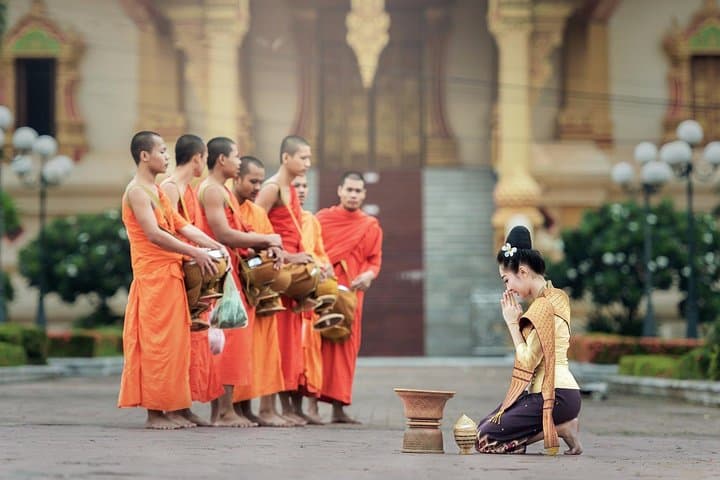
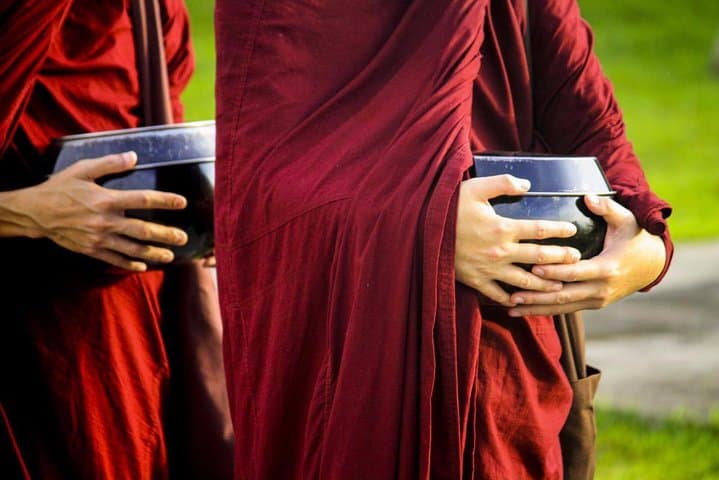
Wake before dawn to participate in an age-old alms ritual and watch a famous Chiang Mai temple catch the first light. This 3-hour guided walk combines panoramic views, monk chanting, and culturally respectful offerings.
Wake before dawn to participate in an age-old alms ritual and watch a famous Chiang Mai temple catch the first light. This 3-hour guided walk combines panoramic views, monk chanting, and culturally respectful offerings.
Before dawn the trail climbs into cool mountain air and the city below blinks out into a grid of orange lights. You move with purpose—soft steps, a small offering tucked into your hands—as the monastery ahead brightens against the sky. The climb and the chant synchronize, and the temple’s gilded roof captures first light, the city’s walls and rice plains stretching away like a slow-breathing map.
Verified experiences and guided adventures in the surrounding area.
Operated by Sightseeing Chiang Mai · Chiang Mai, Chiang Mai
Before dawn the trail climbs into cool mountain air and the city below blinks out into a grid of orange lights. You move with purpose—soft steps, a small offering tucked into your hands—as the monastery ahead brightens against the sky. The climb and the chant synchronize, and the temple’s gilded roof captures first light, the city’s walls and rice plains stretching away like a slow-breathing map.
The route leads to one of Chiang Mai’s most famous temples, established by the Lanna Kingdom in the 14th century and sited on a granite outcrop that watches over the valley. The hill itself is part of a forested escarpment; volcanic and metamorphic rocks form terraces and trails that channel cool air down into the old city. Morning rituals here are both civic and spiritual—alms-giving connects locals and monks, chanting marks the rhythm of the day, and a decorated chedi draws the eye to centuries of religious practice.
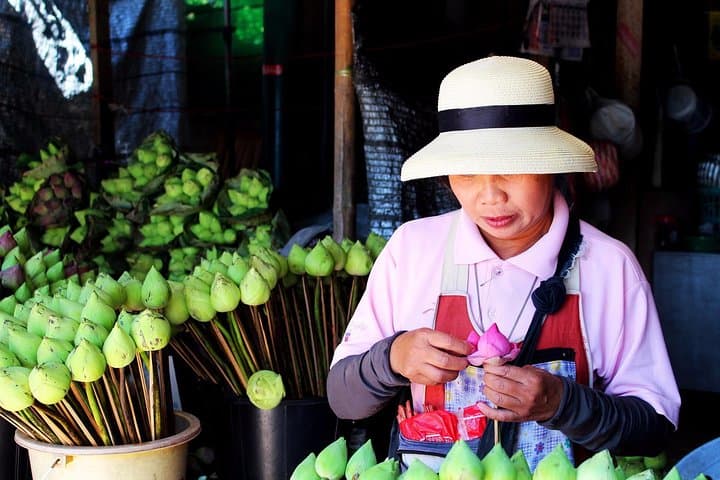
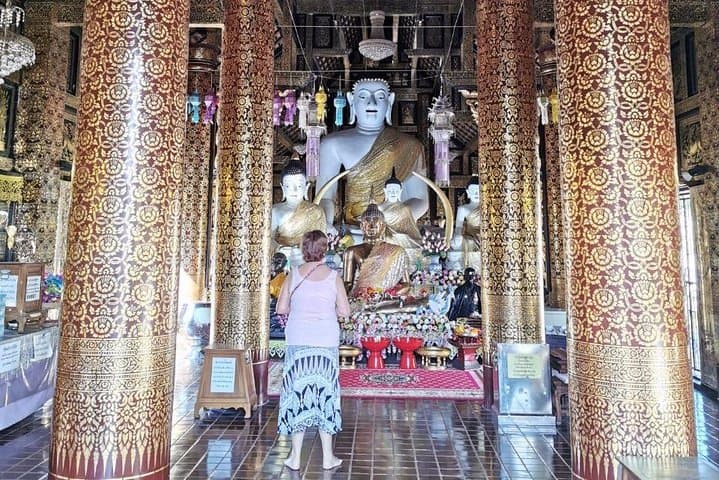
Practical matters matter: arrive before civil twilight for the best light and smaller crowds, dress with covered shoulders and knees for respect, and keep offerings small—fruit and folded flowers are customary. Steps can be steep and uneven; wear comfortable, grippy shoes and bring water for the three-hour experience. Photography is welcomed but deferential—silence during chants, no flash in sacred interiors. Guides explain the symbolism of statues, the Inthakhin pillar, and rules that vary by shrine, and they help you navigate access restrictions for certain areas. Finish the walk with a slow descent as the city wakes: the smell of incense, the peal of bells, and a sense that you’ve observed a living tradition while standing on the ridge between nature and culture.
easy.
3 hours.
Suitable for most fitness levels; requires walking uphill on paved and stone steps but no technical climbing.
No—vendors near the temple sell suitable fruit and flower bundles, but bringing small offerings is common and optional.
Some shrines have traditional rules—for example, certain inner sanctums may restrict entry by women—so follow your guide’s instructions and posted signs.
Book in advance if you want a guided slot; arrive 30–45 minutes before sunrise to avoid crowds and get good photos without disrupting rituals.
Many operators offer pickup; if not, public and private transport options can reach the temple base—confirm pickup points on your booking form.
The temple complex dates to the Lanna period (14th–15th centuries) and was long a focal point for regional religious authority and pilgrimage.
Visitor pressure is managed through timed access and local guides; stay on paths, avoid single-use plastics, and respect offerings to minimize impact.
Sightseeing Chiang Mai operates guided outdoor trips and adventures with an emphasis on safety, stewardship, and memorable experiences.
Before dawn the trail climbs into cool mountain air and the city below blinks out into a grid of orange lights. You move with purpose—soft steps, a small offering tucked into your hands—as the monastery ahead brightens against the sky. The climb and the chant synchronize, and the temple’s gilded roof captures first light, the city’s walls and rice plains stretching away like a slow-breathing map.
Before dawn the trail climbs into cool mountain air and the city below blinks out into a grid of orange lights. You move with purpose—soft steps, a small offering tucked into your hands—as the monastery ahead brightens against the sky. The climb and the chant synchronize, and the temple’s gilded roof captures first light, the city’s walls and rice plains stretching away like a slow-breathing map.
The route leads to one of Chiang Mai’s most famous temples, established by the Lanna Kingdom in the 14th century and sited on a granite outcrop that watches over the valley. The hill itself is part of a forested escarpment; volcanic and metamorphic rocks form terraces and trails that channel cool air down into the old city. Morning rituals here are both civic and spiritual—alms-giving connects locals and monks, chanting marks the rhythm of the day, and a decorated chedi draws the eye to centuries of religious practice.
Practical matters matter: arrive before civil twilight for the best light and smaller crowds, dress with covered shoulders and knees for respect, and keep offerings small—fruit and folded flowers are customary. Steps can be steep and uneven; wear comfortable, grippy shoes and bring water for the three-hour experience. Photography is welcomed but deferential—silence during chants, no flash in sacred interiors. Guides explain the symbolism of statues, the Inthakhin pillar, and rules that vary by shrine, and they help you navigate access restrictions for certain areas. Finish the walk with a slow descent as the city wakes: the smell of incense, the peal of bells, and a sense that you’ve observed a living tradition while standing on the ridge between nature and culture.