THE ADVENTURE COLLECTIVE® · Independent discovery and booking for outdoor travel

Catch sunrise over Wat Phra That Doi Suthep by tuk‑tuk on this small‑group morning tour. Early pickup, a short climb and a chance to witness temple rituals combine with sweeping views over Chiang Mai.
Catch sunrise over Wat Phra That Doi Suthep by tuk‑tuk on this small‑group morning tour. Early pickup, a short climb and a chance to witness temple rituals combine with sweeping views over Chiang Mai.
Before dawn the hill exhales: stars fade, temple roofs pick up the first cold light, and the road up Doi Suthep tightens into a ribbon. A small group climbs into a red tuk‑tuk and chases the rising sun toward Wat Phra That Doi Suthep—an early morning ritual that turns the mountain into a theater of gold and shadow.
Verified experiences and guided adventures in the surrounding area.
Operated by Sightseeing Chiang Mai · Chiang Mai, Chiang Mai Province
Before dawn the hill exhales: stars fade, temple roofs pick up the first cold light, and the road up Doi Suthep tightens into a ribbon. A small group climbs into a red tuk‑tuk and chases the rising sun toward Wat Phra That Doi Suthep—an early morning ritual that turns the mountain into a theater of gold and shadow.
The temple dates to the 14th century and houses a revered Buddha relic; it sits on forested slopes that are part of the Thanon Thong Chai range. Geologically the ridge is older metamorphic and granitic rock, carved by seasonal monsoon patterns that feed spring cascades lower on the mountain. Culturally, the visit is as much about paying respects as it is about view: monks chant, devotees offer flowers, and the temple’s Naga‑lined stairway is a steady stream of local life and quiet ceremony.
Practical notes: tours typically start pre‑dawn with hotel pickup, run about four hours, and include admission. The climb to the main chedi includes steps—respectful, modest clothing is required, and footwear should be easy to remove for shrine areas. Expect cool air at sunrise; the tuk‑tuk ride minimizes walking but roads are steep and can be slick in rain. Bring water, a lightweight jacket, and small change for donations and incidentals. Keep distance from macaques and avoid feeding wildlife. Aim to arrive early in the low light to catch the blessing, watch the city unfold below, and leave time to wander the terrace views before descending while the day warms.
easy.
4 hours.
Suitable for most fitness levels; involves short stair climbs and standing during temple visits.
Pickups are typically before dawn—around 4:00–5:00 a.m.—to reach the viewpoint in time for sunrise and the morning blessing.
There are several hundred steps along the Naga stairway, but many visitors use the road or a tram where available; the tour minimizes strenuous hiking.
Most organized tours include standard admission; confirm with your operator for any optional extras like shrine donations.
Yes—this small‑group tour accommodates families, but infants should sit on an adult’s lap and parents should monitor stair sections and wildlife.
Wat Phra That Doi Suthep was established in the 14th century and remains a major religious site, built to house a relic of the Buddha and serve as a spiritual beacon for Chiang Mai.
Visitor pressure can strain paths and wildlife; stick to marked routes, avoid feeding animals, and use refillable bottles to reduce plastic waste.
Sightseeing Chiang Mai operates guided outdoor trips and adventures with an emphasis on safety, stewardship, and memorable experiences.
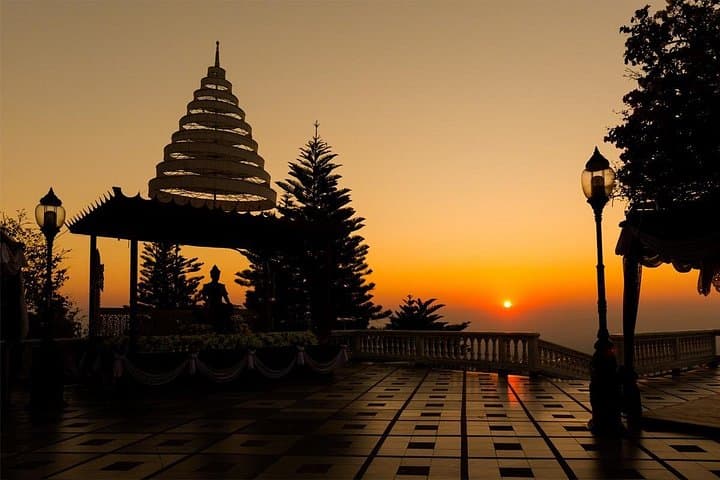
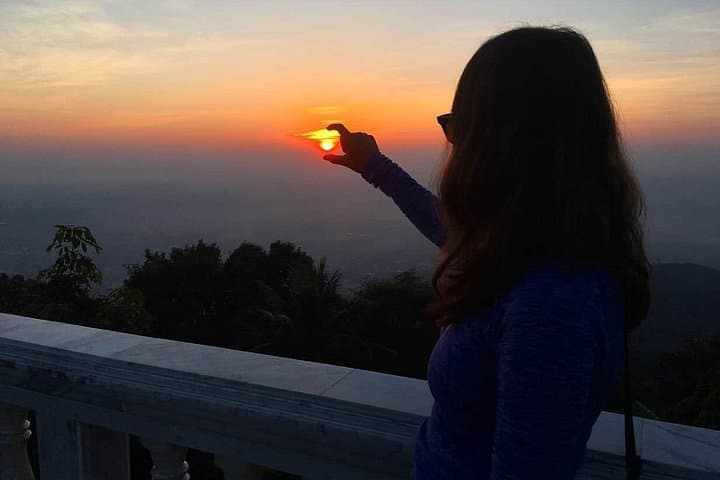
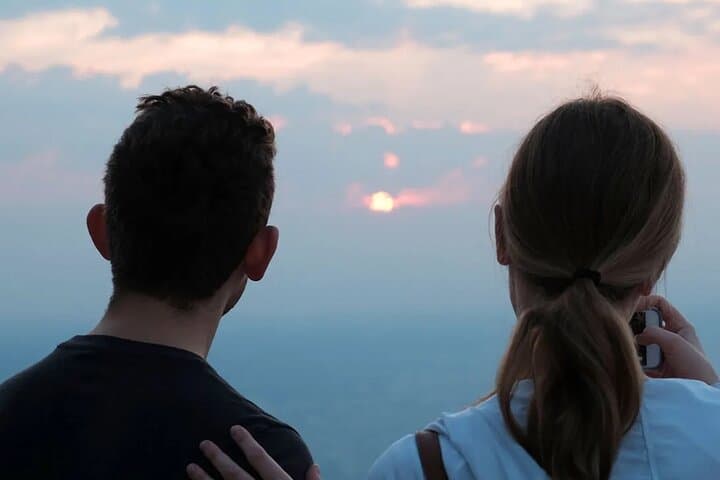
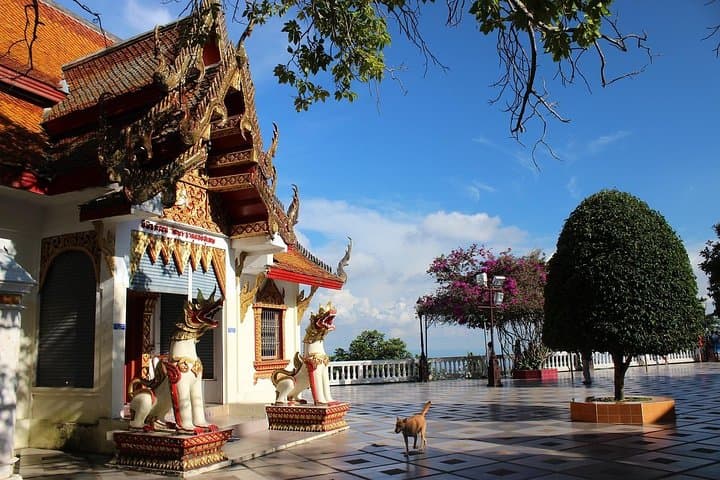
Before dawn the hill exhales: stars fade, temple roofs pick up the first cold light, and the road up Doi Suthep tightens into a ribbon. A small group climbs into a red tuk‑tuk and chases the rising sun toward Wat Phra That Doi Suthep—an early morning ritual that turns the mountain into a theater of gold and shadow.
Before dawn the hill exhales: stars fade, temple roofs pick up the first cold light, and the road up Doi Suthep tightens into a ribbon. A small group climbs into a red tuk‑tuk and chases the rising sun toward Wat Phra That Doi Suthep—an early morning ritual that turns the mountain into a theater of gold and shadow.
The temple dates to the 14th century and houses a revered Buddha relic; it sits on forested slopes that are part of the Thanon Thong Chai range. Geologically the ridge is older metamorphic and granitic rock, carved by seasonal monsoon patterns that feed spring cascades lower on the mountain. Culturally, the visit is as much about paying respects as it is about view: monks chant, devotees offer flowers, and the temple’s Naga‑lined stairway is a steady stream of local life and quiet ceremony.
Practical notes: tours typically start pre‑dawn with hotel pickup, run about four hours, and include admission. The climb to the main chedi includes steps—respectful, modest clothing is required, and footwear should be easy to remove for shrine areas. Expect cool air at sunrise; the tuk‑tuk ride minimizes walking but roads are steep and can be slick in rain. Bring water, a lightweight jacket, and small change for donations and incidentals. Keep distance from macaques and avoid feeding wildlife. Aim to arrive early in the low light to catch the blessing, watch the city unfold below, and leave time to wander the terrace views before descending while the day warms.