THE ADVENTURE COLLECTIVE® · Independent discovery and booking for outdoor travel

Rise with the sun over Luxor in a hot air balloon, then cross centuries on foot through the Valley of the Kings and Karnak. This full‑day private trip from Hurghada pairs aerial views with guided tomb visits and a relaxed Nile felucca lunch.
Rise with the sun over Luxor in a hot air balloon, then cross centuries on foot through the Valley of the Kings and Karnak. This full‑day private trip from Hurghada pairs aerial views with guided tomb visits and a relaxed Nile felucca lunch.
Dawn over the West Bank spreads a thin, molten light as the balloon narrows the distance between sky and sand.
You lift quietly above fields and the slow curve of the Nile, the valley below waking in terraces of palm and mud-brick villages; the desert cliffs that guard the royal necropolis turn from brown to burnished amber.
Verified experiences and guided adventures in the surrounding area.
Operated by EgyptSunriseTours · Luxor, Luxor Governorate
Dawn over the West Bank spreads a thin, molten light as the balloon narrows the distance between sky and sand.
You lift quietly above fields and the slow curve of the Nile, the valley below waking in terraces of palm and mud-brick villages; the desert cliffs that guard the royal necropolis turn from brown to burnished amber.
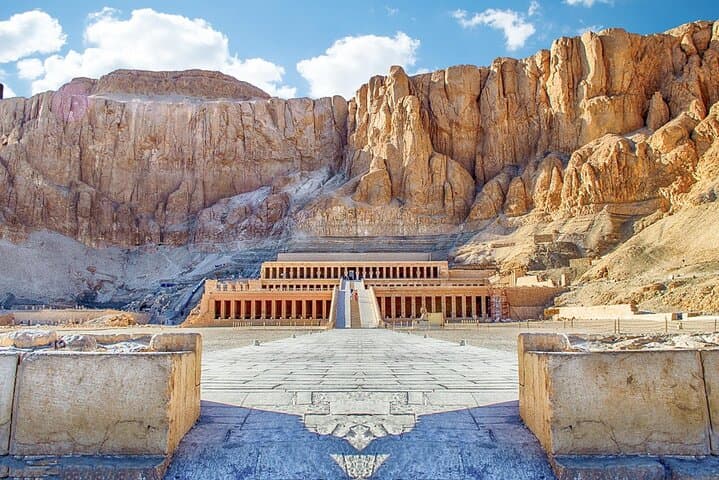
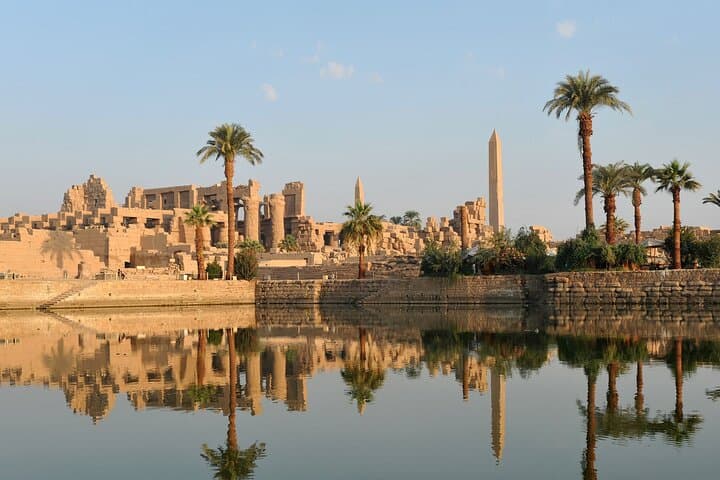
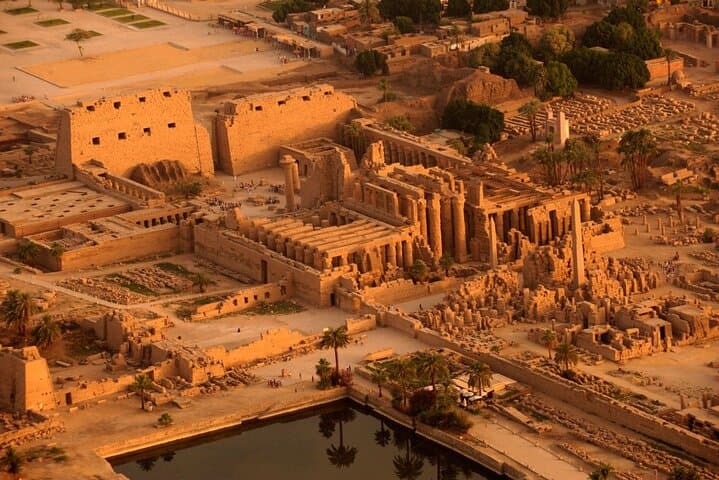
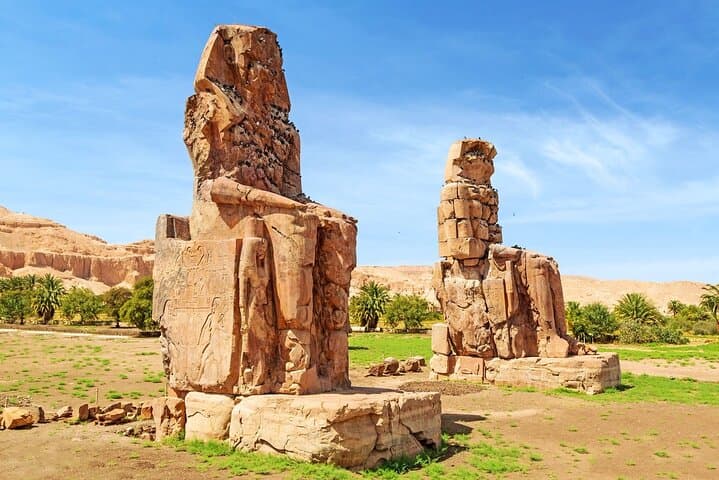
Luxor’s landscape is a living axis of history — pharaonic tombs cut into limestone, the colossi carved from quarried blocks, and the Karnak complex that grew over a millennium. The Valley of the Kings sits at the foot of layered cliffs shaped by ancient rivers and wind; Hatshepsut’s temple rises like an engineered terrace against stratified rock. Local culture remains tied to the river: feluccas drift and fishermen repair nets while markets hum with spice and date vendors.
Practically, expect a very long but low‑impact day: early pickup from Hurghada, roughly 3.5–4 hours each way by air-conditioned vehicle, a pre‑dawn balloon launch, guided tomb visits (some with steep steps), a riverside lunch on a felucca, and a late return. Hydration and sun protection are essential; wear comfortable walking shoes for uneven stone surfaces and bring a light layer for the cool morning altitude of the balloon.
Timing and weather govern the balloon; flights operate at first light for the calmest air. Bring passport details for site admissions and leave room for flexible pacing — Luxor rewards slow, observant travel as much as the grand photo moments.
easy.
14–16 hours.
Suitable for travelers who can stand and walk for several hours with occasional steps; not physically strenuous.
Expect roughly 3.5–4 hours each way by air-conditioned vehicle, depending on traffic and stops.
Many operators accept a broad age range but check weight/age limits and mobility needs; the basket entry can require a short step.
Comfortable shoes, a hat, water, and modest clothing covering shoulders and knees; photography rules vary by tomb so follow your guide.
This private full‑day tour typically includes lunch and most admissions as listed; confirm specific ticket inclusions with the operator at booking.
Luxor stands on the ancient city of Thebes, the political and religious heart of Middle and New Kingdom Egypt, with monuments built over many pharaonic dynasties.
High visitor numbers stress fragile tomb pigments and temple stone; follow guide rules, avoid touching reliefs, and use sunscreen that won’t flake onto surfaces.
EgyptSunriseTours operates guided outdoor trips and adventures with an emphasis on safety, stewardship, and memorable experiences.
Dawn over the West Bank spreads a thin, molten light as the balloon narrows the distance between sky and sand.
You lift quietly above fields and the slow curve of the Nile, the valley below waking in terraces of palm and mud-brick villages; the desert cliffs that guard the royal necropolis turn from brown to burnished amber.
Dawn over the West Bank spreads a thin, molten light as the balloon narrows the distance between sky and sand.
You lift quietly above fields and the slow curve of the Nile, the valley below waking in terraces of palm and mud-brick villages; the desert cliffs that guard the royal necropolis turn from brown to burnished amber.
Luxor’s landscape is a living axis of history — pharaonic tombs cut into limestone, the colossi carved from quarried blocks, and the Karnak complex that grew over a millennium. The Valley of the Kings sits at the foot of layered cliffs shaped by ancient rivers and wind; Hatshepsut’s temple rises like an engineered terrace against stratified rock. Local culture remains tied to the river: feluccas drift and fishermen repair nets while markets hum with spice and date vendors.
Practically, expect a very long but low‑impact day: early pickup from Hurghada, roughly 3.5–4 hours each way by air-conditioned vehicle, a pre‑dawn balloon launch, guided tomb visits (some with steep steps), a riverside lunch on a felucca, and a late return. Hydration and sun protection are essential; wear comfortable walking shoes for uneven stone surfaces and bring a light layer for the cool morning altitude of the balloon.
Timing and weather govern the balloon; flights operate at first light for the calmest air. Bring passport details for site admissions and leave room for flexible pacing — Luxor rewards slow, observant travel as much as the grand photo moments.