THE ADVENTURE COLLECTIVE® · Independent discovery and booking for outdoor travel

Float above Luxor at sunrise, then explore Karnak, Luxor Temple and the Valley of the Kings on a private full-day tour. Early lift-off gives rare aerial perspective before guided visits to Egypt’s most iconic monuments.
Float above Luxor at sunrise, then explore Karnak, Luxor Temple and the Valley of the Kings on a private full-day tour. Early lift-off gives rare aerial perspective before guided visits to Egypt’s most iconic monuments.
The basket lifts before dawn and the Nile narrows into a silver thread below—balloon burners puncture the cold air while columns and mortuary hills rotate slowly into view. Above Luxor the light settles on sandstone pylons and the West Bank’s quarry scars; the city wakes with a scent of river mud and diesel from nearby feluccas.
Verified experiences and guided adventures in the surrounding area.
Operated by ToBadaa · Luxor, Luxor Governorate
The basket lifts before dawn and the Nile narrows into a silver thread below—balloon burners puncture the cold air while columns and mortuary hills rotate slowly into view. Above Luxor the light settles on sandstone pylons and the West Bank’s quarry scars; the city wakes with a scent of river mud and diesel from nearby feluccas.
This full-day itinerary stitches airborne perspective to ground-level archaeology. After a pre-dawn pick-up you’ll float over the Nile’s floodplain, then continue by air-conditioned private car to Luxor Temple and the sprawling Karnak complex—sites central to New Kingdom religion. Cross to the West Bank for the Valley of the Kings, the Colossi of Memnon and Hatshepsut’s terraced mortuary temple, each carved into the geology of the Nile’s western escarpment and layered with millennia of human ritual.
Expect guided context: pharaonic burial practices at the Valley, Amun-Ra’s cult at Karnak, and Hatshepsut’s unique queen‑turned‑pharaoh narrative. The ground is uneven—ancient stone and desert path—so pace is steady and photographic opportunities abundant.
Practical guidance: rise very early for the balloon launch, bring sun protection and plenty of water, and budget extra for archaeological site entry fees (not included). Wear closed shoes for tomb stairs and be prepared for a bumpy landing. The combination of silence in the balloon and tactile history on the ground makes this a compact but dense day—one that rewards early starts with uncommon views and layered stories of the Nile’s heartland.
moderate.
8 hours.
Moderate fitness—able to walk several kilometers over uneven ground and climb stairs; comfortable with early wake-up and some standing.
Commercial balloon operations in Luxor follow local safety regulations and brief passengers before flight; choose operators with licensed pilots and a clear safety record.
No—admissions to Luxor Temple, Karnak, the Valley of the Kings and other sites are typically not included and must be paid on-site in local currency.
Pick-up is generally around 5:00 AM to reach the balloon launch before sunrise; exact time may vary by season and operator.
Not recommended—the itinerary notes it’s unsuitable for those with spinal issues due to uneven terrain, stairs and balloon landing dynamics.
Luxor sits on the site of ancient Thebes, capital of Egypt during the New Kingdom; Karnak and Luxor were focal points of the Opet Festival and pharaonic state religion.
Tour operators are encouraged to follow site protection rules—stay on marked paths, avoid touching reliefs and support local conservation fees when offered.
ToBadaa operates guided outdoor trips and adventures with an emphasis on safety, stewardship, and memorable experiences.
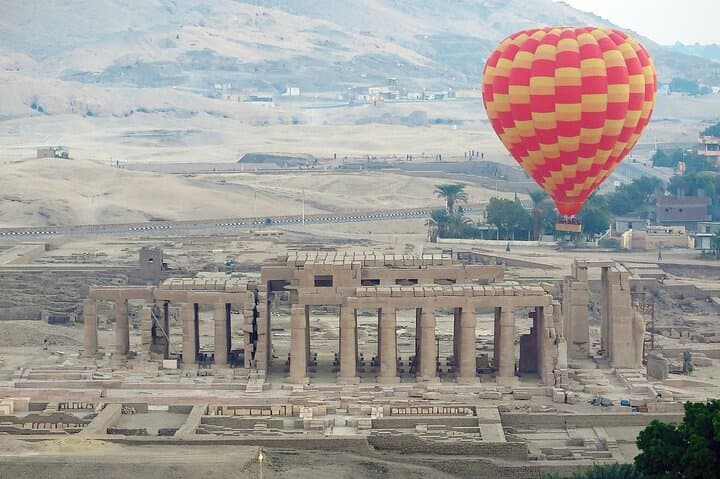

The basket lifts before dawn and the Nile narrows into a silver thread below—balloon burners puncture the cold air while columns and mortuary hills rotate slowly into view. Above Luxor the light settles on sandstone pylons and the West Bank’s quarry scars; the city wakes with a scent of river mud and diesel from nearby feluccas.
The basket lifts before dawn and the Nile narrows into a silver thread below—balloon burners puncture the cold air while columns and mortuary hills rotate slowly into view. Above Luxor the light settles on sandstone pylons and the West Bank’s quarry scars; the city wakes with a scent of river mud and diesel from nearby feluccas.
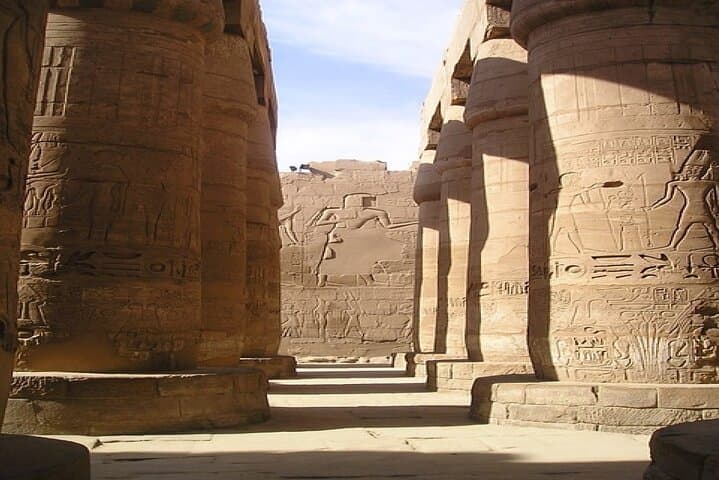
This full-day itinerary stitches airborne perspective to ground-level archaeology. After a pre-dawn pick-up you’ll float over the Nile’s floodplain, then continue by air-conditioned private car to Luxor Temple and the sprawling Karnak complex—sites central to New Kingdom religion. Cross to the West Bank for the Valley of the Kings, the Colossi of Memnon and Hatshepsut’s terraced mortuary temple, each carved into the geology of the Nile’s western escarpment and layered with millennia of human ritual.
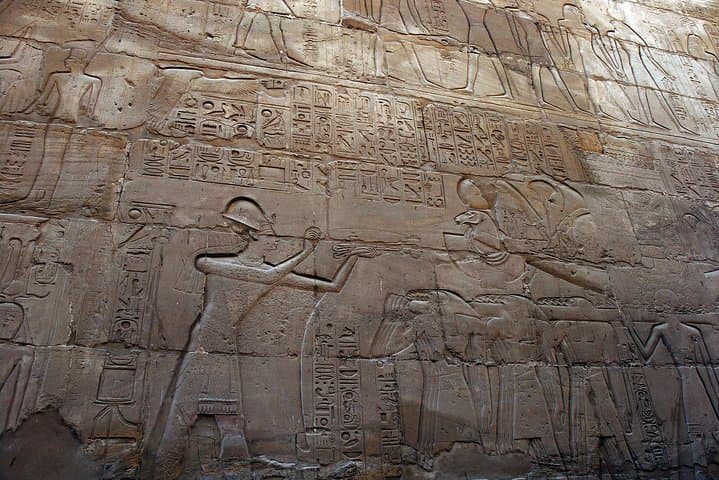
Expect guided context: pharaonic burial practices at the Valley, Amun-Ra’s cult at Karnak, and Hatshepsut’s unique queen‑turned‑pharaoh narrative. The ground is uneven—ancient stone and desert path—so pace is steady and photographic opportunities abundant.
Practical guidance: rise very early for the balloon launch, bring sun protection and plenty of water, and budget extra for archaeological site entry fees (not included). Wear closed shoes for tomb stairs and be prepared for a bumpy landing. The combination of silence in the balloon and tactile history on the ground makes this a compact but dense day—one that rewards early starts with uncommon views and layered stories of the Nile’s heartland.