THE ADVENTURE COLLECTIVE® · Independent discovery and booking for outdoor travel

Float over Teotihuacan at sunrise for a clear, aerial view of the Pyramid of the Sun and the Avenue of the Dead. This half-day tour combines a 40–50 minute balloon flight with breakfast, transfers, and a post-flight visit to the archaeological site.
Float over Teotihuacan at sunrise for a clear, aerial view of the Pyramid of the Sun and the Avenue of the Dead. This half-day tour combines a 40–50 minute balloon flight with breakfast, transfers, and a post-flight visit to the archaeological site.
You lift off before dawn and the valley unfolds beneath the basket—cool air rubbing against the canvas as the balloon rises and the Pyramid of the Sun catches the first clean light. Below, the Avenue of the Dead stretches like an ancient spine; above, the wind becomes an honest guide.
Verified experiences and guided adventures in the surrounding area.
Operated by JOSE ULISES CID HINOJOSA · Teotihuacán, State of Mexico
You lift off before dawn and the valley unfolds beneath the basket—cool air rubbing against the canvas as the balloon rises and the Pyramid of the Sun catches the first clean light. Below, the Avenue of the Dead stretches like an ancient spine; above, the wind becomes an honest guide.
Teotihuacan was one of Mesoamerica’s largest cities from 100–700 CE, and its flat volcanic plain is the result of lava flows and ash deposits from nearby Sierra de Patlachique. From the air you can read the city’s geometry—broad plazas and aligned pyramids—that reflected cosmology and social order. Local guides often point out Otomi and Nahua cultural echoes in contemporary villages, and many balloon operators incorporate a traditional breakfast and a printed flight certificate to mark the ritual of ascent.
Practically, expect a 40–50 minute airborne window inside a half-day excursion that includes transfers, breakfast, coffee, and liability insurance. Flights launch at first light to take advantage of calm winds; weather can cancel flights with short notice, so plans should stay flexible. Wear layers (pre-dawn is cool), bring cash for archaeological-site entry (tickets are not always included), and keep a lightweight camera with a strap—shots are best from the basket’s midline. Operators manage loading and landing; passengers should be able to step in and out of a low basket and follow crew instructions.
This is a gentle, cinematic way to get to know Teotihuacan: minimal exertion, maximum perspective, and a ground visit after the flight to study the stones you’ve just floated over.
easy.
8–9 hours.
Suitable for most fitness levels; must be able to step into/out of a low basket and stand for the flight
The airborne segment is about 40–50 minutes; the entire excursion, including transfers and breakfast, runs roughly 8–9 hours.
Not always—this operator’s itinerary notes the site visit but recommends carrying cash for the entry fee (around MXN 100).
Flights are typically canceled for high winds or low visibility; policies often allow full refunds if canceled at least 24 hours in advance or same-day if unsafe.
Service animals and infants are permitted—infants must sit on an adult’s lap; check with the operator about age minimums and weight limits before booking.
Teotihuacan peaked between 100–700 CE and influenced later cultures across Mesoamerica; its urban plan aligns with astronomical observations.
Visitor pressure is managed through restricted access to sensitive areas and regulated ticketing; choose operators that follow no-trace and local community practices.
JOSE ULISES CID HINOJOSA operates guided outdoor trips and adventures with an emphasis on safety, stewardship, and memorable experiences.
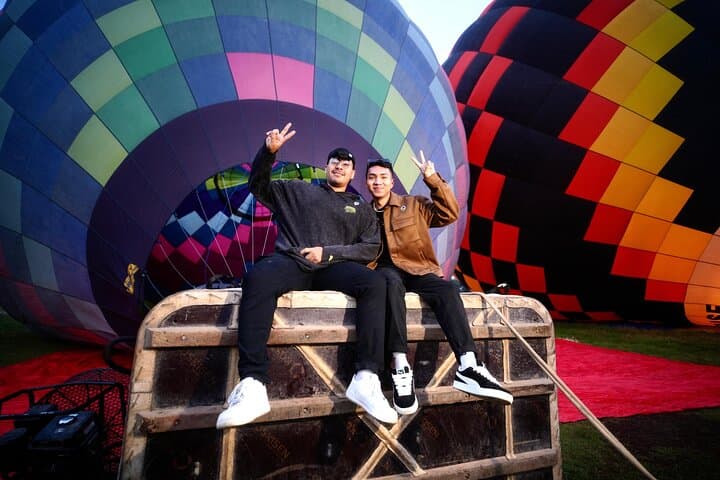
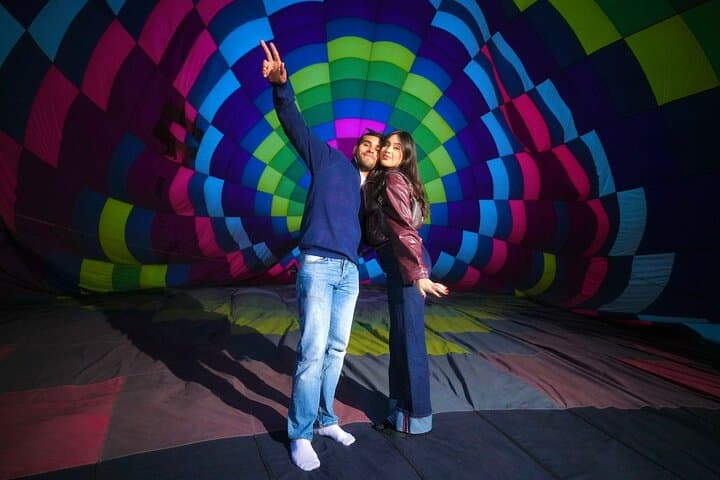
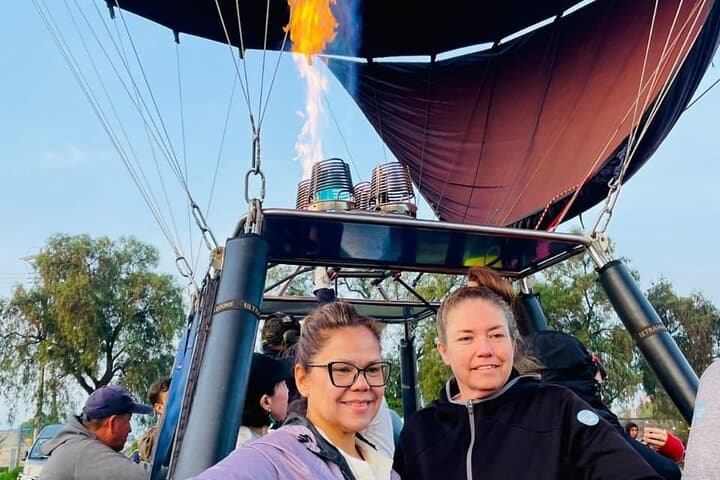
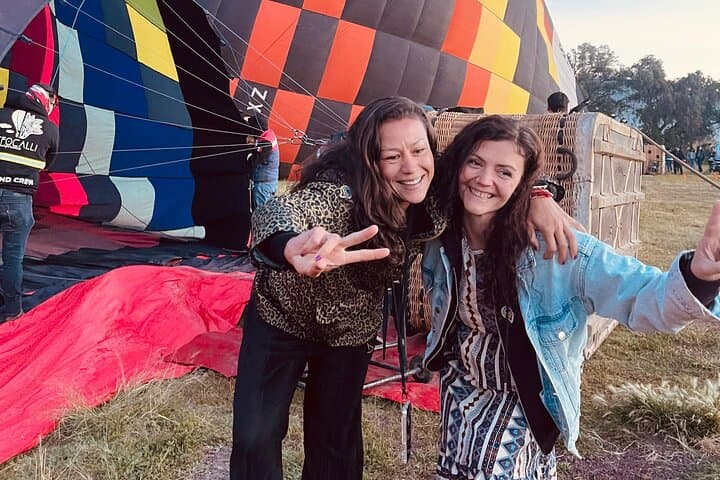
You lift off before dawn and the valley unfolds beneath the basket—cool air rubbing against the canvas as the balloon rises and the Pyramid of the Sun catches the first clean light. Below, the Avenue of the Dead stretches like an ancient spine; above, the wind becomes an honest guide.
You lift off before dawn and the valley unfolds beneath the basket—cool air rubbing against the canvas as the balloon rises and the Pyramid of the Sun catches the first clean light. Below, the Avenue of the Dead stretches like an ancient spine; above, the wind becomes an honest guide.
Teotihuacan was one of Mesoamerica’s largest cities from 100–700 CE, and its flat volcanic plain is the result of lava flows and ash deposits from nearby Sierra de Patlachique. From the air you can read the city’s geometry—broad plazas and aligned pyramids—that reflected cosmology and social order. Local guides often point out Otomi and Nahua cultural echoes in contemporary villages, and many balloon operators incorporate a traditional breakfast and a printed flight certificate to mark the ritual of ascent.
Practically, expect a 40–50 minute airborne window inside a half-day excursion that includes transfers, breakfast, coffee, and liability insurance. Flights launch at first light to take advantage of calm winds; weather can cancel flights with short notice, so plans should stay flexible. Wear layers (pre-dawn is cool), bring cash for archaeological-site entry (tickets are not always included), and keep a lightweight camera with a strap—shots are best from the basket’s midline. Operators manage loading and landing; passengers should be able to step in and out of a low basket and follow crew instructions.
This is a gentle, cinematic way to get to know Teotihuacan: minimal exertion, maximum perspective, and a ground visit after the flight to study the stones you’ve just floated over.