THE ADVENTURE COLLECTIVE® · Independent discovery and booking for outdoor travel

Lift off before dawn and float over rippling sand dunes, watching the sunrise splash color across the Dubai Desert Conservation Reserve. This early-morning hot air balloon flight pairs wildlife viewing with quiet aerial perspectives—ideal for photographers and first-time fliers.
Lift off before dawn and float over rippling sand dunes, watching the sunrise splash color across the Dubai Desert Conservation Reserve. This early-morning hot air balloon flight pairs wildlife viewing with quiet aerial perspectives—ideal for photographers and first-time fliers.
Before first light, the desert exhales a cool, dry breath and the bright envelope of a hot air balloon fills against a pale sky. You board a wicker basket as crews tighten ropes and the burner’s roar slices the silence; within minutes the dune sea slips away below and the world opens in long, warm light.
Verified experiences and guided adventures in the surrounding area.
Operated by Dubai Egypt Travel · Dubai, Dubai
Before first light, the desert exhales a cool, dry breath and the bright envelope of a hot air balloon fills against a pale sky. You board a wicker basket as crews tighten ropes and the burner’s roar slices the silence; within minutes the dune sea slips away below and the world opens in long, warm light.
The ride crosses the Dubai Desert Conservation Reserve, an arid landscape shaped by wind and time. Sand ridges and interdune flats reveal geology of well-sorted quartz and gypsum; the Hajjar range draws a distant line on the horizon. Historically, these sands sustained Bedouin routes and seasonal grazing—today the reserve protects reintroduced species such as Arabian oryx and sand gazelles and manages low-impact tourism to preserve fragile habitats.
Culturally, the morning ritual often includes a falcon photo opportunity and a traditional light breakfast after landing—small rituals that link modern tourism to Emirati heritage.
Practical guidance: expect a 40–70 minute flight above 4,000 ft within a 4–5 hour door-to-door schedule (early pickup, transfer, flight, and return). Temperatures can be cool pre-dawn, especially in winter; dress in layers and wear closed-toe shoes for dune-side assembly and landing. Cameras and binoculars reward patience—wildlife sightings are more likely near salt flats and sparse shrub lines.
Safety and comfort: briefings cover landing posture and weight distribution; organizers limit passengers per balloon and monitor weather closely. If you’re sensitive to motion, take measures before departure. Book early-season slots for clearer air and softer light, and respect reserve rules to keep this open landscape healthy for wildlife and future flights.
easy.
4–5 hours (includes transfers; 40–70 minute flight).
Minimal fitness required—must be able to step into a basket and stand for the duration of the flight and assembly.
The airborne portion typically lasts between 40 and 70 minutes depending on weather conditions and wind patterns.
Many operators allow children and infants; specialized infant seats are sometimes available—check age limits and inform at booking.
Flights are weather-dependent; operators will reschedule or refund if conditions make flying unsafe—confirm the provider’s cancellation policy when booking.
Yes—Arabian oryx, sand gazelles, and grazing camels are commonly seen from above, especially near vegetation patches and salt flats.
The Dubai Desert Conservation Reserve was set aside to protect native desert habitats and support species reintroductions; tourism here is managed to limit impact while showcasing natural heritage.
Operators work within reserve guidelines to minimize disturbance—stick to briefing instructions, avoid littering, and limit flash photography around wildlife.
Dubai Egypt Travel operates guided outdoor trips and adventures with an emphasis on safety, stewardship, and memorable experiences.
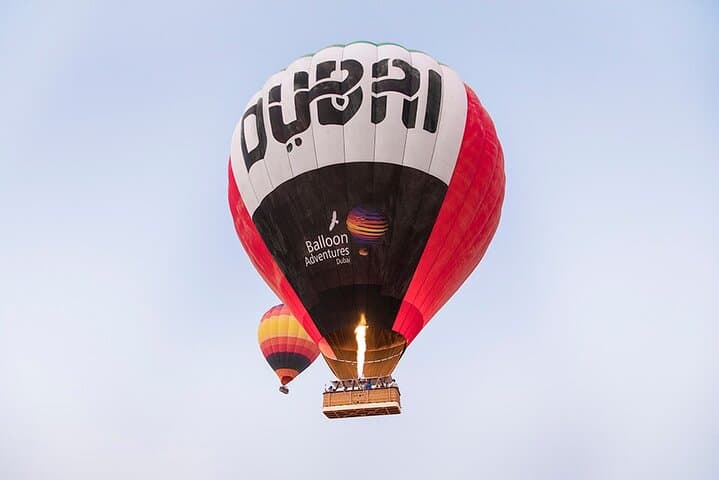

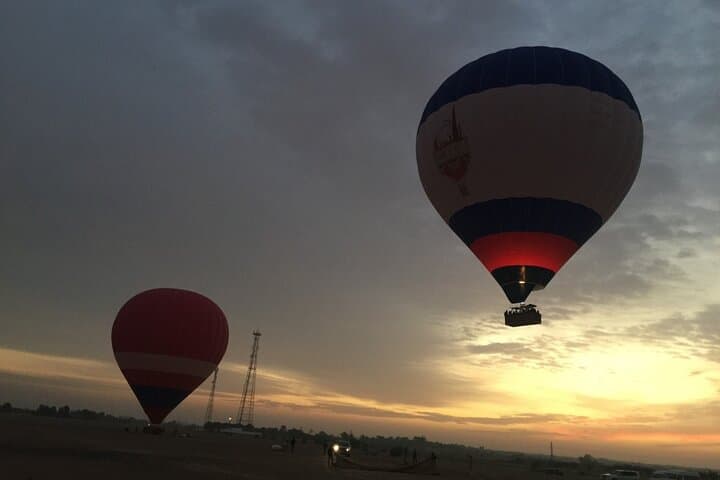
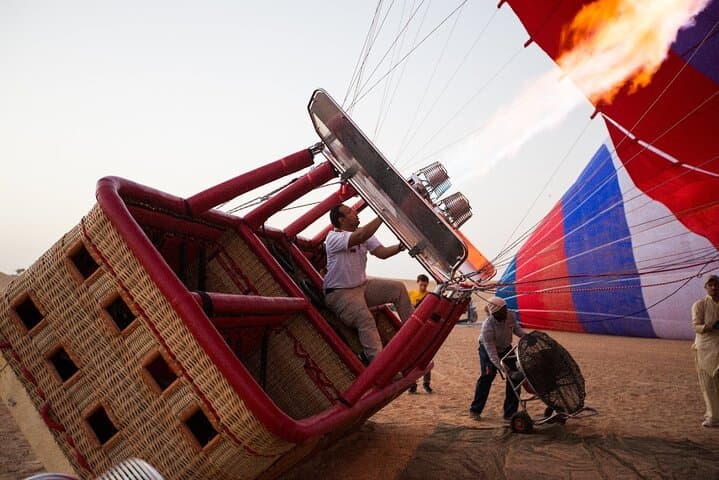
Before first light, the desert exhales a cool, dry breath and the bright envelope of a hot air balloon fills against a pale sky. You board a wicker basket as crews tighten ropes and the burner’s roar slices the silence; within minutes the dune sea slips away below and the world opens in long, warm light.
Before first light, the desert exhales a cool, dry breath and the bright envelope of a hot air balloon fills against a pale sky. You board a wicker basket as crews tighten ropes and the burner’s roar slices the silence; within minutes the dune sea slips away below and the world opens in long, warm light.
The ride crosses the Dubai Desert Conservation Reserve, an arid landscape shaped by wind and time. Sand ridges and interdune flats reveal geology of well-sorted quartz and gypsum; the Hajjar range draws a distant line on the horizon. Historically, these sands sustained Bedouin routes and seasonal grazing—today the reserve protects reintroduced species such as Arabian oryx and sand gazelles and manages low-impact tourism to preserve fragile habitats.
Culturally, the morning ritual often includes a falcon photo opportunity and a traditional light breakfast after landing—small rituals that link modern tourism to Emirati heritage.
Practical guidance: expect a 40–70 minute flight above 4,000 ft within a 4–5 hour door-to-door schedule (early pickup, transfer, flight, and return). Temperatures can be cool pre-dawn, especially in winter; dress in layers and wear closed-toe shoes for dune-side assembly and landing. Cameras and binoculars reward patience—wildlife sightings are more likely near salt flats and sparse shrub lines.
Safety and comfort: briefings cover landing posture and weight distribution; organizers limit passengers per balloon and monitor weather closely. If you’re sensitive to motion, take measures before departure. Book early-season slots for clearer air and softer light, and respect reserve rules to keep this open landscape healthy for wildlife and future flights.