THE ADVENTURE COLLECTIVE® · Independent discovery and booking for outdoor travel

Rise with the desert and float above Luxor at sunrise, then move from aerial panoramas to a private guided walk through Karnak and Luxor Temples. This combined balloon-and-temple day pairs dramatic views with curated cultural context and hassle-free logistics.
Rise with the desert and float above Luxor at sunrise, then move from aerial panoramas to a private guided walk through Karnak and Luxor Temples. This combined balloon-and-temple day pairs dramatic views with curated cultural context and hassle-free logistics.
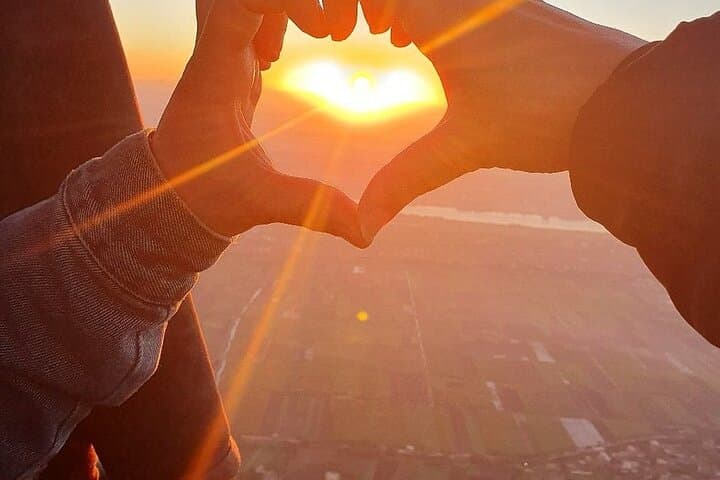
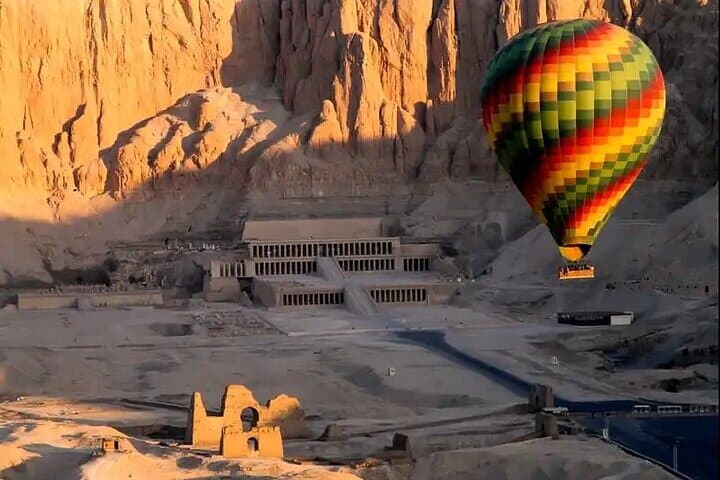
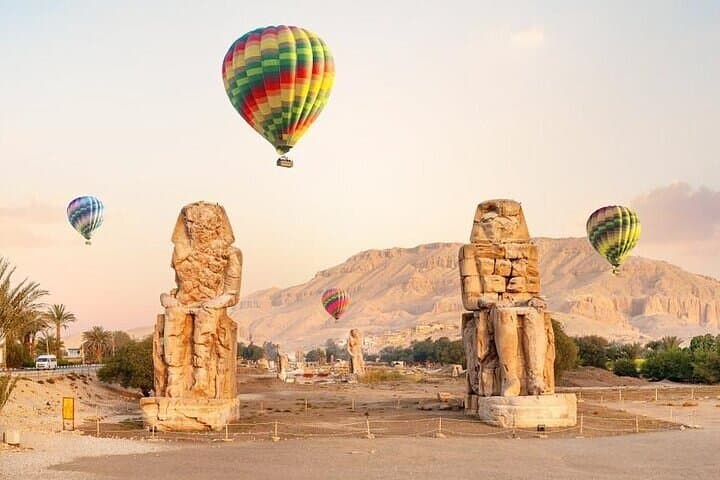
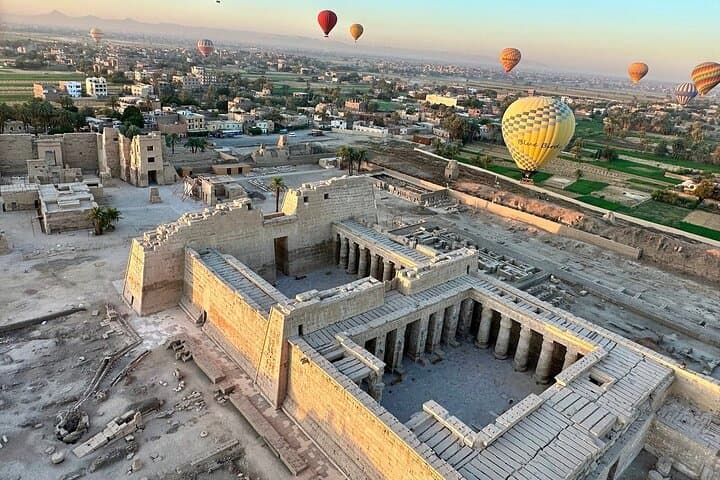
Before dawn the desert exhales a cool, mineral breath and the Nile nudges Luxor awake. You lift off in a shared hot-air balloon as the first light slips over the West Bank—banks of green, pale sand ridges, and the blocky silhouettes of mortuary temples sliding beneath you. The balloon drifts, quiet and deliberate, revealing the Valley of the Kings and temple roofs like archaeological punctuation marks on the landscape.
Verified experiences and guided adventures in the surrounding area.
Operated by Eyes of Egypt · Luxor, Luxor Governorate
Before dawn the desert exhales a cool, mineral breath and the Nile nudges Luxor awake. You lift off in a shared hot-air balloon as the first light slips over the West Bank—banks of green, pale sand ridges, and the blocky silhouettes of mortuary temples sliding beneath you. The balloon drifts, quiet and deliberate, revealing the Valley of the Kings and temple roofs like archaeological punctuation marks on the landscape.
Karnak and Luxor temples bookend millennia of pharaonic ritual: sandstone pylons, the Great Hypostyle Hall’s columns, and avenues where kings once processed between sanctuaries. Geology here is straightforward—Nile alluvium meeting Eocene limestone—so temples sit on firm ancient ground while the river’s life irrigates the floodplain below. Local guides in Luxor mix archaeological fact with cultural insight: how seasonal festivals shaped temple use, and why temple alignments capture sunlight at key times of year.
After the balloon, a private guide escorts you across the East Bank to Karnak and Luxor Temples with skip-the-ticket lines and deliberate pacing for photos. Expect uneven stone floors, stairs, and open sun-exposed courtyards; your guide will point out relief details and the best angles for shots.
Practical tips: start very early, bring sun protection and sturdy shoes, and plan for minimal shade. Hydrate before and after the flight; the basket ride is gentle but the landing can be bumpy. Bookings often include hotel pickup and return—confirm East vs. West Bank pickup. For culturally respectful visits, dress conservatively and follow your guide’s instructions to protect fragile reliefs and neighborly sites.
easy.
5–6 hours.
Light walking and standing for extended periods; suitable for most adults who can manage stairs and uneven ground.
Operators follow safety protocols and flights are piloted by licensed crews; rides are gentle but landings can be bumpy—listen to crew briefings.
Yes—this tour includes entrance tickets to Karnak and Luxor and private transfers with hotel pickup on either bank as noted in your booking.
Children (6+) are welcome; while transfers are wheelchair accessible, temple terrain includes uneven surfaces and steps—discuss mobility needs with the operator before booking.
Modest clothing that covers shoulders and knees is recommended out of respect; breathable fabrics help with heat.
Karnak and Luxor were central to the religious life of ancient Thebes, with structures built and expanded over 1,500 years by successive pharaohs.
High foot traffic and sunlight exposure contribute to erosion—stay on marked paths, avoid touching reliefs, and follow guide instructions to minimize impact.
Eyes of Egypt operates guided outdoor trips and adventures with an emphasis on safety, stewardship, and memorable experiences.
Before dawn the desert exhales a cool, mineral breath and the Nile nudges Luxor awake. You lift off in a shared hot-air balloon as the first light slips over the West Bank—banks of green, pale sand ridges, and the blocky silhouettes of mortuary temples sliding beneath you. The balloon drifts, quiet and deliberate, revealing the Valley of the Kings and temple roofs like archaeological punctuation marks on the landscape.
Before dawn the desert exhales a cool, mineral breath and the Nile nudges Luxor awake. You lift off in a shared hot-air balloon as the first light slips over the West Bank—banks of green, pale sand ridges, and the blocky silhouettes of mortuary temples sliding beneath you. The balloon drifts, quiet and deliberate, revealing the Valley of the Kings and temple roofs like archaeological punctuation marks on the landscape.
Karnak and Luxor temples bookend millennia of pharaonic ritual: sandstone pylons, the Great Hypostyle Hall’s columns, and avenues where kings once processed between sanctuaries. Geology here is straightforward—Nile alluvium meeting Eocene limestone—so temples sit on firm ancient ground while the river’s life irrigates the floodplain below. Local guides in Luxor mix archaeological fact with cultural insight: how seasonal festivals shaped temple use, and why temple alignments capture sunlight at key times of year.
After the balloon, a private guide escorts you across the East Bank to Karnak and Luxor Temples with skip-the-ticket lines and deliberate pacing for photos. Expect uneven stone floors, stairs, and open sun-exposed courtyards; your guide will point out relief details and the best angles for shots.
Practical tips: start very early, bring sun protection and sturdy shoes, and plan for minimal shade. Hydrate before and after the flight; the basket ride is gentle but the landing can be bumpy. Bookings often include hotel pickup and return—confirm East vs. West Bank pickup. For culturally respectful visits, dress conservatively and follow your guide’s instructions to protect fragile reliefs and neighborly sites.