THE ADVENTURE COLLECTIVE® · Independent discovery and booking for outdoor travel

Float over Luxor at sunrise, descend into the Valley of the Kings, walk Hatshepsut’s terraces, and end the day on a traditional felucca. This private full-day tour pairs aerial perspectives with intimate temple visits and a Nile sail.
Float over Luxor at sunrise, descend into the Valley of the Kings, walk Hatshepsut’s terraces, and end the day on a traditional felucca. This private full-day tour pairs aerial perspectives with intimate temple visits and a Nile sail.
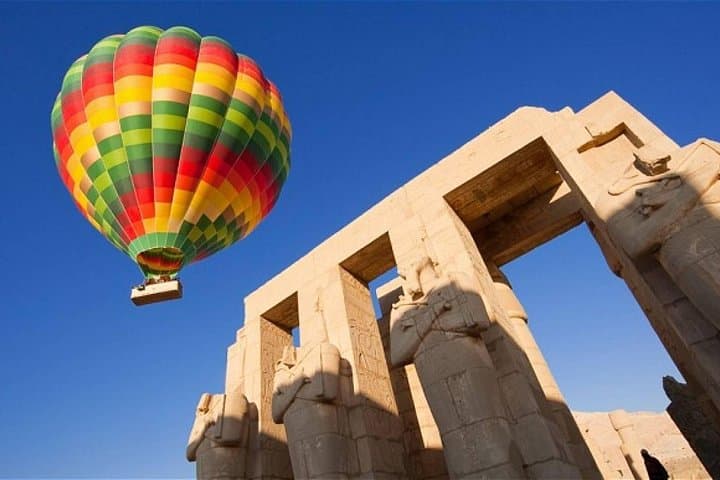
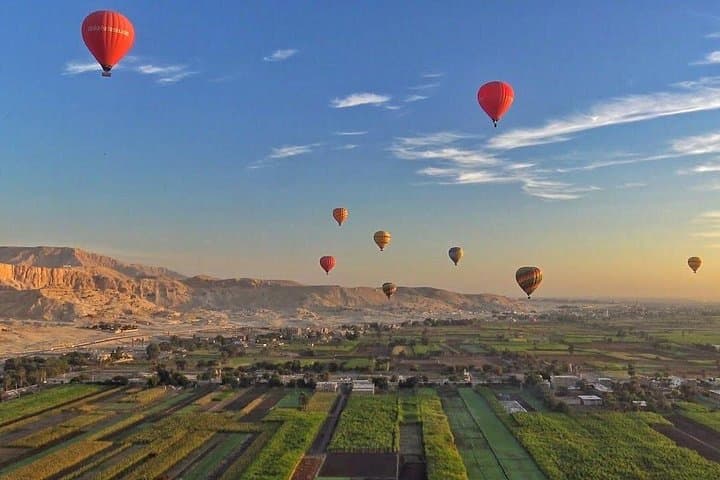
A still pre-dawn hush hangs over the Nile as the balloon’s burners puncture the cool air and the river below begins to catch the first light.
Verified experiences and guided adventures in the surrounding area.
Operated by Nice tours · Luxor, Luxor Governorate
A still pre-dawn hush hangs over the Nile as the balloon’s burners puncture the cool air and the river below begins to catch the first light.
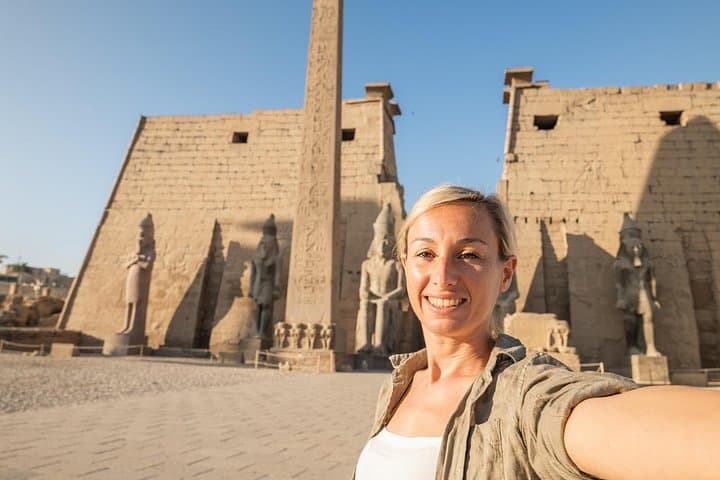
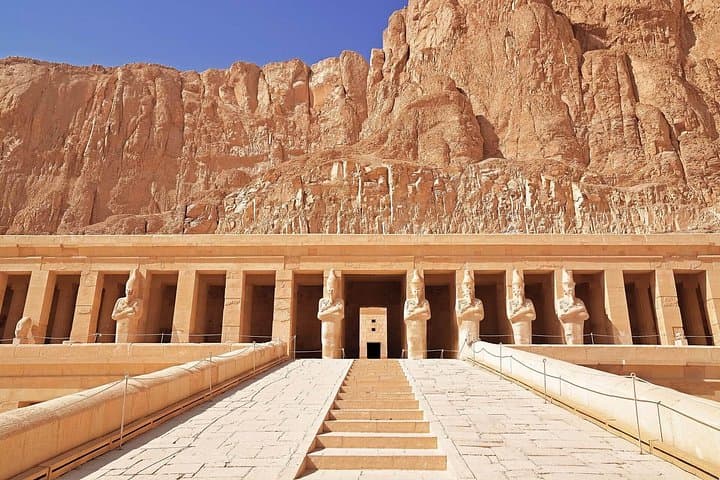
From 1,500 feet you watch the Valley of the Kings shrink into a ribbon of tomb markers, temples and desert—an aerial prologue to a day spent tracing Luxor’s two faces. On the West Bank, carved cliffs and the terraces of Hatshepsut speak of royal funerary rites; on the East, Karnak and Luxor Temples spill columns and courtyards that once choreographed state worship.
This route stitches pharaonic history to living culture: the New Kingdom necropolis of the 16th–11th centuries BCE, Amenhotep and Ramses-era statuary, and local felucca sailors steering the Nile’s slow current as they have for generations. Geology is literal here—limestone cliffs that held tomb-cutters’ chisels and silted floodplains that made the Nile the region’s lifeline.
Practical side: expect an early pickup for the sunrise balloon, followed by moderate walking, uneven stone steps at temple sites, and a relaxed felucca sail in the afternoon. Bring sun protection, plenty of water, comfortable footwear with grip, and a light layer for cooler mornings. Timing your visit in cooler months makes temple touring more pleasant; summer can be intense.
This private itinerary compresses Luxor’s highlights into a single, carefully paced day—high-altitude perspective, archaeological depth, and a slow river finish that lets the city’s history settle in as the sun sets.
easy.
8 hours.
Light fitness required—comfortable walking and ability to climb uneven stone steps for short periods.
Balloon flights launch at sunrise—pickup is typically 45–60 minutes before lift-off; confirm the exact time with your operator the night before.
Children can usually join both experiences; operators may set minimum age or seat rules—declare ages when booking to ensure appropriate arrangements.
Most temple admissions are not included in this private package; the tour typically guides you through entry logistics—confirm which sites include admission when booking.
Tipping is customary in Egypt; consider modest tips for your guide, driver and balloon crew if service meets expectations.
Luxor’s East and West Banks formed the religious and funerary axis of ancient Thebes; many temples date to the 18th–20th Dynasties when Thebes was a capital of pharaonic power.
Rising tourism pressures make site preservation critical—follow guide instructions, avoid touching reliefs, and use designated paths to limit wear.
Nice tours operates guided outdoor trips and adventures with an emphasis on safety, stewardship, and memorable experiences.
A still pre-dawn hush hangs over the Nile as the balloon’s burners puncture the cool air and the river below begins to catch the first light.
A still pre-dawn hush hangs over the Nile as the balloon’s burners puncture the cool air and the river below begins to catch the first light.
From 1,500 feet you watch the Valley of the Kings shrink into a ribbon of tomb markers, temples and desert—an aerial prologue to a day spent tracing Luxor’s two faces. On the West Bank, carved cliffs and the terraces of Hatshepsut speak of royal funerary rites; on the East, Karnak and Luxor Temples spill columns and courtyards that once choreographed state worship.
This route stitches pharaonic history to living culture: the New Kingdom necropolis of the 16th–11th centuries BCE, Amenhotep and Ramses-era statuary, and local felucca sailors steering the Nile’s slow current as they have for generations. Geology is literal here—limestone cliffs that held tomb-cutters’ chisels and silted floodplains that made the Nile the region’s lifeline.
Practical side: expect an early pickup for the sunrise balloon, followed by moderate walking, uneven stone steps at temple sites, and a relaxed felucca sail in the afternoon. Bring sun protection, plenty of water, comfortable footwear with grip, and a light layer for cooler mornings. Timing your visit in cooler months makes temple touring more pleasant; summer can be intense.
This private itinerary compresses Luxor’s highlights into a single, carefully paced day—high-altitude perspective, archaeological depth, and a slow river finish that lets the city’s history settle in as the sun sets.