THE ADVENTURE COLLECTIVE® · Independent discovery and booking for outdoor travel

Catch sunrise over Vinicunca on an early-morning trek from Cusco. This crowd-reducing departure focuses on the 2.5 km climb to the viewpoint, a Red Valley visit, and a return to Cusco for lunch.
Catch sunrise over Vinicunca on an early-morning trek from Cusco. This crowd-reducing departure focuses on the 2.5 km climb to the viewpoint, a Red Valley visit, and a return to Cusco for lunch.
Before dawn the bus slips out of Cusco and the Andes close in: black ridgelines, a cold wind that already feels like altitude. By headlamp the group steps onto a gravel track and begins the steady climb—2.5 km to the main viewpoint—while the sky eases from indigo to bruised pink. At the summit the first rays ignite the banded slopes: ochre, rust, teal and mustard laid out like a geological ledger. The mountain seems to exhale, color pushing outward under sunlight.
Verified experiences and guided adventures in the surrounding area.
Operated by PerúVibes · Cusco, Cusco Region
Before dawn the bus slips out of Cusco and the Andes close in: black ridgelines, a cold wind that already feels like altitude. By headlamp the group steps onto a gravel track and begins the steady climb—2.5 km to the main viewpoint—while the sky eases from indigo to bruised pink. At the summit the first rays ignite the banded slopes: ochre, rust, teal and mustard laid out like a geological ledger. The mountain seems to exhale, color pushing outward under sunlight.
Geology here is literal—iron oxides, copper, and other minerals exposed by glacial wear create the stripes that made Vinicunca famous. The landscape is part of the greater Ausangate massif, long held in reverence by Quechua communities whose herding routes and woven traditions still mark the high puna. Nearby the Red Valley shows the same processes in a different palette: red clays and serrated gullies carved by water and wind.
Practically, this is a high-altitude day trek: expect thin air, cold mornings and intense sun after dawn. Guides supply trekking poles and headlamps; the operator’s early pickup (around 1:30 a.m.) aims to beat crowds and catch sunrise. Bring layers that handle wind and sun, hydrate well the day before, and move deliberately—your pace is as important as your boots. Facilities are basic; lunch back in Cusco is the reward. With acclimatization and respect for the terrain, the reward is immediate: a short, sharp climb that delivers rare light and an unmistakable view of a mountain that seems to have been painted by the earth itself.
challenging.
10–12 hours.
Good cardiovascular fitness recommended; be comfortable hiking 2–4 hours at high altitude and walking on uneven, loose terrain.
The Rainbow Mountain sits at roughly 5,200 meters (about 17,060 ft); the trailhead and final viewpoint are both high enough that altitude effects are common.
No technical climbing skills are required, but prior high-altitude walking experience and steady fitness make the day far more comfortable.
This trip is not recommended for pregnant travelers or those with serious cardiovascular issues due to altitude and limited evacuation access.
Facilities are basic and usually available at the trailhead or parking area; expect limited options on the route itself and plan accordingly.
The striped colors are exposed mineral layers—iron oxides and other sediments—and the area is part of the larger Ausangate region, a landscape long intertwined with Quechua pastoral culture.
This high puna is fragile; stick to marked paths, pack out waste, and support local guides and community fees that fund preservation and responsible tourism.
PerúVibes operates guided outdoor trips and adventures with an emphasis on safety, stewardship, and memorable experiences.
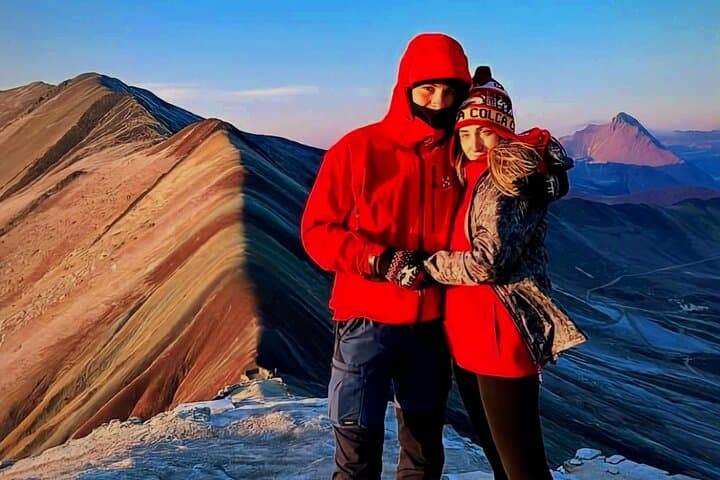
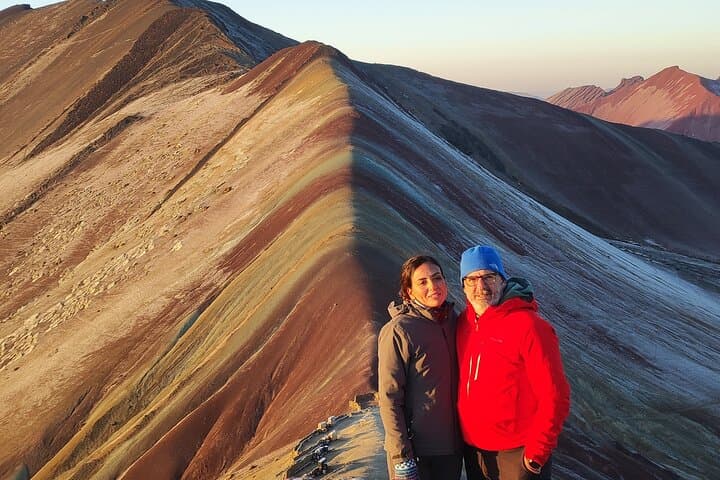
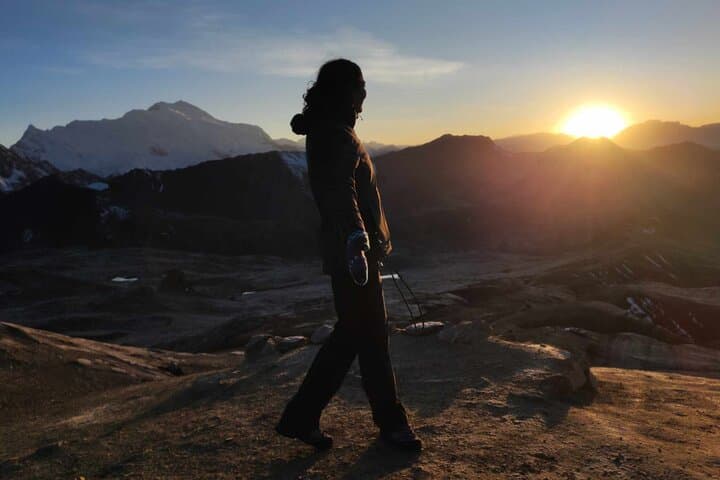
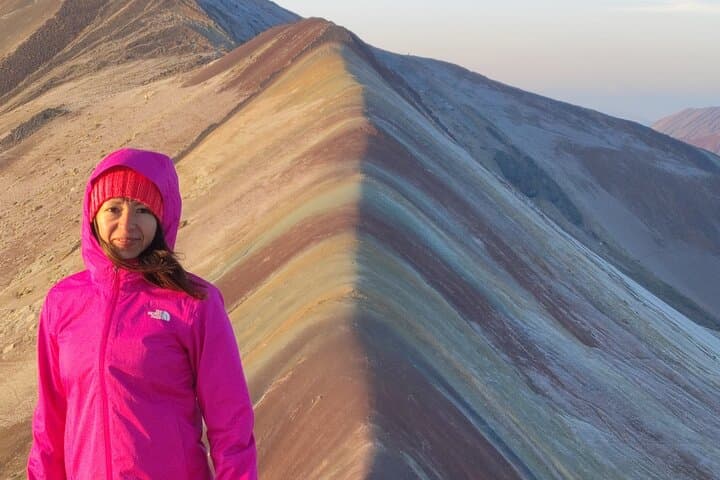
Before dawn the bus slips out of Cusco and the Andes close in: black ridgelines, a cold wind that already feels like altitude. By headlamp the group steps onto a gravel track and begins the steady climb—2.5 km to the main viewpoint—while the sky eases from indigo to bruised pink. At the summit the first rays ignite the banded slopes: ochre, rust, teal and mustard laid out like a geological ledger. The mountain seems to exhale, color pushing outward under sunlight.
Before dawn the bus slips out of Cusco and the Andes close in: black ridgelines, a cold wind that already feels like altitude. By headlamp the group steps onto a gravel track and begins the steady climb—2.5 km to the main viewpoint—while the sky eases from indigo to bruised pink. At the summit the first rays ignite the banded slopes: ochre, rust, teal and mustard laid out like a geological ledger. The mountain seems to exhale, color pushing outward under sunlight.
Geology here is literal—iron oxides, copper, and other minerals exposed by glacial wear create the stripes that made Vinicunca famous. The landscape is part of the greater Ausangate massif, long held in reverence by Quechua communities whose herding routes and woven traditions still mark the high puna. Nearby the Red Valley shows the same processes in a different palette: red clays and serrated gullies carved by water and wind.
Practically, this is a high-altitude day trek: expect thin air, cold mornings and intense sun after dawn. Guides supply trekking poles and headlamps; the operator’s early pickup (around 1:30 a.m.) aims to beat crowds and catch sunrise. Bring layers that handle wind and sun, hydrate well the day before, and move deliberately—your pace is as important as your boots. Facilities are basic; lunch back in Cusco is the reward. With acclimatization and respect for the terrain, the reward is immediate: a short, sharp climb that delivers rare light and an unmistakable view of a mountain that seems to have been painted by the earth itself.