THE ADVENTURE COLLECTIVE® · Independent discovery and booking for outdoor travel

See the Taj Mahal at first light on a private same-day tour from Jaipur. The day includes skip-the-line sunrise entry, Agra Fort, the Baby Taj, and a scenic drive across Rajasthan’s plains.
See the Taj Mahal at first light on a private same-day tour from Jaipur. The day includes skip-the-line sunrise entry, Agra Fort, the Baby Taj, and a scenic drive across Rajasthan’s plains.
A pale ribbon of dawn slips across the Yamuna as the Taj Mahal first appears — a white silhouette that slowly steels into detail as light warms the marble. Travelers who start before the sun find the monument quiet, fountains murmuring, and the façade shifting from pearly grey to honeyed cream.
Verified experiences and guided adventures in the surrounding area.
Operated by Gets Holiday India Tours · Agra, Uttar Pradesh
A pale ribbon of dawn slips across the Yamuna as the Taj Mahal first appears — a white silhouette that slowly steels into detail as light warms the marble. Travelers who start before the sun find the monument quiet, fountains murmuring, and the façade shifting from pearly grey to honeyed cream.
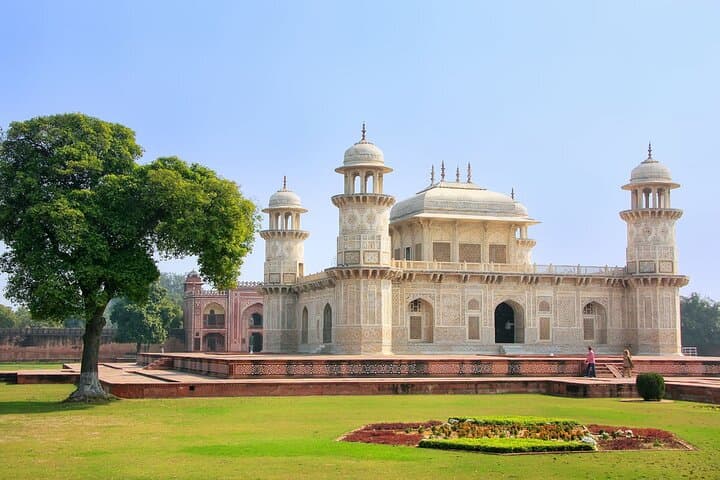
Built by Shah Jahan in the 17th century as a mausoleum for Mumtaz Mahal, the Taj sits on the flat Indo-Gangetic plains where river sediments and human hands shaped the landscape. Nearby Agra Fort and Itmad-ud-Daula (the “Baby Taj”) reveal Mughal layers: red sandstone ramparts, inlaid marble, and Persian garden planning that centered power and ritual along the river.
Culturally, Agra is busy — markets selling inlay work and petha sweets hum close to sites where royal processions once passed. Modern conservation efforts focus on reducing air pollution, regulating visitor numbers, and restoring stonework to slow marble erosion.
Practically, expect a long day: the private transfer from Jaipur is roughly 240 km and about four hours each way, with a total tour day around 12 hours. The itinerary typically includes a guided sunrise visit (skip-the-line access), Agra Fort, the Baby Taj, and a hotel breakfast. Bring comfortable walking shoes for the marble terraces, sun protection for open promenades, and dress modestly for crowded public places. Security checks at the Taj are strict — leave large tripods and drones at home and be prepared to show ID. For photographers, dawn light is unbeatable; for a quieter panorama, cross to Mehtab Bagh across the river later in the day.
easy.
12 hours.
Suitable for travelers in average physical condition; involves moderate walking on paved and marble surfaces
The drive is roughly 240 km and typically takes about 4 hours each way depending on traffic and road conditions.
This tour provides skip-the-line access and a guided visit, but confirm whether entry fees are included in your booking at time of purchase.
Standard cameras are allowed but large tripods and professional equipment may be restricted—check security rules ahead of time.
Yes; the tour is physically easy with mainly walking on paved surfaces, but it involves early pickup and several hours in transit, so plan accordingly.
The Taj Mahal was commissioned by Mughal emperor Shah Jahan in the mid-17th century as a mausoleum for his wife and is a focal point of Mughal architectural achievement.
Conservation efforts focus on controlling pollution, limiting visitor impacts, and restoring marble inlay; visitors should avoid littering, follow site rules, and minimize single-use plastics.
Gets Holiday India Tours operates guided outdoor trips and adventures with an emphasis on safety, stewardship, and memorable experiences.


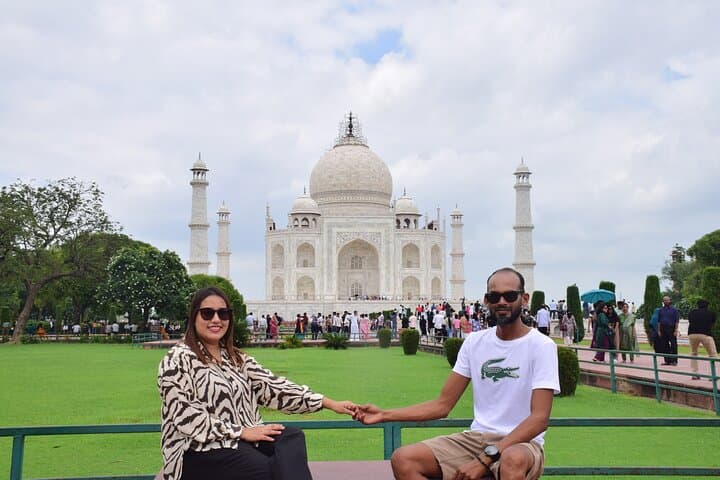
A pale ribbon of dawn slips across the Yamuna as the Taj Mahal first appears — a white silhouette that slowly steels into detail as light warms the marble. Travelers who start before the sun find the monument quiet, fountains murmuring, and the façade shifting from pearly grey to honeyed cream.
A pale ribbon of dawn slips across the Yamuna as the Taj Mahal first appears — a white silhouette that slowly steels into detail as light warms the marble. Travelers who start before the sun find the monument quiet, fountains murmuring, and the façade shifting from pearly grey to honeyed cream.
Built by Shah Jahan in the 17th century as a mausoleum for Mumtaz Mahal, the Taj sits on the flat Indo-Gangetic plains where river sediments and human hands shaped the landscape. Nearby Agra Fort and Itmad-ud-Daula (the “Baby Taj”) reveal Mughal layers: red sandstone ramparts, inlaid marble, and Persian garden planning that centered power and ritual along the river.
Culturally, Agra is busy — markets selling inlay work and petha sweets hum close to sites where royal processions once passed. Modern conservation efforts focus on reducing air pollution, regulating visitor numbers, and restoring stonework to slow marble erosion.
Practically, expect a long day: the private transfer from Jaipur is roughly 240 km and about four hours each way, with a total tour day around 12 hours. The itinerary typically includes a guided sunrise visit (skip-the-line access), Agra Fort, the Baby Taj, and a hotel breakfast. Bring comfortable walking shoes for the marble terraces, sun protection for open promenades, and dress modestly for crowded public places. Security checks at the Taj are strict — leave large tripods and drones at home and be prepared to show ID. For photographers, dawn light is unbeatable; for a quieter panorama, cross to Mehtab Bagh across the river later in the day.