THE ADVENTURE COLLECTIVE® · Independent discovery and booking for outdoor travel

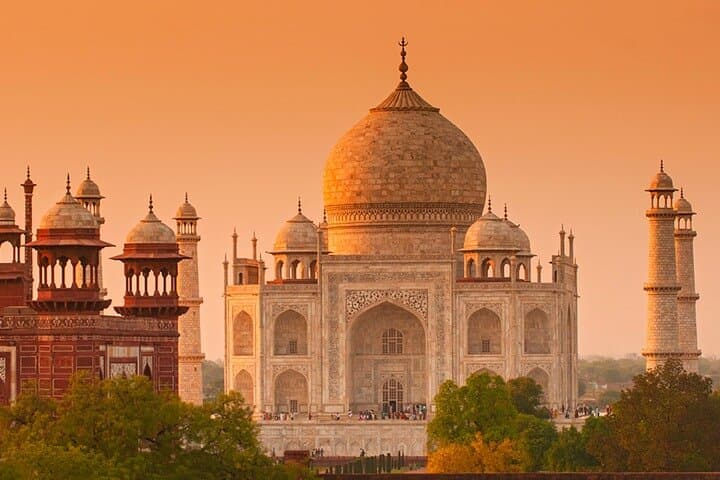
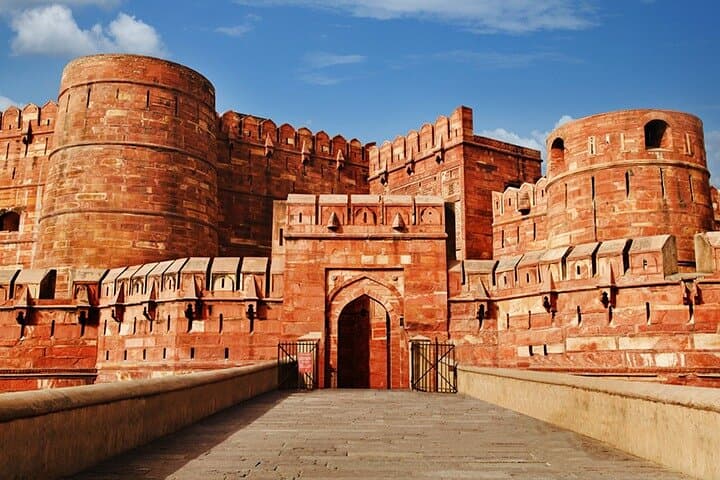
Beat the crowds with a pre-dawn pickup from Delhi and watch the Taj Mahal glow at sunrise. This private day trip pairs an early-morning visit to the mausoleum with a guided tour of Agra Fort and time for local shopping.
Beat the crowds with a pre-dawn pickup from Delhi and watch the Taj Mahal glow at sunrise. This private day trip pairs an early-morning visit to the mausoleum with a guided tour of Agra Fort and time for local shopping.
A thin wash of light turns the Yamuna River silver as a private vehicle rolls out of Delhi in the pre-dawn hush. The road unfurls across the flat Indo-Gangetic plain; hours later the Taj Mahal appears through the morning mist — its white marble catching the first sun like a living thing. A private guide leads the way through the gates, and the mausoleum's delicate inlay and reflected pools reveal themselves slowly, frame by frame.
Verified experiences and guided adventures in the surrounding area.
Operated by Private Tour Guide Agra · Agra, Uttar Pradesh
A thin wash of light turns the Yamuna River silver as a private vehicle rolls out of Delhi in the pre-dawn hush. The road unfurls across the flat Indo-Gangetic plain; hours later the Taj Mahal appears through the morning mist — its white marble catching the first sun like a living thing. A private guide leads the way through the gates, and the mausoleum's delicate inlay and reflected pools reveal themselves slowly, frame by frame.
This short, intense day trip traces two centuries of Mughal ambition: the Taj Mahal, begun in 1632 by Shah Jahan in memory of Mumtaz Mahal, and nearby Agra Fort, a red-sandstone citadel that records the empire's ceremonial life. Geologically, the site sits on alluvial deposits beside the Yamuna, which both nourished the city and challenges conservation of the marble. Culturally, the area hums with local crafts — marble inlay work and hand-block prints — sold around the monument's periphery.
Practically, expect an early pickup (around 2:30am), roughly a 3-hour road transfer each way (about 200–230 km depending on route), and 2–3 hours on site. Surfaces are mostly paved with some steps; security screening is strict and certain bags and tripods are restricted. Bring a printed ID/passport, light layers for dawn chill, sun protection for later, and small cash for souvenirs and tips. Aim for sunrise for smaller crowds and softer light; if mobility is a concern, request assistance when booking. The day balances fast travel logistics with the slow viewing a place like the Taj deserves — a clear, manageable way to see two UNESCO World Heritage sites in one long day.
easy.
8–10 hours.
Suitable for most fitness levels; involves walking on paved paths and climbing a few steps.
This tour lists monument entrance and some options include admission; confirm the specific booking option since packages may vary.
Expect about a 3-hour drive each way depending on traffic and route — plan for roughly 200–230 km of travel time.
Photography for personal use is permitted in most areas, but tripods and professional equipment may be restricted; follow onsite rules and guide advice.
Full refunds are generally available if you cancel at least 24 hours before departure; check the booking terms for exact details.
The Taj Mahal was commissioned by Mughal emperor Shah Jahan in the 17th century as a mausoleum for Mumtaz Mahal; Agra Fort served as an imperial complex for successive rulers.
The Taj faces ongoing conservation challenges from air and river pollution; early-morning visits reduce wear and are encouraged to help manage visitor impact.
Private Tour Guide Agra operates guided outdoor trips and adventures with an emphasis on safety, stewardship, and memorable experiences.
A thin wash of light turns the Yamuna River silver as a private vehicle rolls out of Delhi in the pre-dawn hush. The road unfurls across the flat Indo-Gangetic plain; hours later the Taj Mahal appears through the morning mist — its white marble catching the first sun like a living thing. A private guide leads the way through the gates, and the mausoleum's delicate inlay and reflected pools reveal themselves slowly, frame by frame.
A thin wash of light turns the Yamuna River silver as a private vehicle rolls out of Delhi in the pre-dawn hush. The road unfurls across the flat Indo-Gangetic plain; hours later the Taj Mahal appears through the morning mist — its white marble catching the first sun like a living thing. A private guide leads the way through the gates, and the mausoleum's delicate inlay and reflected pools reveal themselves slowly, frame by frame.
This short, intense day trip traces two centuries of Mughal ambition: the Taj Mahal, begun in 1632 by Shah Jahan in memory of Mumtaz Mahal, and nearby Agra Fort, a red-sandstone citadel that records the empire's ceremonial life. Geologically, the site sits on alluvial deposits beside the Yamuna, which both nourished the city and challenges conservation of the marble. Culturally, the area hums with local crafts — marble inlay work and hand-block prints — sold around the monument's periphery.
Practically, expect an early pickup (around 2:30am), roughly a 3-hour road transfer each way (about 200–230 km depending on route), and 2–3 hours on site. Surfaces are mostly paved with some steps; security screening is strict and certain bags and tripods are restricted. Bring a printed ID/passport, light layers for dawn chill, sun protection for later, and small cash for souvenirs and tips. Aim for sunrise for smaller crowds and softer light; if mobility is a concern, request assistance when booking. The day balances fast travel logistics with the slow viewing a place like the Taj deserves — a clear, manageable way to see two UNESCO World Heritage sites in one long day.