THE ADVENTURE COLLECTIVE® · Independent discovery and booking for outdoor travel

Beat the crowds and watch dawn light wash over the Taj Mahal on this private car tour from New Delhi. The itinerary pairs an early-morning visit to the Taj with Agra Fort, a riverside breakfast, and optional stops at marble workshops or Itmad-ud-Daulah.
Beat the crowds and watch dawn light wash over the Taj Mahal on this private car tour from New Delhi. The itinerary pairs an early-morning visit to the Taj with Agra Fort, a riverside breakfast, and optional stops at marble workshops or Itmad-ud-Daulah.
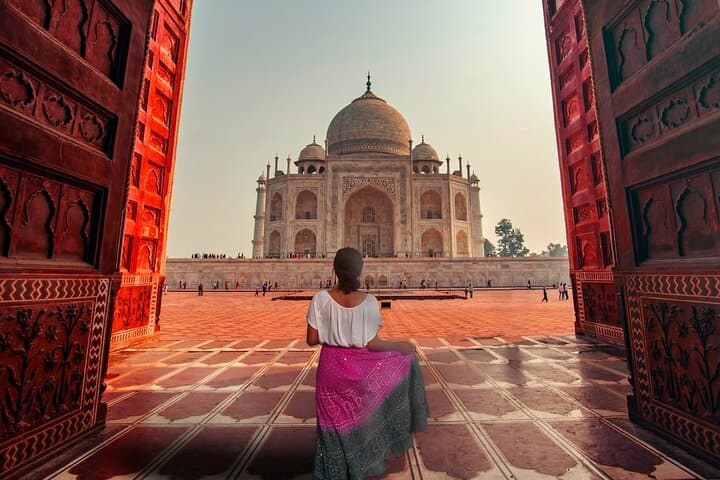
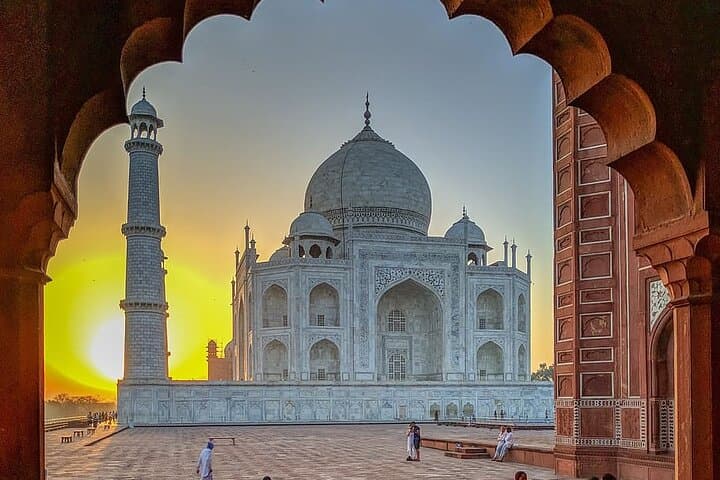
You arrive before the city wakes—headlights cutting through the pre-dawn haze as the Yamuna’s current dares the first light to reach the marble. By the time the sun lifts, the Taj Mahal sheds its night-time hush and the monument’s surfaces shift from silver to warm cream, allowing undisturbed photographs and a private moment with one of the world’s great buildings.
Verified experiences and guided adventures in the surrounding area.
Operated by The City Experiences · Agra, Uttar Pradesh
You arrive before the city wakes—headlights cutting through the pre-dawn haze as the Yamuna’s current dares the first light to reach the marble. By the time the sun lifts, the Taj Mahal sheds its night-time hush and the monument’s surfaces shift from silver to warm cream, allowing undisturbed photographs and a private moment with one of the world’s great buildings.
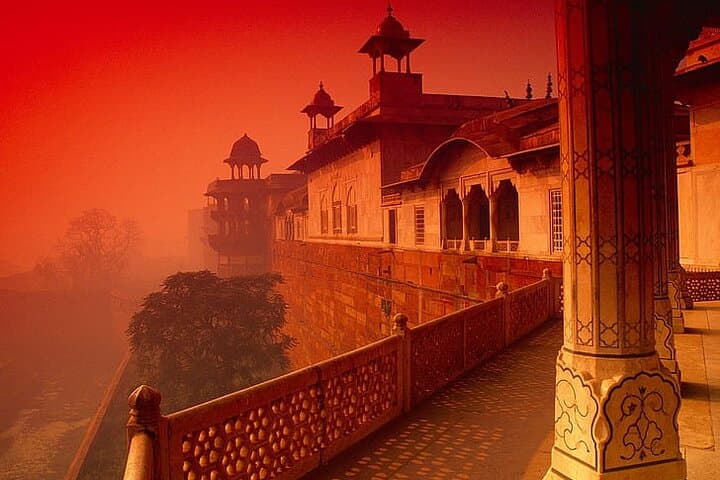
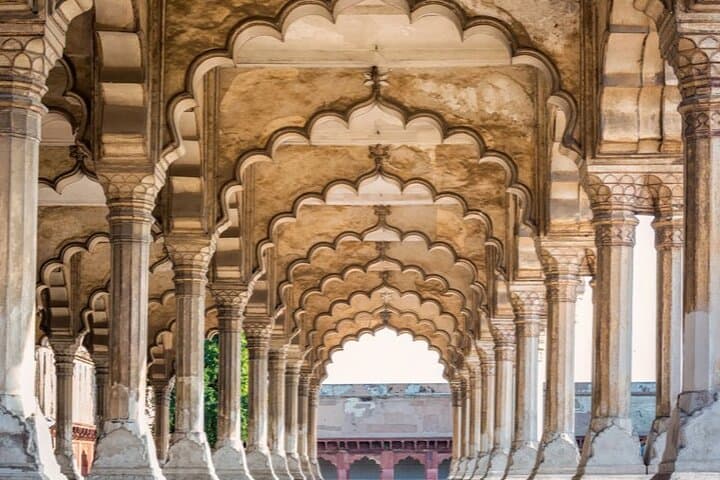
The Taj, built in the mid-17th century by Shah Jahan, sits on a floodplain of the Yamuna and reflects Mughal ideas of geometry, pietra dura inlay, and funerary gardens. Nearby Agra Fort, an earlier red-sandstone stronghold expanded under Akbar and later Mughal emperors, places the Taj in a longer arc of imperial history and urban strategy.
Cultural threads run through the day: craftsmen in Agra still practice marble inlay and lacemaking, while riverside ghats host migratory birds. Conservation is visible—restricted access, guided pathways, and ongoing restoration work aim to protect delicate marble and gardens from overcrowding and pollution.
Practical guidance: pickups typically start around 03:00 from New Delhi for the 3–4 hour drive; expect a full day (about 11 hours total) with short walks on paved but sometimes uneven surfaces. Carry ID (passport), comfortable shoes that are easy to remove, sun protection, and water supplied by the operator. Avoid Fridays when the Taj is closed and confirm entrance options at booking. The private, air-conditioned vehicle makes the logistics simple—what remains is the light, the stone, and the story the architecture tells.
easy.
10–12 hours.
Suitable for most fitness levels; involves short periods of walking and standing on paved surfaces
The Taj Mahal is closed on Fridays for prayers; plan your tour for another day and confirm with your operator.
This tour offers options—some packages include monument entrances while others require you to choose the entrance option at booking; verify before you go.
Expect about 10–12 hours total including travel time—roughly 3–4 hours each way by car depending on traffic.
Tripods and professional equipment may be restricted; drones are prohibited without special permission—ask the guide in advance.
The Taj Mahal was commissioned by Shah Jahan in 1632 as a mausoleum for Mumtaz Mahal; Agra Fort predates it and served as the Mughal political center under Akbar and his successors.
Visitor numbers are regulated and restoration work is ongoing to protect marble and inlay; avoid single-use plastics and follow designated paths to reduce wear on lawns and terraces.
The City Experiences operates guided outdoor trips and adventures with an emphasis on safety, stewardship, and memorable experiences.
You arrive before the city wakes—headlights cutting through the pre-dawn haze as the Yamuna’s current dares the first light to reach the marble. By the time the sun lifts, the Taj Mahal sheds its night-time hush and the monument’s surfaces shift from silver to warm cream, allowing undisturbed photographs and a private moment with one of the world’s great buildings.
You arrive before the city wakes—headlights cutting through the pre-dawn haze as the Yamuna’s current dares the first light to reach the marble. By the time the sun lifts, the Taj Mahal sheds its night-time hush and the monument’s surfaces shift from silver to warm cream, allowing undisturbed photographs and a private moment with one of the world’s great buildings.
The Taj, built in the mid-17th century by Shah Jahan, sits on a floodplain of the Yamuna and reflects Mughal ideas of geometry, pietra dura inlay, and funerary gardens. Nearby Agra Fort, an earlier red-sandstone stronghold expanded under Akbar and later Mughal emperors, places the Taj in a longer arc of imperial history and urban strategy.
Cultural threads run through the day: craftsmen in Agra still practice marble inlay and lacemaking, while riverside ghats host migratory birds. Conservation is visible—restricted access, guided pathways, and ongoing restoration work aim to protect delicate marble and gardens from overcrowding and pollution.
Practical guidance: pickups typically start around 03:00 from New Delhi for the 3–4 hour drive; expect a full day (about 11 hours total) with short walks on paved but sometimes uneven surfaces. Carry ID (passport), comfortable shoes that are easy to remove, sun protection, and water supplied by the operator. Avoid Fridays when the Taj is closed and confirm entrance options at booking. The private, air-conditioned vehicle makes the logistics simple—what remains is the light, the stone, and the story the architecture tells.