THE ADVENTURE COLLECTIVE® · Independent discovery and booking for outdoor travel

Catch the Taj Mahal at its most luminous on a private sunrise transfer from Delhi. This full‑day tour pairs an early-morning visit to the mausoleum with a guided walkthrough of Agra Fort and local insights into Mughal craftsmanship.
Catch the Taj Mahal at its most luminous on a private sunrise transfer from Delhi. This full‑day tour pairs an early-morning visit to the mausoleum with a guided walkthrough of Agra Fort and local insights into Mughal craftsmanship.
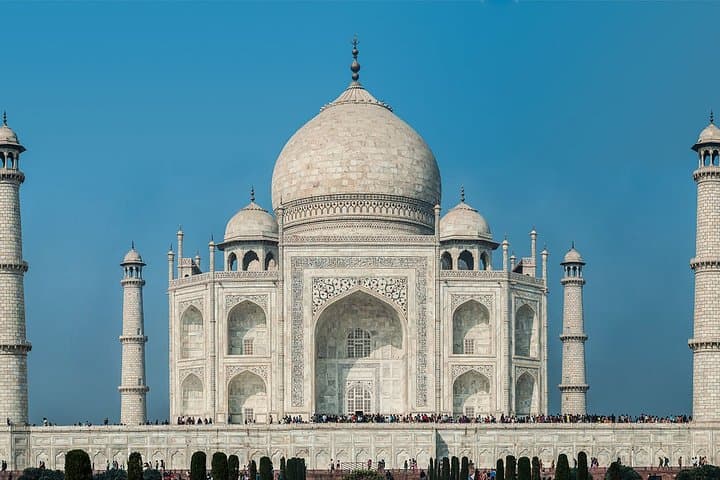
Before dawn the road unspools from Delhi: headlights cut through cool air, and by the time the sun lifts the first gold off white marble the Taj Mahal is waiting—its domes and minarets catching light like a slow-motion reveal.
Verified experiences and guided adventures in the surrounding area.
Operated by SITA World Tours · Agra, Uttar Pradesh
Before dawn the road unspools from Delhi: headlights cut through cool air, and by the time the sun lifts the first gold off white marble the Taj Mahal is waiting—its domes and minarets catching light like a slow-motion reveal.
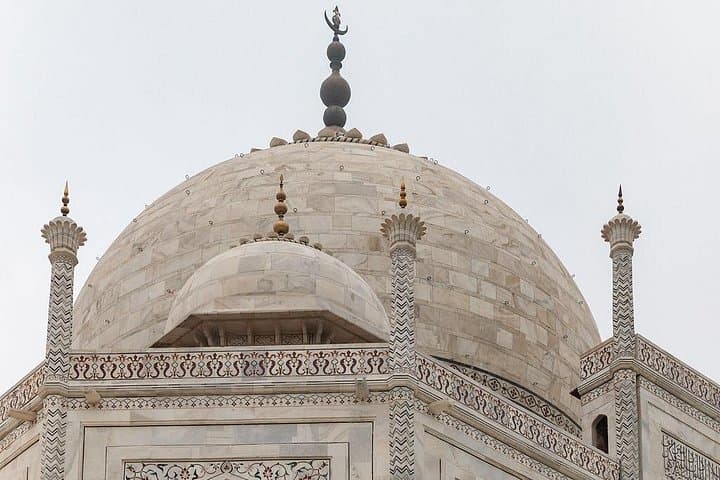
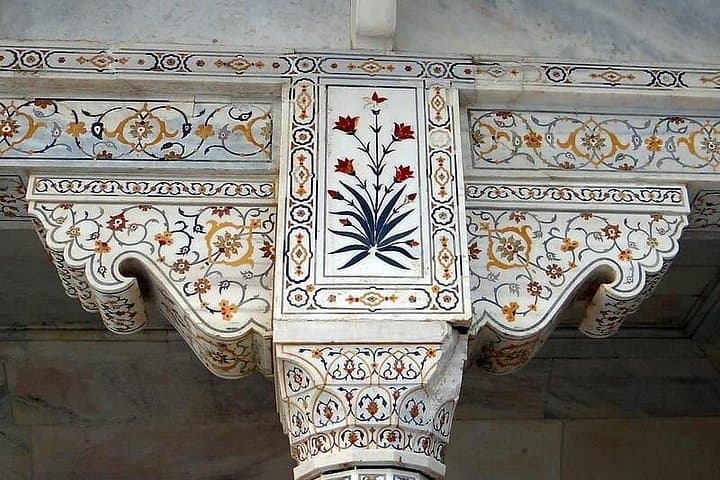
Visitors arrive early to avoid crowds and watch the monument’s changing mood as morning deepens. The mausoleum was commissioned by Shah Jahan in the 17th century and built from white Makrana marble; its symmetry and pietra dura inlay reflect Mughal engineering and craft. The Yamuna River hugs the back of the complex, its current quietly framing the garden axis and adding to the sense of measured perspective.
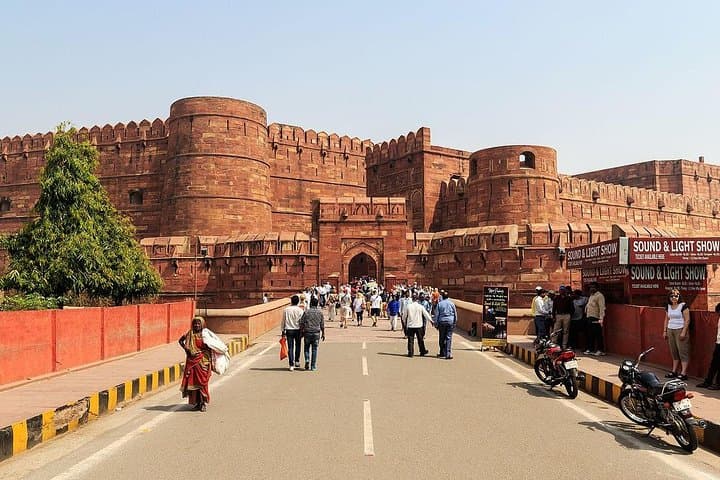
Beyond the Taj, Agra Fort’s red sandstone walls tell a different chapter: defensive bastions, audience halls and ornate palaces that chart Mughal politics and daily life. Local artisans continue centuries-old trades—stone inlay, leatherwork and embroidery—so the city still smells faintly of spices and dye vats behind tourist streets.
Practical guidance: expect a long day (roughly 10–12 hours door-to-door) with a 3–4 hour drive each way. Wear comfortable walking shoes for packed marble and uneven fort steps, carry water and sun protection, and plan for security checks at both sites. A private, air-conditioned vehicle and English-speaking Agra guide streamline logistics and timing.
Timing is the biggest lever: sunrise visits minimize crowds and produce the best light for photos, while mid-afternoon returns get you back to Delhi with daylight to spare. Keep copies of travel documents and allow extra time for traffic on the return leg.
moderate.
10–12 hours.
Suitable for travelers with moderate fitness who can tolerate long car rides and short walks over uneven surfaces; stair negotiation required at Agra Fort.
Pickup is very early—typically around 2:30 AM—to reach Agra in time for sunrise; exact pickup depends on your hotel location.
This private tour typically includes admissions to the Taj Mahal and Agra Fort as part of the itinerary—confirm at booking.
Yes, photography is allowed outside; tripods may be restricted and some interior areas have rules—follow onsite staff instructions.
Children under 15 must be accompanied by an adult; the tour involves extensive walking and steps, so it may be challenging for those with limited mobility.
The Taj Mahal was built between 1631 and 1648 by Mughal Emperor Shah Jahan as a mausoleum for Mumtaz Mahal; Agra Fort served as a principal Mughal residence and military stronghold.
Visitor management and controlled entry times help protect marble surfaces; follow signage and avoid touching delicate inlay work to reduce wear.
SITA World Tours operates guided outdoor trips and adventures with an emphasis on safety, stewardship, and memorable experiences.
Before dawn the road unspools from Delhi: headlights cut through cool air, and by the time the sun lifts the first gold off white marble the Taj Mahal is waiting—its domes and minarets catching light like a slow-motion reveal.
Before dawn the road unspools from Delhi: headlights cut through cool air, and by the time the sun lifts the first gold off white marble the Taj Mahal is waiting—its domes and minarets catching light like a slow-motion reveal.
Visitors arrive early to avoid crowds and watch the monument’s changing mood as morning deepens. The mausoleum was commissioned by Shah Jahan in the 17th century and built from white Makrana marble; its symmetry and pietra dura inlay reflect Mughal engineering and craft. The Yamuna River hugs the back of the complex, its current quietly framing the garden axis and adding to the sense of measured perspective.
Beyond the Taj, Agra Fort’s red sandstone walls tell a different chapter: defensive bastions, audience halls and ornate palaces that chart Mughal politics and daily life. Local artisans continue centuries-old trades—stone inlay, leatherwork and embroidery—so the city still smells faintly of spices and dye vats behind tourist streets.
Practical guidance: expect a long day (roughly 10–12 hours door-to-door) with a 3–4 hour drive each way. Wear comfortable walking shoes for packed marble and uneven fort steps, carry water and sun protection, and plan for security checks at both sites. A private, air-conditioned vehicle and English-speaking Agra guide streamline logistics and timing.
Timing is the biggest lever: sunrise visits minimize crowds and produce the best light for photos, while mid-afternoon returns get you back to Delhi with daylight to spare. Keep copies of travel documents and allow extra time for traffic on the return leg.