THE ADVENTURE COLLECTIVE® · Independent discovery and booking for outdoor travel

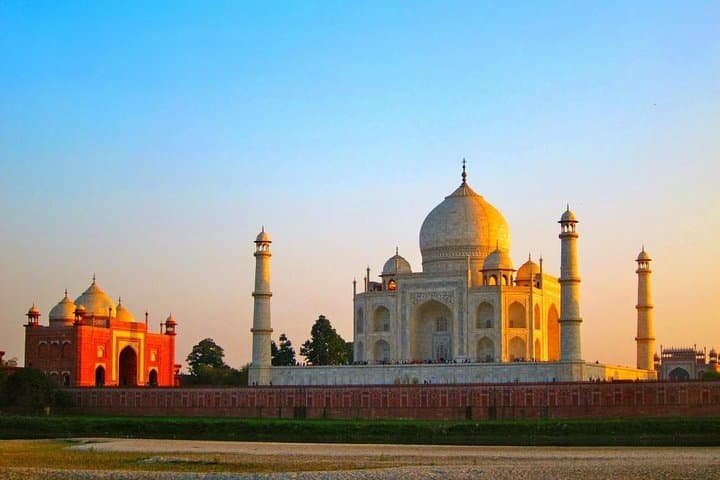
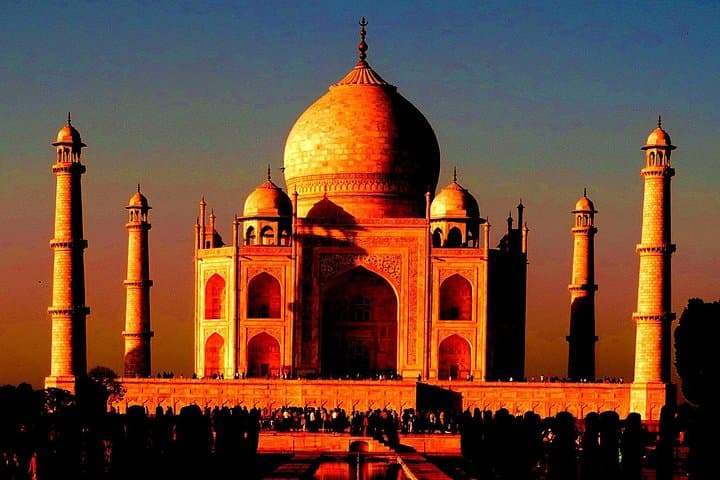
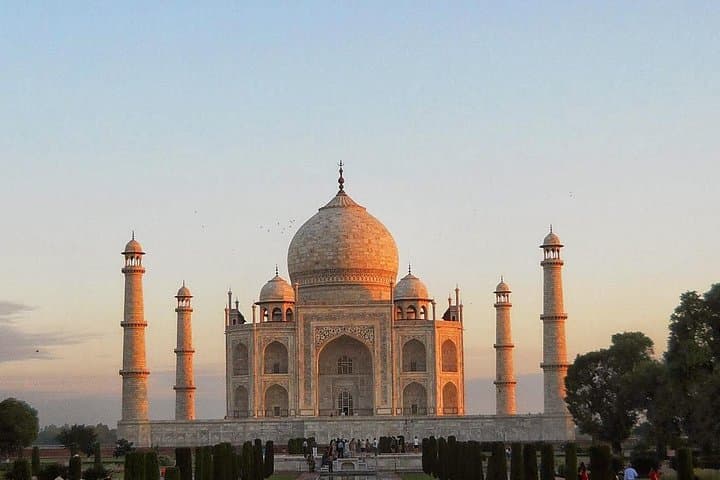
Arrive at the Taj Mahal as the marble shifts through gold and pink on a private sunrise day trip from Delhi. This guided tour pairs skip-the-line convenience with local insight, Agra Fort visits and a chance to browse skilled marble workshops.
Arrive at the Taj Mahal as the marble shifts through gold and pink on a private sunrise day trip from Delhi. This guided tour pairs skip-the-line convenience with local insight, Agra Fort visits and a chance to browse skilled marble workshops.
You step out of the car while the city still sleeps; the marble ahead is cool and nearly empty, catching first light that moves across domes and minarets like a slow spotlight.
Verified experiences and guided adventures in the surrounding area.
Operated by Holiday Tours And Travels · Agra, Uttar Pradesh
You step out of the car while the city still sleeps; the marble ahead is cool and nearly empty, catching first light that moves across domes and minarets like a slow spotlight.
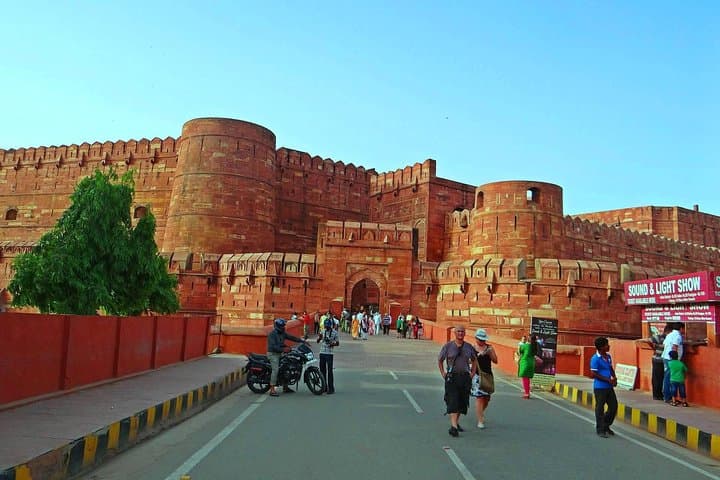
Built by Shah Jahan in the 17th century, the Taj Mahal sits on the Yamuna’s floodplain where softer alluvial soils allowed master builders to raise an iconic white-marble mausoleum. Nearby Agra Fort’s red sandstone walls remind you this was once the Mughal capital, a compact landscape of imperial planning, craft workshops and busy bazaars.
A sunrise visit emphasizes the monument’s changing color and the hush of the early hour. Your local guide will place architectural details in context—the pietra dura inlay, calligraphic panels and axial gardens—and point out the lesser-seen I’timād-ud-Daulah (the “Baby Taj”) with its delicate jali work.
Practicalities steer the day: expect a very early pickup from Delhi (around 3:00–4:00 a.m.) to reach Agra before dawn, a roughly 3-hour drive each way depending on traffic, and about 2–3 hours on-site including time for photography and brief touring. The tour is wheelchair accessible in core areas, passport details are required at booking, and heavy fog can suspend operations in mid-December to mid-January.
Plan for comfortable walking shoes, sun protection, modest dress for a religious and cultural site, and small cash for bazaars where local marble inlay and handicrafts are sold. Bring a refillable water bottle and expect guided commentary that turns stonework into stories—concise, lively and useful for navigating Agra’s compact heritage circuit.
easy.
10 hours.
Low to moderate: suitable for most travelers who can walk 1–2 miles on paved surfaces and tolerate early mornings.
Pickup is typically between 3:00–4:00 a.m. in winter it may be set earlier to offset fog-related delays; your operator will confirm exact time.
The tour advertises skip-the-line access and guided visits; confirm whether official monument entry fees are included on booking confirmation.
Core areas and transportation options are listed as wheelchair accessible, but terrain within some monuments includes steps—advise the operator of specific needs in advance.
Operations can be suspended during dense fog, typically in the second half of December through the first half of January; check cancellation and refund rules when booking.
The Taj Mahal was commissioned by Emperor Shah Jahan in 1632 as a mausoleum for Mumtaz Mahal; nearby Agra Fort served as the Mughal administrative center before the capital moved to Delhi.
Visitor pressure and air pollution have long-term effects on marble; follow site rules, avoid littering, and choose licensed guides and local artisans to support sustainable tourism.
Holiday Tours And Travels operates guided outdoor trips and adventures with an emphasis on safety, stewardship, and memorable experiences.
You step out of the car while the city still sleeps; the marble ahead is cool and nearly empty, catching first light that moves across domes and minarets like a slow spotlight.
You step out of the car while the city still sleeps; the marble ahead is cool and nearly empty, catching first light that moves across domes and minarets like a slow spotlight.
Built by Shah Jahan in the 17th century, the Taj Mahal sits on the Yamuna’s floodplain where softer alluvial soils allowed master builders to raise an iconic white-marble mausoleum. Nearby Agra Fort’s red sandstone walls remind you this was once the Mughal capital, a compact landscape of imperial planning, craft workshops and busy bazaars.
A sunrise visit emphasizes the monument’s changing color and the hush of the early hour. Your local guide will place architectural details in context—the pietra dura inlay, calligraphic panels and axial gardens—and point out the lesser-seen I’timād-ud-Daulah (the “Baby Taj”) with its delicate jali work.
Practicalities steer the day: expect a very early pickup from Delhi (around 3:00–4:00 a.m.) to reach Agra before dawn, a roughly 3-hour drive each way depending on traffic, and about 2–3 hours on-site including time for photography and brief touring. The tour is wheelchair accessible in core areas, passport details are required at booking, and heavy fog can suspend operations in mid-December to mid-January.
Plan for comfortable walking shoes, sun protection, modest dress for a religious and cultural site, and small cash for bazaars where local marble inlay and handicrafts are sold. Bring a refillable water bottle and expect guided commentary that turns stonework into stories—concise, lively and useful for navigating Agra’s compact heritage circuit.