THE ADVENTURE COLLECTIVE® · Independent discovery and booking for outdoor travel

Witness the Taj Mahal at first light and pair it with Delhi’s major UNESCO sites on a compact two-day private tour. Early starts, guided history, and private transfers make this a practical way to see Mughal India’s highlights in comfort.
Witness the Taj Mahal at first light and pair it with Delhi’s major UNESCO sites on a compact two-day private tour. Early starts, guided history, and private transfers make this a practical way to see Mughal India’s highlights in comfort.
Morning light crests over the Yamuna and the Taj Mahal stands like a pale promise—marble catching the first saffron rays while the gardens breathe quietly around you. On this two-day circuit, travelers move from Delhi’s imperial avenues to Agra’s Mughal-era layers, switching urban pulse for riverbank calm before dawn.
Verified experiences and guided adventures in the surrounding area.
Operated by Wonderful Holidays · Agra, Uttar Pradesh
Morning light crests over the Yamuna and the Taj Mahal stands like a pale promise—marble catching the first saffron rays while the gardens breathe quietly around you. On this two-day circuit, travelers move from Delhi’s imperial avenues to Agra’s Mughal-era layers, switching urban pulse for riverbank calm before dawn.
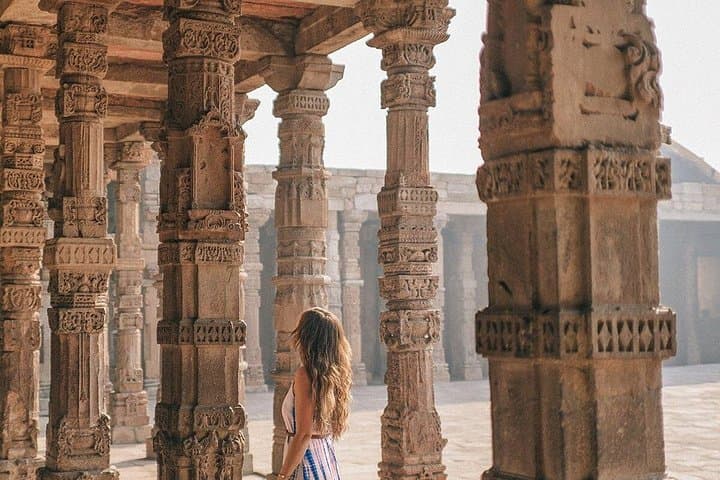
The route threads through Mughal and British-era landmarks: Qutub Minar’s 12th-century tapering brickwork, India Gate’s colonial memorial arch, and the carved courtyards of Agra Fort where Akbar and his successors shaped a courtly culture. Geologically the region is flat alluvial plain of the Ganges-Yamuna basin; soils and the river’s course helped Agra grow as a trade and imperial center. Culturally, expect bazaars alive with spices, marble inlay artisans, and a cuisine that mixes Mughlai richness with North Indian staples.
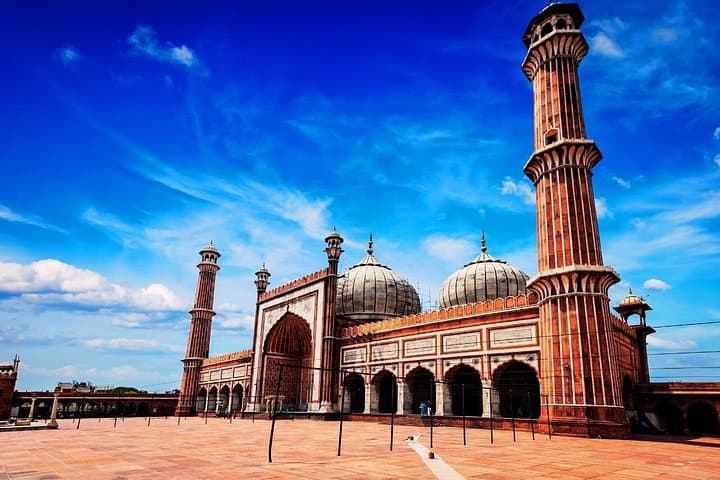
Practically, the sunrise viewing requires a very early hotel pickup and brief, measured walking on paved garden paths and steps. Entry is managed and timed; a government-approved guide and private car smooth transit between Delhi and Agra. Bring water, a camera with spare battery, and modest clothing—mosque and palace precincts expect respectful dress. Peak comfort comes in cooler months (October–March); summers are hot and monsoon months can be humid and wet.
This is less a strenuous trek than a carefully timed cultural excursion: arrive rested, expect security queues, and leave space in your schedule for the quieter sights—the Baby Taj and Mehtab Bagh across the river offer reflective viewpoints away from the crowds.
easy.
2 days.
Suitable for most fitness levels; requires short periods of walking, stairs, and standing during site visits
Pickup is typically around 5:30–5:45 AM from Agra hotels so you reach the Taj before sunrise for optimal light and smaller crowds.
This private tour includes a licensed guide and chauffeur; confirm whether your booking includes Taj Mahal entry fees—some operators exclude the monument ticket price.
The tour notes wheelchair and stroller accessibility for transfers; however, some monument areas have steps and uneven surfaces—check specific access at each site beforehand.
Expect about 1.5–2 hours at the Taj for photo time and gardens, and roughly 1–1.5 hours at Agra Fort, depending on interest and crowd levels.
The Taj Mahal was built by Emperor Shah Jahan in the 17th century as a mausoleum for Mumtaz Mahal; nearby Agra Fort predates it and served as a Mughal power center under Akbar and his successors.
Air pollution and tourist impact have prompted conservation measures and restricted access windows; follow site rules, avoid touching surfaces, and use biodegradable products to reduce impact.
Wonderful Holidays operates guided outdoor trips and adventures with an emphasis on safety, stewardship, and memorable experiences.
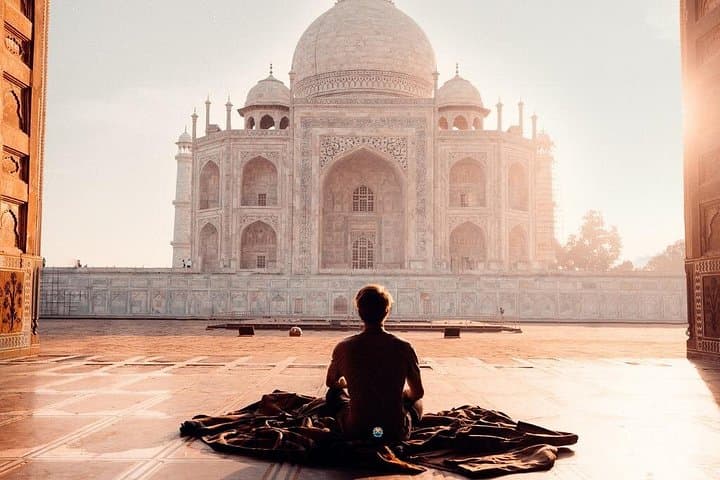
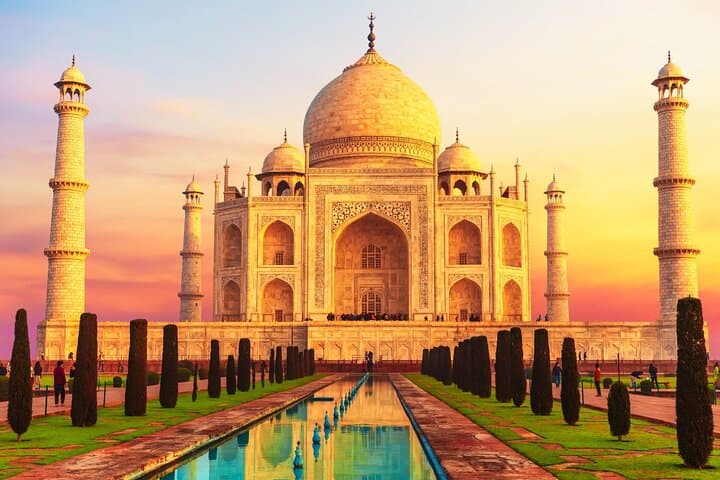
Morning light crests over the Yamuna and the Taj Mahal stands like a pale promise—marble catching the first saffron rays while the gardens breathe quietly around you. On this two-day circuit, travelers move from Delhi’s imperial avenues to Agra’s Mughal-era layers, switching urban pulse for riverbank calm before dawn.
Morning light crests over the Yamuna and the Taj Mahal stands like a pale promise—marble catching the first saffron rays while the gardens breathe quietly around you. On this two-day circuit, travelers move from Delhi’s imperial avenues to Agra’s Mughal-era layers, switching urban pulse for riverbank calm before dawn.
The route threads through Mughal and British-era landmarks: Qutub Minar’s 12th-century tapering brickwork, India Gate’s colonial memorial arch, and the carved courtyards of Agra Fort where Akbar and his successors shaped a courtly culture. Geologically the region is flat alluvial plain of the Ganges-Yamuna basin; soils and the river’s course helped Agra grow as a trade and imperial center. Culturally, expect bazaars alive with spices, marble inlay artisans, and a cuisine that mixes Mughlai richness with North Indian staples.
Practically, the sunrise viewing requires a very early hotel pickup and brief, measured walking on paved garden paths and steps. Entry is managed and timed; a government-approved guide and private car smooth transit between Delhi and Agra. Bring water, a camera with spare battery, and modest clothing—mosque and palace precincts expect respectful dress. Peak comfort comes in cooler months (October–March); summers are hot and monsoon months can be humid and wet.
This is less a strenuous trek than a carefully timed cultural excursion: arrive rested, expect security queues, and leave space in your schedule for the quieter sights—the Baby Taj and Mehtab Bagh across the river offer reflective viewpoints away from the crowds.