THE ADVENTURE COLLECTIVE® · Independent discovery and booking for outdoor travel

Drive from Delhi through the Yamuna plains to catch the Taj Mahal at sunrise and explore Agra Fort across two private days. This practical guide covers logistics, what to expect on site, and tips to make the most of early starts and long drives.
Drive from Delhi through the Yamuna plains to catch the Taj Mahal at sunrise and explore Agra Fort across two private days. This practical guide covers logistics, what to expect on site, and tips to make the most of early starts and long drives.
The highway unfurls at dawn as the Delhi skyline slips behind you and the flat plains of the Yamuna basin stretch ahead. By sunrise the Taj Mahal’s white marble appears like a living thing—cool stone warming to gold as light moves across its inlay—while the river dares the air with a slow, steady presence.
Verified experiences and guided adventures in the surrounding area.
Operated by Luxe Timetravel · Agra, Uttar Pradesh
The highway unfurls at dawn as the Delhi skyline slips behind you and the flat plains of the Yamuna basin stretch ahead. By sunrise the Taj Mahal’s white marble appears like a living thing—cool stone warming to gold as light moves across its inlay—while the river dares the air with a slow, steady presence.
This private two-day itinerary pairs Mughal history with the practical rhythms of travel: Agra Fort’s red-sandstone ramparts (a fortress-cum-palace built under Akbar and Shah Jahan) and the Taj’s 17th-century pietra dura work reflect imperial ambitions and local stonecraft. Geologically, the region sits on alluvial floodplain; the Taj’s gleam comes from Makrana marble transported from Rajasthan, and the surrounding soil explains Agra’s low, flat profile.
Local culture shows up in market alleys—marble inlay workshops, petha sweet shops, and vendors who know the best sunrise vantage points. Guides explain inscriptions, etiquette at a UNESCO site, and the conservation challenges posed by air and river-borne pollution.
Practical guidance: the round trip from Delhi is roughly 230–250 km (about 4 hours each way); expect 3–5 km of walking across paved avenues and fort staircases, minimal elevation gain, and early starts for sunrise photography. Bring a lightweight layer for early-morning chill, sun protection for midday, and refillable water. Tickets and guided access speed movement through crowds; modest clothing and respectful behavior inside mausoleums are required. Plan for moderate fitness—long periods standing and stairs in Agra Fort—while allowing downtime to sample local cuisine and crafts between monuments.
moderate.
2 days (approx. 10–12 hours touring per day).
Requires moderate fitness: standing for long periods, walking 3–5 km, and climbing stairs in the fort.
The drive is roughly 230–250 km and takes about 3.5–4.5 hours each way depending on traffic and route.
Yes—this tour schedules a sunrise visit; early entry reduces crowds and improves light for photography, but requires an early pickup.
This private tour is not wheelchair accessible due to stairs and uneven surfaces at historic sites.
Confirm at booking—this itinerary includes guided visits but verify whether monument admission is covered or paid on arrival.
Agra was a Mughal capital; the Taj Mahal and Agra Fort reflect 16th–17th century imperial architecture and courtly life.
The Taj and Agra Fort face air-quality and river-siltation pressures; visitors can reduce impact by using refillable bottles, staying on marked paths, and avoiding single-use plastics.
Luxe Timetravel operates guided outdoor trips and adventures with an emphasis on safety, stewardship, and memorable experiences.
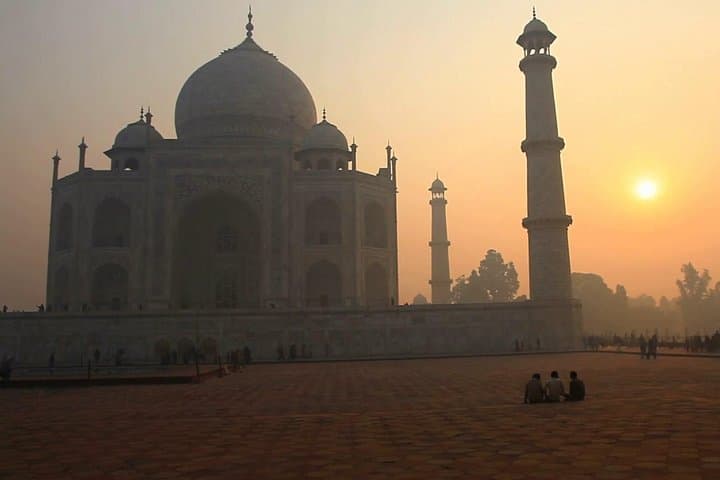
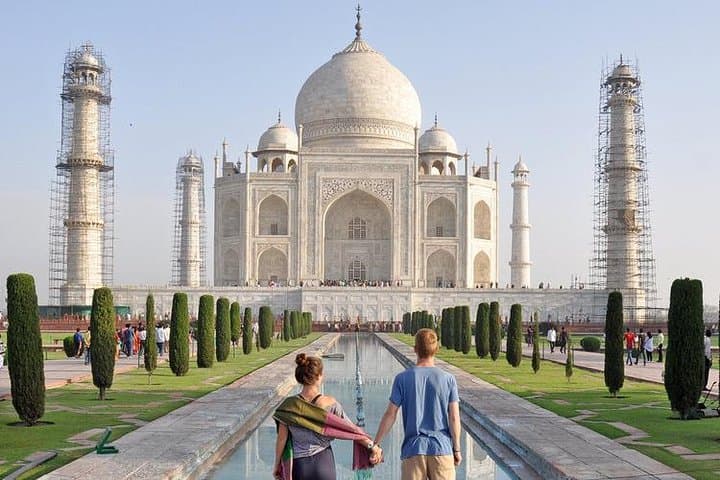
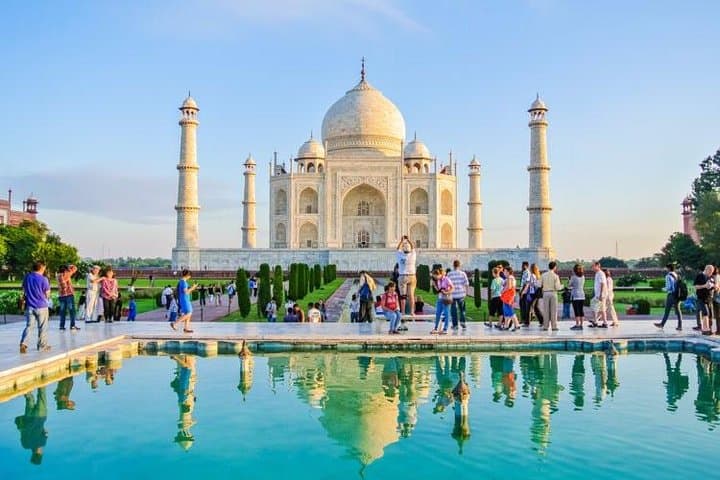

The highway unfurls at dawn as the Delhi skyline slips behind you and the flat plains of the Yamuna basin stretch ahead. By sunrise the Taj Mahal’s white marble appears like a living thing—cool stone warming to gold as light moves across its inlay—while the river dares the air with a slow, steady presence.
The highway unfurls at dawn as the Delhi skyline slips behind you and the flat plains of the Yamuna basin stretch ahead. By sunrise the Taj Mahal’s white marble appears like a living thing—cool stone warming to gold as light moves across its inlay—while the river dares the air with a slow, steady presence.
This private two-day itinerary pairs Mughal history with the practical rhythms of travel: Agra Fort’s red-sandstone ramparts (a fortress-cum-palace built under Akbar and Shah Jahan) and the Taj’s 17th-century pietra dura work reflect imperial ambitions and local stonecraft. Geologically, the region sits on alluvial floodplain; the Taj’s gleam comes from Makrana marble transported from Rajasthan, and the surrounding soil explains Agra’s low, flat profile.
Local culture shows up in market alleys—marble inlay workshops, petha sweet shops, and vendors who know the best sunrise vantage points. Guides explain inscriptions, etiquette at a UNESCO site, and the conservation challenges posed by air and river-borne pollution.
Practical guidance: the round trip from Delhi is roughly 230–250 km (about 4 hours each way); expect 3–5 km of walking across paved avenues and fort staircases, minimal elevation gain, and early starts for sunrise photography. Bring a lightweight layer for early-morning chill, sun protection for midday, and refillable water. Tickets and guided access speed movement through crowds; modest clothing and respectful behavior inside mausoleums are required. Plan for moderate fitness—long periods standing and stairs in Agra Fort—while allowing downtime to sample local cuisine and crafts between monuments.