THE ADVENTURE COLLECTIVE® · Independent discovery and booking for outdoor travel

Watch steam and sunrise collide above one of the highest geyser fields on Earth. This practical guide explains what to expect at Tatio Geysers—geology, culture, logistics and what to pack for a dawn tour from San Pedro de Atacama.
Watch steam and sunrise collide above one of the highest geyser fields on Earth. This practical guide explains what to expect at Tatio Geysers—geology, culture, logistics and what to pack for a dawn tour from San Pedro de Atacama.
Before dawn the desert exhales a cold that bites at exposed skin; steam rises like ghostly fingers from the ground as the first pale light of the Andes pries apart the night. At the Tatio Geysers, plumes burst from fumaroles and pools steam in columns that dare you to step closer, the geothermal breath of volcanic peaks nearby.
Verified experiences and guided adventures in the surrounding area.
Operated by Layana Travel · San Pedro de Atacama, Región de Antofagasta
Before dawn the desert exhales a cold that bites at exposed skin; steam rises like ghostly fingers from the ground as the first pale light of the Andes pries apart the night. At the Tatio Geysers, plumes burst from fumaroles and pools steam in columns that dare you to step closer, the geothermal breath of volcanic peaks nearby.
This high‑altitude field sits where recent volcanism and an arid climate collide—hot water forced through fractured rock and discharged across a hard, salt‑streaked plain. Indigenous Atacameño communities have long known these springs as places of ritual and resource; today small settlements like Machuca keep pastoral traditions alive while flocks of vicuña graze the puna.
Expect raw geology: silica terraces, mud pots, and steam vents that change with temperature and season. Wildlife concentrates around the limited water — look for flamingos on nearby wetlands and Andean fox prints along muddy margins. The site is fragile: follow guidelines, pay the park fee in cash, and minimize impact.
Practical side: tours depart from San Pedro de Atacama pre‑dawn and last about 6–7 hours including stops at Machuca and local wetlands. Altitude (4,200+ m) intensifies cold—layers, gloves, and a hat are nonnegotiable. Bring 1 L of water, sunglasses and sunscreen for high UV, and cash for the park entrance. Guides explain geyser mechanics, local ecology, and cultural context while you move between viewpoints; walking is short but on uneven, sometimes slippery ground. Time your visit for clear mornings; cloud cover dampens steam displays and limits views. With basic acclimatization and warm gear, sunrise at Tatio is an elemental, teachable spectacle of fire beneath ice.
moderate.
6–7 hours.
Light walking ability; must tolerate thin air at 4,200+ m and short uneven trails.
The entrance fee is paid in cash on arrival at the park (guidelines list CLP or USD); bring small bills—cards are not accepted at the gate.
The operator notes the tour is not recommended for pregnant travelers and children should be monitored closely due to cold and altitude; consult your provider about age limits.
Standard tours include a 2–3 hour viewing window at the geyser field plus stops at Machuca and wetlands; that allows multiple viewpoints and time for photos and explanations.
Clear, cold mornings (winter and shoulder seasons) produce the most dramatic steam plumes; summer can be warmer but may have more cloud cover in some years.
The geyser field formed where Andes volcanism meets groundwater; the Atacameño (Likan Antai) people have long used nearby springs for resources and local lore.
High‑altitude puna is fragile—stick to paths, pack out waste, and respect signage; entrance fees fund park management and protection.
Layana Travel operates guided outdoor trips and adventures with an emphasis on safety, stewardship, and memorable experiences.
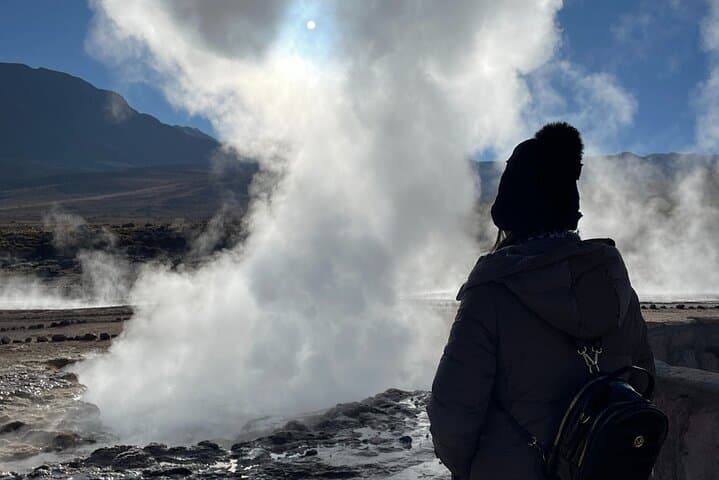
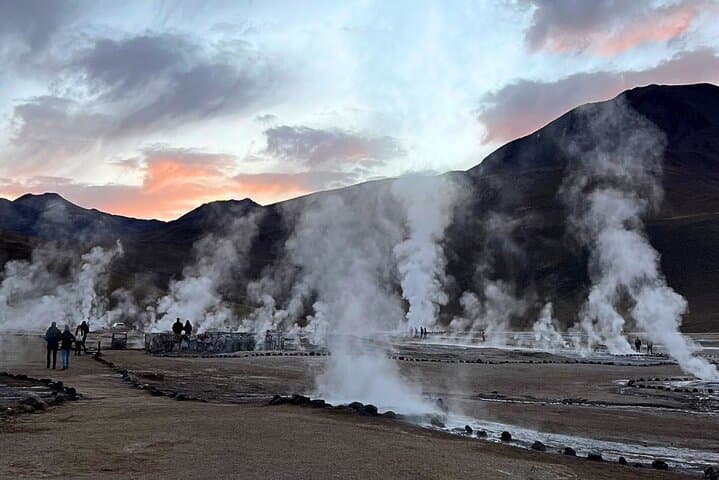
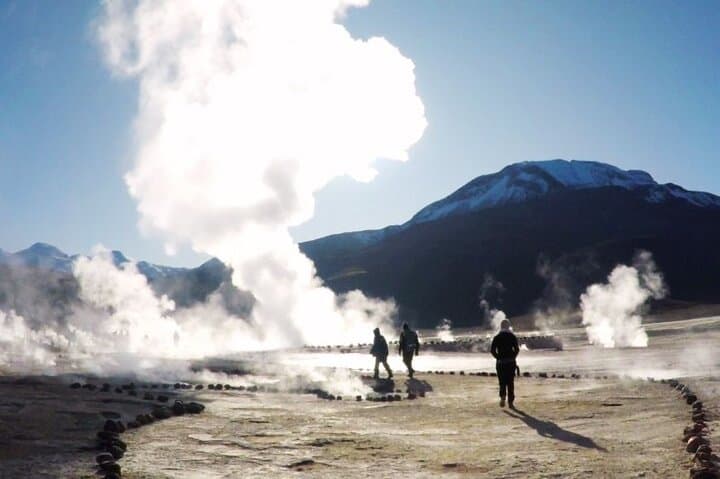
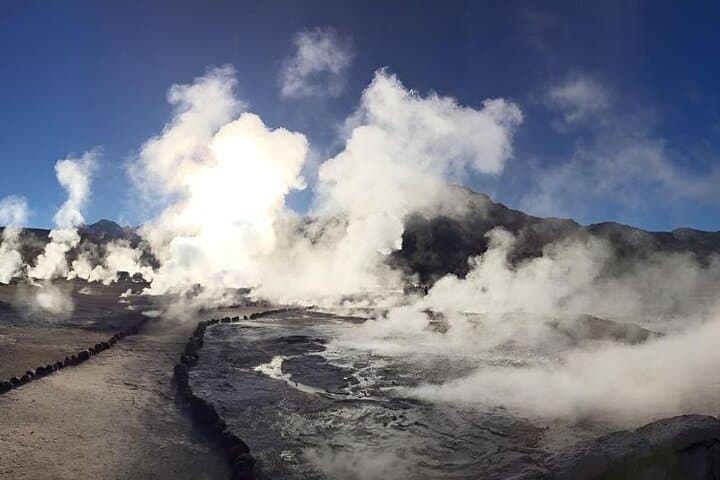
Before dawn the desert exhales a cold that bites at exposed skin; steam rises like ghostly fingers from the ground as the first pale light of the Andes pries apart the night. At the Tatio Geysers, plumes burst from fumaroles and pools steam in columns that dare you to step closer, the geothermal breath of volcanic peaks nearby.
Before dawn the desert exhales a cold that bites at exposed skin; steam rises like ghostly fingers from the ground as the first pale light of the Andes pries apart the night. At the Tatio Geysers, plumes burst from fumaroles and pools steam in columns that dare you to step closer, the geothermal breath of volcanic peaks nearby.
This high‑altitude field sits where recent volcanism and an arid climate collide—hot water forced through fractured rock and discharged across a hard, salt‑streaked plain. Indigenous Atacameño communities have long known these springs as places of ritual and resource; today small settlements like Machuca keep pastoral traditions alive while flocks of vicuña graze the puna.
Expect raw geology: silica terraces, mud pots, and steam vents that change with temperature and season. Wildlife concentrates around the limited water — look for flamingos on nearby wetlands and Andean fox prints along muddy margins. The site is fragile: follow guidelines, pay the park fee in cash, and minimize impact.
Practical side: tours depart from San Pedro de Atacama pre‑dawn and last about 6–7 hours including stops at Machuca and local wetlands. Altitude (4,200+ m) intensifies cold—layers, gloves, and a hat are nonnegotiable. Bring 1 L of water, sunglasses and sunscreen for high UV, and cash for the park entrance. Guides explain geyser mechanics, local ecology, and cultural context while you move between viewpoints; walking is short but on uneven, sometimes slippery ground. Time your visit for clear mornings; cloud cover dampens steam displays and limits views. With basic acclimatization and warm gear, sunrise at Tatio is an elemental, teachable spectacle of fire beneath ice.