THE ADVENTURE COLLECTIVE® · Independent discovery and booking for outdoor travel

Drive up to Sarangkot before dawn and watch the Annapurna range ignite: a short, weather-dependent outing that delivers one of Pokhara’s most reliable Himalayan sunrises. Clear skies and warm layers make this quick outing memorable.
Drive up to Sarangkot before dawn and watch the Annapurna range ignite: a short, weather-dependent outing that delivers one of Pokhara’s most reliable Himalayan sunrises. Clear skies and warm layers make this quick outing memorable.
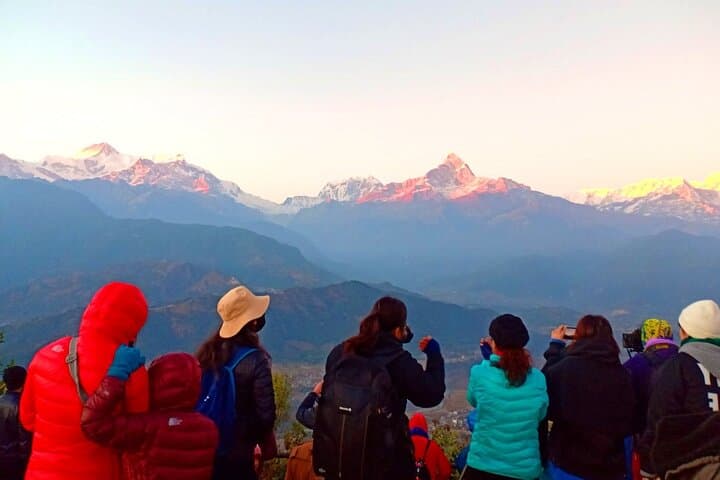
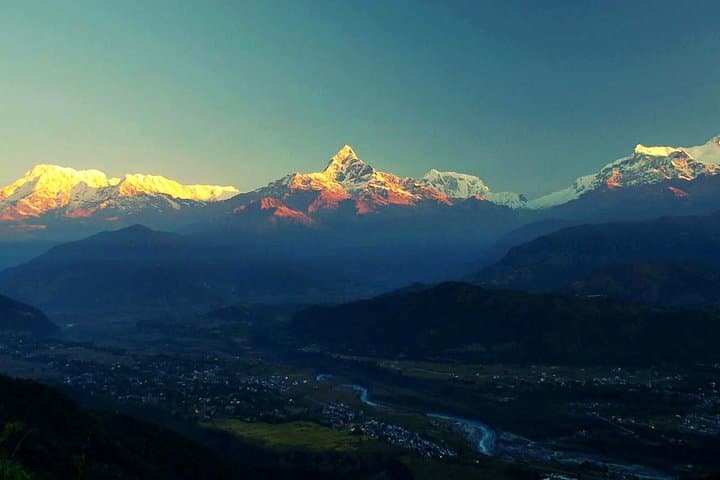
Before the sun clears the spine of the Himalaya, Sarangkot wakes in low light and quiet expectation. Drivers thread a short, steep road out of Pokhara; by the time you reach the ridge at 1,600 meters the valley below is a patchwork of sleeping roofs and mist. The first color hits the snowy crowns of Annapurna, Dhaulagiri and Machhapuchhre like a slow hand turning on the day.
Verified experiences and guided adventures in the surrounding area.
Operated by Breakfree Adventures Pvt. Ltd. · Pokhara, Gandaki Province
Before the sun clears the spine of the Himalaya, Sarangkot wakes in low light and quiet expectation. Drivers thread a short, steep road out of Pokhara; by the time you reach the ridge at 1,600 meters the valley below is a patchwork of sleeping roofs and mist. The first color hits the snowy crowns of Annapurna, Dhaulagiri and Machhapuchhre like a slow hand turning on the day.
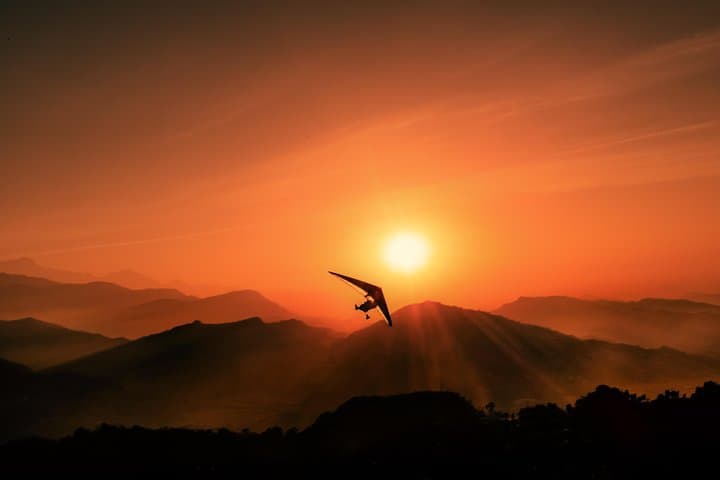
Sarangkot’s steep rise is geologically recent uplift—limestone and older sedimentary beds tilted by the collision of the Indian and Eurasian plates—creating a clean western rim over Pokhara Valley. Locally the hill has long been a vantage and launch point: farmers and traders used the high ground for signals, and today paragliders and sunrise-seekers use the same wind and views. You’ll feel the culture shift from lakeside town to alpine lookout: market stalls swap tea for thermoses, and guides check weather windows with quiet urgency.
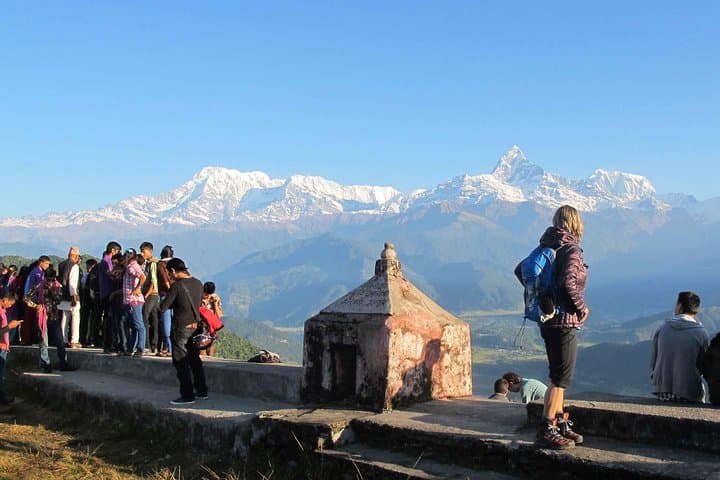
Practical matters: tours are short (roughly 2–3 hours including transfers), often include hotel pickup, and depend on clear skies—clouds can hide peaks until mid-morning. Expect cool pre-dawn winds; layers, a headlamp for the walk to the viewpoint, and a charged camera or binoculars make the difference between a good sunrise and a great one. Arrive early to claim space on the stone viewing ledges, and give paragliders room at the launch zone. The scene rewards simple preparation: steady footing, dry gear, and patience as the mountains decide how they will reveal themselves.
easy.
2–3 hours.
Suitable for most fitness levels; involves short vehicle transfer and a brief walk to viewing ledges
It’s typically a 20–30 minute drive from central Pokhara, depending on traffic and your hotel’s location.
Tours depend on favorable weather; clouds can obscure the peaks and operators may still run transfers but visibility may be limited.
Sarangkot is popular—arrive early to secure a spot on the viewing ledges, especially during peak season.
Many tours include hotel pickup and an English-speaking guide; check the booking specifics before confirming.
Sarangkot has long been a strategic vantage above Pokhara used historically for observation and local signaling; the ridge now serves tourism and recreational aviation.
Stick to designated viewing areas, pack out all litter, and support local guides to help maintain trails and reduce informal footpath erosion.
Breakfree Adventures Pvt. Ltd. operates guided outdoor trips and adventures with an emphasis on safety, stewardship, and memorable experiences.
Before the sun clears the spine of the Himalaya, Sarangkot wakes in low light and quiet expectation. Drivers thread a short, steep road out of Pokhara; by the time you reach the ridge at 1,600 meters the valley below is a patchwork of sleeping roofs and mist. The first color hits the snowy crowns of Annapurna, Dhaulagiri and Machhapuchhre like a slow hand turning on the day.
Before the sun clears the spine of the Himalaya, Sarangkot wakes in low light and quiet expectation. Drivers thread a short, steep road out of Pokhara; by the time you reach the ridge at 1,600 meters the valley below is a patchwork of sleeping roofs and mist. The first color hits the snowy crowns of Annapurna, Dhaulagiri and Machhapuchhre like a slow hand turning on the day.
Sarangkot’s steep rise is geologically recent uplift—limestone and older sedimentary beds tilted by the collision of the Indian and Eurasian plates—creating a clean western rim over Pokhara Valley. Locally the hill has long been a vantage and launch point: farmers and traders used the high ground for signals, and today paragliders and sunrise-seekers use the same wind and views. You’ll feel the culture shift from lakeside town to alpine lookout: market stalls swap tea for thermoses, and guides check weather windows with quiet urgency.
Practical matters: tours are short (roughly 2–3 hours including transfers), often include hotel pickup, and depend on clear skies—clouds can hide peaks until mid-morning. Expect cool pre-dawn winds; layers, a headlamp for the walk to the viewpoint, and a charged camera or binoculars make the difference between a good sunrise and a great one. Arrive early to claim space on the stone viewing ledges, and give paragliders room at the launch zone. The scene rewards simple preparation: steady footing, dry gear, and patience as the mountains decide how they will reveal themselves.