THE ADVENTURE COLLECTIVE® · Independent discovery and booking for outdoor travel

Leave Beijing in the early hours for a private transfer to Panlongshan or Wolongshan and watch the sun roll across unrestored Ming‑dynasty stone. This private trip pairs dramatic sunrise photos with a self‑guided hike along a raw section of the Great Wall.
Leave Beijing in the early hours for a private transfer to Panlongshan or Wolongshan and watch the sun roll across unrestored Ming‑dynasty stone. This private trip pairs dramatic sunrise photos with a self‑guided hike along a raw section of the Great Wall.
The car eases out of Beijing before dawn, the city lights receding as the driver threads quiet highway toward the fractured ridgeline of the Great Wall. By the time you step from the vehicle the air is sharp and the stones hold the night's cool; the horizon brightens and the Wall—raw, unrestored—stands like an old spine cutting across hills. Watching the sun lift over Panlongshan or Wolongshan feels deliberate: the light pushes across crenellations and shadows slip down towers, giving a private, cinematic opening to a self-guided hike.
Verified experiences and guided adventures in the surrounding area.
Operated by Beijing Driver Guide Service · Beijing, Beijing
The car eases out of Beijing before dawn, the city lights receding as the driver threads quiet highway toward the fractured ridgeline of the Great Wall. By the time you step from the vehicle the air is sharp and the stones hold the night's cool; the horizon brightens and the Wall—raw, unrestored—stands like an old spine cutting across hills. Watching the sun lift over Panlongshan or Wolongshan feels deliberate: the light pushes across crenellations and shadows slip down towers, giving a private, cinematic opening to a self-guided hike.
These sectors lie between Jinshanling and Gubeikou and include Ming‑Dynasty masonry that hasn’t been rebuilt for tourism. Geologically the range is folded granite and schist, weathered into uneven steps and loose mortar in places; culturally, the Wall here reads as defensive architecture more than spectacle—watchtowers set to signal and choke points built into narrow passes. Local villages still tend small fields below, and you’ll see shepherd dogs and early farmers beginning their day.
Practically: plan a 2‑hour drive each way from central Beijing and reserve the earliest pickup if sunrise is your goal. Expect 2–4 miles of walking on uneven stone with occasional steep pitches; bring a headlamp for pre-dawn navigation, layered clothing for rapidly changing temperatures, and sturdy footwear with good traction. The transfer includes round-trip transport and bottled water; drivers can point out trailheads but this is a self-guided outing—leave time for photography and to descend before roads refill with midday traffic.
moderate.
8–9 hours.
Suitable for travelers with moderate fitness—able to hike 2–4 miles on uneven stone and climb short steep sections.
Pickup time is arranged when you book—choose between 3:00am and 6:00am; for sunrise select the earliest time compatible with your hotel location.
No—the driver escorts you to the Wall and can show the ascent route, but the time on the Wall is self‑guided.
Facilities are limited near these unrestored sections; use hotel restrooms before departure and plan accordingly.
You can request one but it’s not guaranteed; drivers typically know the route and will contact the local operator if assistance is needed.
Panlongshan and Wolongshan sections retain Ming‑dynasty construction features and served as part of a defensive network between Jinshanling and Gubeikou.
These unrestored stretches are fragile—stay on established routes, avoid removing stones, and pack out all trash to reduce erosion and preserve historic fabric.
Beijing Driver Guide Service operates guided outdoor trips and adventures with an emphasis on safety, stewardship, and memorable experiences.
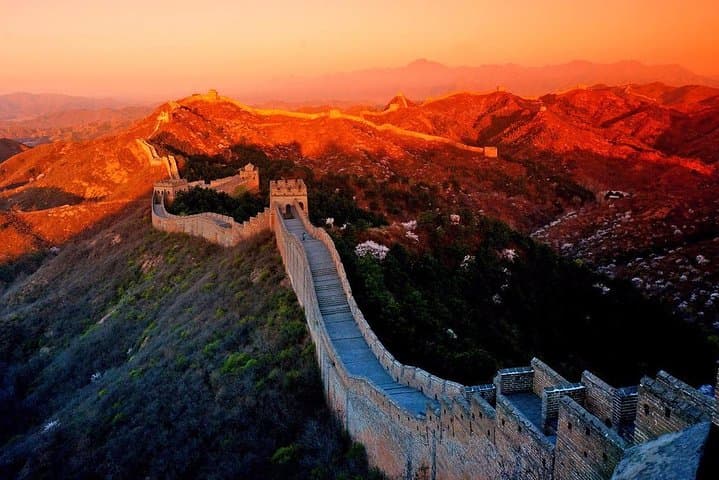
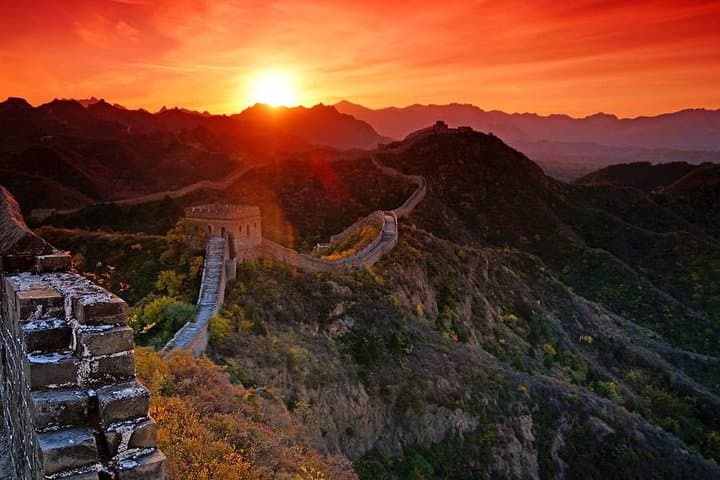
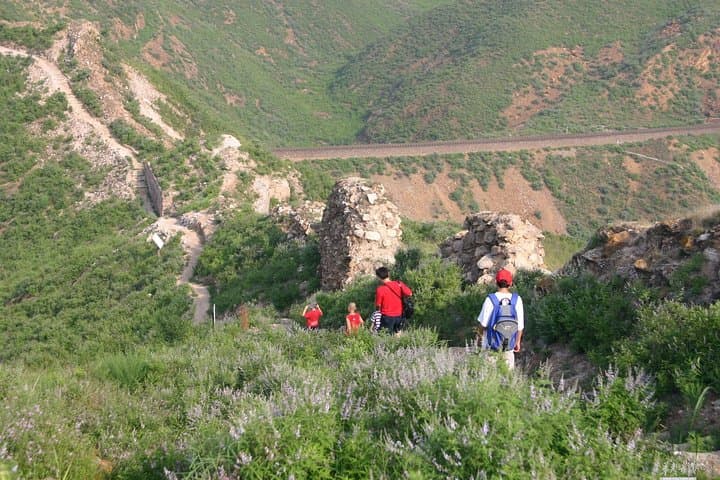
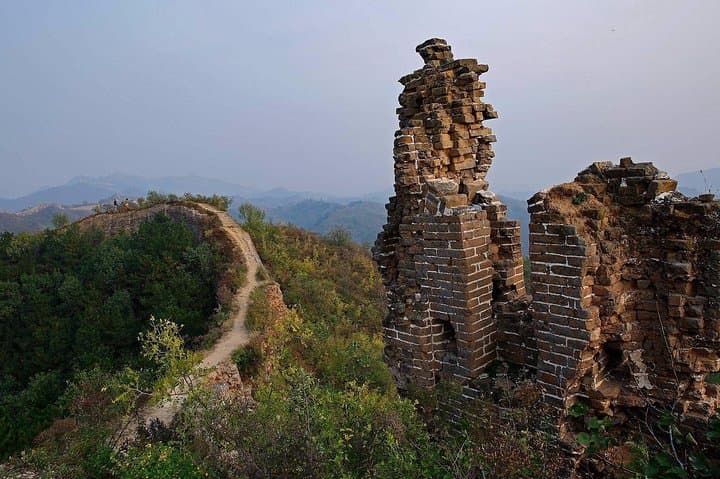
The car eases out of Beijing before dawn, the city lights receding as the driver threads quiet highway toward the fractured ridgeline of the Great Wall. By the time you step from the vehicle the air is sharp and the stones hold the night's cool; the horizon brightens and the Wall—raw, unrestored—stands like an old spine cutting across hills. Watching the sun lift over Panlongshan or Wolongshan feels deliberate: the light pushes across crenellations and shadows slip down towers, giving a private, cinematic opening to a self-guided hike.
The car eases out of Beijing before dawn, the city lights receding as the driver threads quiet highway toward the fractured ridgeline of the Great Wall. By the time you step from the vehicle the air is sharp and the stones hold the night's cool; the horizon brightens and the Wall—raw, unrestored—stands like an old spine cutting across hills. Watching the sun lift over Panlongshan or Wolongshan feels deliberate: the light pushes across crenellations and shadows slip down towers, giving a private, cinematic opening to a self-guided hike.
These sectors lie between Jinshanling and Gubeikou and include Ming‑Dynasty masonry that hasn’t been rebuilt for tourism. Geologically the range is folded granite and schist, weathered into uneven steps and loose mortar in places; culturally, the Wall here reads as defensive architecture more than spectacle—watchtowers set to signal and choke points built into narrow passes. Local villages still tend small fields below, and you’ll see shepherd dogs and early farmers beginning their day.
Practically: plan a 2‑hour drive each way from central Beijing and reserve the earliest pickup if sunrise is your goal. Expect 2–4 miles of walking on uneven stone with occasional steep pitches; bring a headlamp for pre-dawn navigation, layered clothing for rapidly changing temperatures, and sturdy footwear with good traction. The transfer includes round-trip transport and bottled water; drivers can point out trailheads but this is a self-guided outing—leave time for photography and to descend before roads refill with midday traffic.