THE ADVENTURE COLLECTIVE® · Independent discovery and booking for outdoor travel

Catch sunrise on Mount Fuji with a private morning tour to Lake Kawaguchiko and the 5th Station. This short, early trip pairs iconic viewpoints with practical tips for photography and high-altitude comfort.
Catch sunrise on Mount Fuji with a private morning tour to Lake Kawaguchiko and the 5th Station. This short, early trip pairs iconic viewpoints with practical tips for photography and high-altitude comfort.
Before the first train from Tokyo, the tour van slips through sleeping towns and climbs toward the mountain. At dawn the ridgeline becomes a silhouette and light creeps over the crater rim; reflections on Kawaguchiko flicker like a slow mirror. You stand where wind and water set the scene — Chureito Pagoda and lakeside viewpoints offer different frames on Fuji’s near-perfect cone.
Verified experiences and guided adventures in the surrounding area.
Operated by Mogambo Tours · Fujikawaguchiko, Yamanashi
Before the first train from Tokyo, the tour van slips through sleeping towns and climbs toward the mountain. At dawn the ridgeline becomes a silhouette and light creeps over the crater rim; reflections on Kawaguchiko flicker like a slow mirror. You stand where wind and water set the scene — Chureito Pagoda and lakeside viewpoints offer different frames on Fuji’s near-perfect cone.
Geology here is blunt and immediate: a stratovolcano shaped by repeated eruptions and glaciers, its layered shoulders telling of Pleistocene ice and more recent volcanic cycles. Culturally, Fuji has been a pilgrimage objective for centuries; shrines around the 5th Station mark the mountain’s spiritual role while hot-spring towns grew to serve travelers seeking respite. The Fuji Five Lakes region developed as a scenic counterpoint to Tokyo’s urban grid, its towns serving photographers, onsen-goers, and walkers.
Practical guidance: expect cold air and swift light changes around sunrise — layers, windproof jackets and a headlamp for pre-dawn moves are musts. Altitude at the 5th Station (~2,300 m) can make breathing feel brisk; move deliberately and hydrate. Time your shots: 20–30 minutes after sunrise often gives the best alpenglow. Facilities and cafés open later in the morning; carry snacks if you plan an early vantage.
Getting there involves an early pickup or private transfer from Tokyo; public transport exists but requires careful timing. Respect local customs at shrines, pack out trash, and keep to designated paths to protect fragile alpine vegetation. Sunrise here is active weather; clear mornings reward patience with some of Japan’s clearest mountain vistas.
moderate.
6 hours.
Suitable for most people with basic fitness; expect short walks on uneven ground and time at altitude.
Pickup times vary, but expect a very early departure (often before 4:00–5:00 AM) to reach viewpoints before sunrise.
Road access can be limited in winter due to snow; most tours go to the Fuji Subaru Line 5th Station outside peak winter closures.
No technical hiking skills are required; the tour includes short, mostly level walks suitable for most fitness levels.
Basic shops and restrooms exist at the 5th Station and around Kawaguchiko, but many open later in the morning—bring snacks for early starts.
Mount Fuji has been a sacred mountain and pilgrimage destination for centuries; the Fuji Five Lakes developed into scenic and onsen resorts during the Meiji and Taisho eras.
Stick to marked trails and carry out waste—alpine flora around the 5th Station is fragile, and local authorities manage visitor numbers to reduce erosion.
Mogambo Tours operates guided outdoor trips and adventures with an emphasis on safety, stewardship, and memorable experiences.
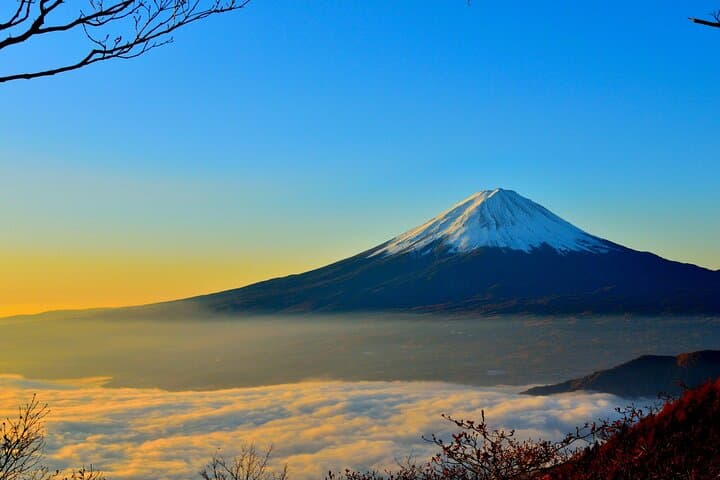
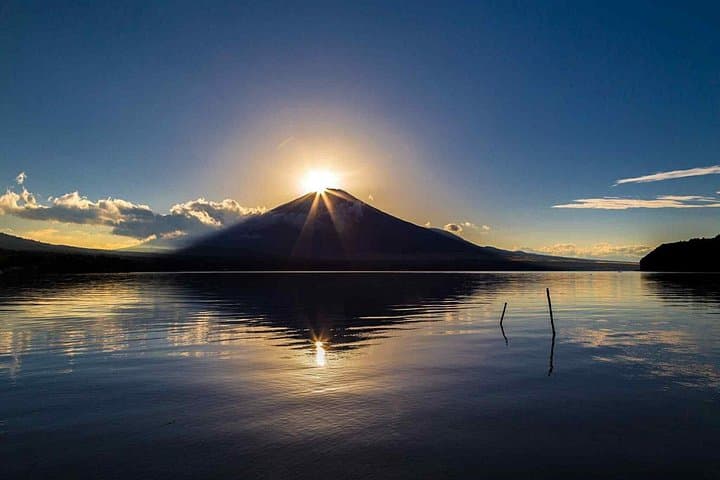
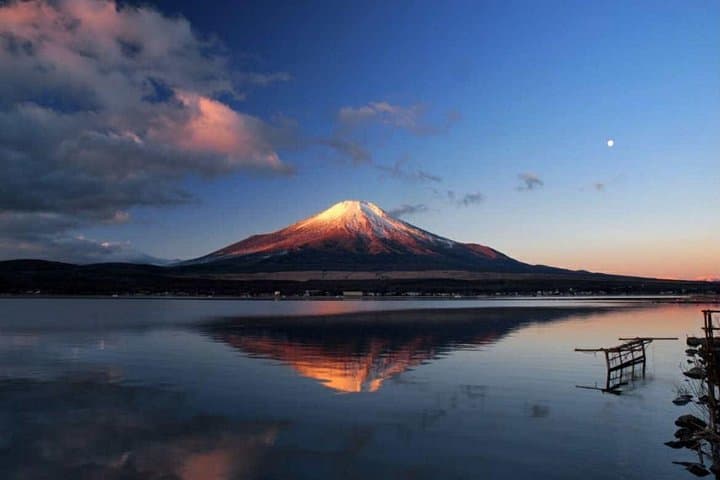
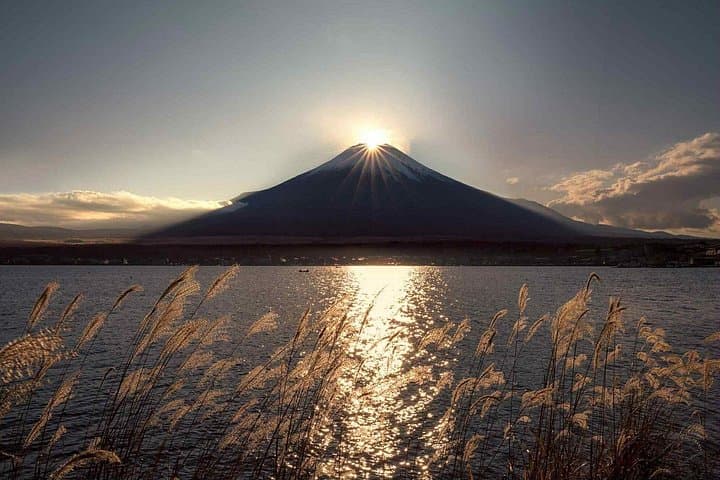
Before the first train from Tokyo, the tour van slips through sleeping towns and climbs toward the mountain. At dawn the ridgeline becomes a silhouette and light creeps over the crater rim; reflections on Kawaguchiko flicker like a slow mirror. You stand where wind and water set the scene — Chureito Pagoda and lakeside viewpoints offer different frames on Fuji’s near-perfect cone.
Before the first train from Tokyo, the tour van slips through sleeping towns and climbs toward the mountain. At dawn the ridgeline becomes a silhouette and light creeps over the crater rim; reflections on Kawaguchiko flicker like a slow mirror. You stand where wind and water set the scene — Chureito Pagoda and lakeside viewpoints offer different frames on Fuji’s near-perfect cone.
Geology here is blunt and immediate: a stratovolcano shaped by repeated eruptions and glaciers, its layered shoulders telling of Pleistocene ice and more recent volcanic cycles. Culturally, Fuji has been a pilgrimage objective for centuries; shrines around the 5th Station mark the mountain’s spiritual role while hot-spring towns grew to serve travelers seeking respite. The Fuji Five Lakes region developed as a scenic counterpoint to Tokyo’s urban grid, its towns serving photographers, onsen-goers, and walkers.
Practical guidance: expect cold air and swift light changes around sunrise — layers, windproof jackets and a headlamp for pre-dawn moves are musts. Altitude at the 5th Station (~2,300 m) can make breathing feel brisk; move deliberately and hydrate. Time your shots: 20–30 minutes after sunrise often gives the best alpenglow. Facilities and cafés open later in the morning; carry snacks if you plan an early vantage.
Getting there involves an early pickup or private transfer from Tokyo; public transport exists but requires careful timing. Respect local customs at shrines, pack out trash, and keep to designated paths to protect fragile alpine vegetation. Sunrise here is active weather; clear mornings reward patience with some of Japan’s clearest mountain vistas.