THE ADVENTURE COLLECTIVE® · Independent discovery and booking for outdoor travel

Climb stone stairs into Buddhist caverns, watch artisans at work and catch a sunrise that lights five marble hills. This half-day tour mixes geology, living craft and accessible viewpoints—perfect for an early-morning cultural escape from Da Nang or Hoi An.
Climb stone stairs into Buddhist caverns, watch artisans at work and catch a sunrise that lights five marble hills. This half-day tour mixes geology, living craft and accessible viewpoints—perfect for an early-morning cultural escape from Da Nang or Hoi An.
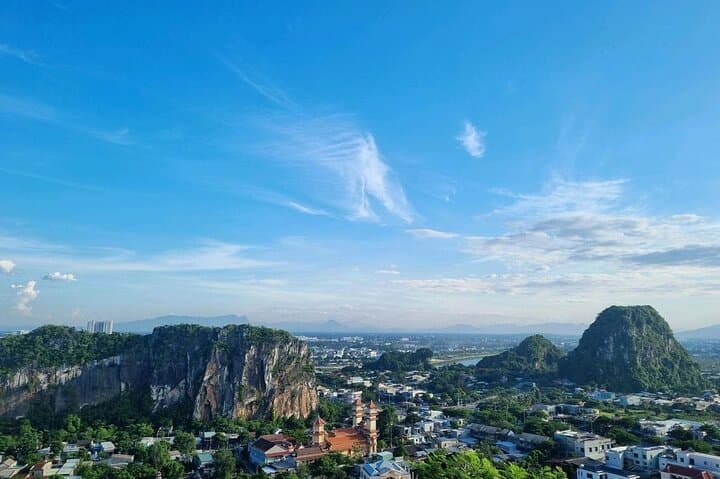
You arrive before the city wakes, the first light catching the pale faces of five low marble-and-limestone hills that rise from coastal plains.
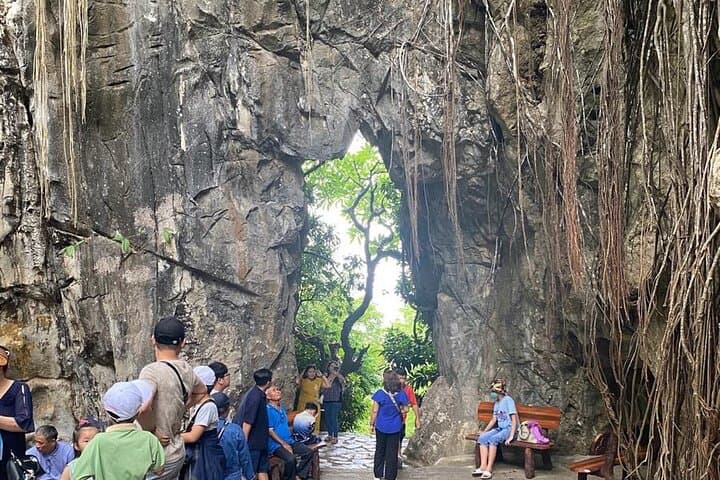
A short climb of stone stairs moves you through cool grottoes and carved pagodas; the sea smells faint and the morning breeze pushes past carved openings as if urging you higher.
Verified experiences and guided adventures in the surrounding area.
Operated by Happy Tour · Da Nang, Da Nang
You arrive before the city wakes, the first light catching the pale faces of five low marble-and-limestone hills that rise from coastal plains.
A short climb of stone stairs moves you through cool grottoes and carved pagodas; the sea smells faint and the morning breeze pushes past carved openings as if urging you higher.
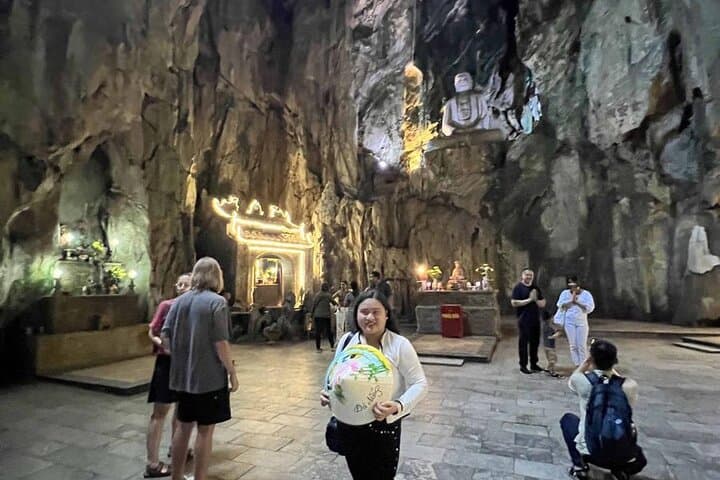
Ngu Hanh Son—the Marble Mountains—are five distinct hills named for the elements: Kim (metal), Moc (wood), Thuy (water), Hoa (fire) and Tho (earth). Formed by limestone uplift and local marble veins, the outcrops hold caves, Buddhist sanctuaries and Hindu grottoes carved over centuries, while Tam Thai and Linh Ung pagodas continue to draw daily devotees.
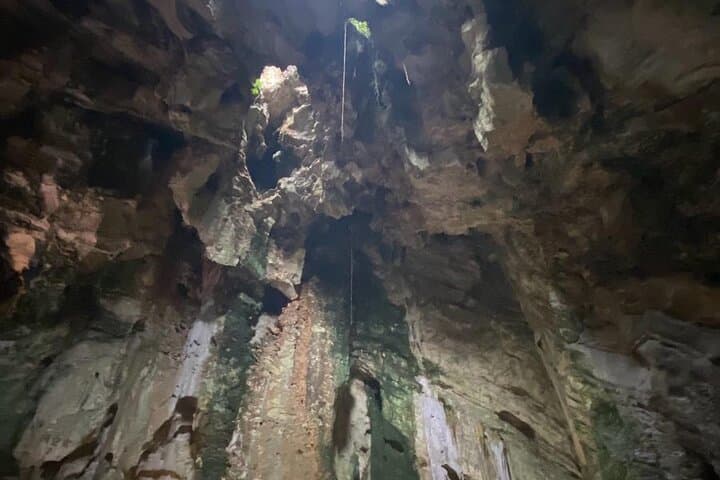
Below the peaks, Non Nuoc Stone Sculpture Village keeps a living craft tradition: workshops shape raw marble into statues, household pieces and architectural accents that have supplied the region for generations. Geological folds and karst cavities give the site its caves—Huyen Khong and Am Phu among them—where light and shadow make simple stone feel theatrical.
Practical note: the route includes many stairs and steep passages but stays short—expect roughly 2–3 hours for a guided visit (the standard tour runs about 150 minutes). Wear sturdy shoes, carry water, and dress modestly for pagodas. Early mornings bring cooler air and fewer crowds; bring a light rain layer in monsoon season. Entrance fees and an English-speaking guide are typically included, and pickups from Hoi An or Da Nang are common on shared tours.
The Marble Mountains combine accessible climbing, cultural depth and hands-on craft culture—an efficient, atmospheric half-day that rewards modest exertion with layered views and quiet sanctuaries.
easy.
2–3 hours.
Basic walking fitness; able to climb several flights of stairs and short uneven sections
The typical guided visit lasts about 2–3 hours (this tour runs roughly 150 minutes including transport and stops).
They require stair climbing and some uneven footing but are suitable for most fitness levels; not recommended for those with serious spinal issues.
Yes, standard group tours generally include the entrance fee and an English-speaking guide as part of the package.
Yes—Non Nuoc Stone Sculpture Village workshops at the mountain base are commonly included or available to visit; you can watch artisans and purchase pieces.
The Marble Mountains have been a spiritual and quarrying site for centuries; Buddhist and Hindu grottoes were carved into natural caverns while local marble has supplied artisans for generations.
Some areas were historically quarried; visitors help conservation by staying on marked paths, buying from local craftsmen and avoiding souvenir trade in illegal or unregulated stone.
Happy Tour operates guided outdoor trips and adventures with an emphasis on safety, stewardship, and memorable experiences.
You arrive before the city wakes, the first light catching the pale faces of five low marble-and-limestone hills that rise from coastal plains.
A short climb of stone stairs moves you through cool grottoes and carved pagodas; the sea smells faint and the morning breeze pushes past carved openings as if urging you higher.
You arrive before the city wakes, the first light catching the pale faces of five low marble-and-limestone hills that rise from coastal plains.
A short climb of stone stairs moves you through cool grottoes and carved pagodas; the sea smells faint and the morning breeze pushes past carved openings as if urging you higher.
Ngu Hanh Son—the Marble Mountains—are five distinct hills named for the elements: Kim (metal), Moc (wood), Thuy (water), Hoa (fire) and Tho (earth). Formed by limestone uplift and local marble veins, the outcrops hold caves, Buddhist sanctuaries and Hindu grottoes carved over centuries, while Tam Thai and Linh Ung pagodas continue to draw daily devotees.
Below the peaks, Non Nuoc Stone Sculpture Village keeps a living craft tradition: workshops shape raw marble into statues, household pieces and architectural accents that have supplied the region for generations. Geological folds and karst cavities give the site its caves—Huyen Khong and Am Phu among them—where light and shadow make simple stone feel theatrical.
Practical note: the route includes many stairs and steep passages but stays short—expect roughly 2–3 hours for a guided visit (the standard tour runs about 150 minutes). Wear sturdy shoes, carry water, and dress modestly for pagodas. Early mornings bring cooler air and fewer crowds; bring a light rain layer in monsoon season. Entrance fees and an English-speaking guide are typically included, and pickups from Hoi An or Da Nang are common on shared tours.
The Marble Mountains combine accessible climbing, cultural depth and hands-on craft culture—an efficient, atmospheric half-day that rewards modest exertion with layered views and quiet sanctuaries.