THE ADVENTURE COLLECTIVE® · Independent discovery and booking for outdoor travel

Sleep in Aguas Calientes and arrive pre-dawn at Machu Picchu to watch mist peel off terraces and temples. This two-day train tour combines Sacred Valley archaeology with a sunrise guided visit to the Inca citadel.
Sleep in Aguas Calientes and arrive pre-dawn at Machu Picchu to watch mist peel off terraces and temples. This two-day train tour combines Sacred Valley archaeology with a sunrise guided visit to the Inca citadel.
Dawn breaks over the Andes as the train threads the Urubamba River canyon and the valley opens into terraces and stone towns. Travelers leave Cusco’s high streets (about 3,400 m) for the gentler air of the Sacred Valley, dropping roughly 457 meters on the road toward Pisac, where markets and hilltop Inca platforms stand like timeworn maps of pre-Columbian life.
Verified experiences and guided adventures in the surrounding area.
Operated by Inversiones Andean Fusion Sociedad Anonima Cerrada - Inanfu S.A.C. · Aguas Calientes, Cusco
Dawn breaks over the Andes as the train threads the Urubamba River canyon and the valley opens into terraces and stone towns. Travelers leave Cusco’s high streets (about 3,400 m) for the gentler air of the Sacred Valley, dropping roughly 457 meters on the road toward Pisac, where markets and hilltop Inca platforms stand like timeworn maps of pre-Columbian life.
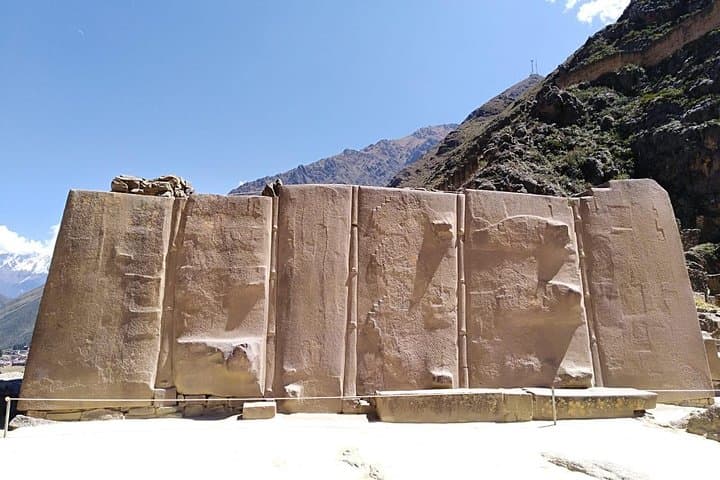
The route is history written in stone: finely cut Inca masonry at Ollantaytambo, agricultural terraces clinging to volcanic slopes, and the citadel of Machu Picchu perched at ~2,430 m, where sunrise slices through mist and reveals plazas, temples and the jagged silhouette of Huayna Picchu. Geology here is active — the valley follows faulted river corridors carved into volcanic and sedimentary bedrock — and culture remains immediate in Quechua-speaking markets and fermented chicha sold at village stalls.
Practical guidance is direct: allow 24–48 hours in Cusco to acclimatize to altitude before departure, travel light to Aguas Calientes (overnight bag recommended), and book Huayna Picchu tickets in advance if desired. Expect several hours of walking on uneven stone stairways and 2–3 hours for the guided Machu Picchu circuit. Weather can shift quickly — mornings are cold and clear in the dry season, afternoons warmer but subject to showers in the wet months. Carry water, sunscreen, a rain layer, and sturdy walking shoes; passport is required for entry. With modest fitness and sensible planning, the two-day format delivers sunrise views, living history, and a compact immersion into one of the Andes’ most compelling landscapes.
moderate.
2 days.
Moderate fitness: able to walk on uneven stone stairways for several hours and tolerate altitude changes
Yes—spend at least 24 hours in Cusco or the Sacred Valley to reduce altitude sickness risk; drink water, rest, and avoid alcohol prior to departure.
The tour includes a guided Machu Picchu visit and entrance to the citadel; Huayna Picchu is optional and requires a separate permit and extra cost.
Bring a small bag with a change of clothes, toiletries, a warm layer for early morning, and any medications; larger luggage can stay in Cusco or hotel storage.
Yes—mobile or paper tickets are accepted, but passport details must match the booking and will be checked at entry.
The Sacred Valley was central to Inca agriculture and ceremony; Ollantaytambo served as both administrative center and military stronghold against Spanish advances.
Visitor limits at Machu Picchu and Huayna Picchu exist to reduce erosion and cultural wear; stick to marked paths and avoid feeding wildlife.
Inversiones Andean Fusion Sociedad Anonima Cerrada - Inanfu S.A.C. operates guided outdoor trips and adventures with an emphasis on safety, stewardship, and memorable experiences.



Dawn breaks over the Andes as the train threads the Urubamba River canyon and the valley opens into terraces and stone towns. Travelers leave Cusco’s high streets (about 3,400 m) for the gentler air of the Sacred Valley, dropping roughly 457 meters on the road toward Pisac, where markets and hilltop Inca platforms stand like timeworn maps of pre-Columbian life.
Dawn breaks over the Andes as the train threads the Urubamba River canyon and the valley opens into terraces and stone towns. Travelers leave Cusco’s high streets (about 3,400 m) for the gentler air of the Sacred Valley, dropping roughly 457 meters on the road toward Pisac, where markets and hilltop Inca platforms stand like timeworn maps of pre-Columbian life.
The route is history written in stone: finely cut Inca masonry at Ollantaytambo, agricultural terraces clinging to volcanic slopes, and the citadel of Machu Picchu perched at ~2,430 m, where sunrise slices through mist and reveals plazas, temples and the jagged silhouette of Huayna Picchu. Geology here is active — the valley follows faulted river corridors carved into volcanic and sedimentary bedrock — and culture remains immediate in Quechua-speaking markets and fermented chicha sold at village stalls.
Practical guidance is direct: allow 24–48 hours in Cusco to acclimatize to altitude before departure, travel light to Aguas Calientes (overnight bag recommended), and book Huayna Picchu tickets in advance if desired. Expect several hours of walking on uneven stone stairways and 2–3 hours for the guided Machu Picchu circuit. Weather can shift quickly — mornings are cold and clear in the dry season, afternoons warmer but subject to showers in the wet months. Carry water, sunscreen, a rain layer, and sturdy walking shoes; passport is required for entry. With modest fitness and sensible planning, the two-day format delivers sunrise views, living history, and a compact immersion into one of the Andes’ most compelling landscapes.