THE ADVENTURE COLLECTIVE® · Independent discovery and booking for outdoor travel

Pack two days of highland culture and engineering into a single, paced loop from Cusco: market mornings in Pisac, Inca stonework at Ollantaytambo, and a pre-dawn arrival at Machu Picchu for sunrise over the Urubamba gorge. Practical logistics and advance tickets make the difference between a rushed visit and a memorable one.
Pack two days of highland culture and engineering into a single, paced loop from Cusco: market mornings in Pisac, Inca stonework at Ollantaytambo, and a pre-dawn arrival at Machu Picchu for sunrise over the Urubamba gorge. Practical logistics and advance tickets make the difference between a rushed visit and a memorable one.
Before dawn the Urubamba Valley exhales mist from between stepped fields and stonework older than most maps. Your first day rolls down from Cusco over high passes into Pisac’s sun-browned market, then past terraced ruins and the river that still pushes its way through the Sacred Valley. A late-afternoon train threads a narrow gorge to Aguas Calientes, where hot springs and highland air prepare you for the next morning’s climb.
Verified experiences and guided adventures in the surrounding area.
Operated by Samex Tours Perú Travel Agency · Aguas Calientes, Cusco
Before dawn the Urubamba Valley exhales mist from between stepped fields and stonework older than most maps. Your first day rolls down from Cusco over high passes into Pisac’s sun-browned market, then past terraced ruins and the river that still pushes its way through the Sacred Valley. A late-afternoon train threads a narrow gorge to Aguas Calientes, where hot springs and highland air prepare you for the next morning’s climb.
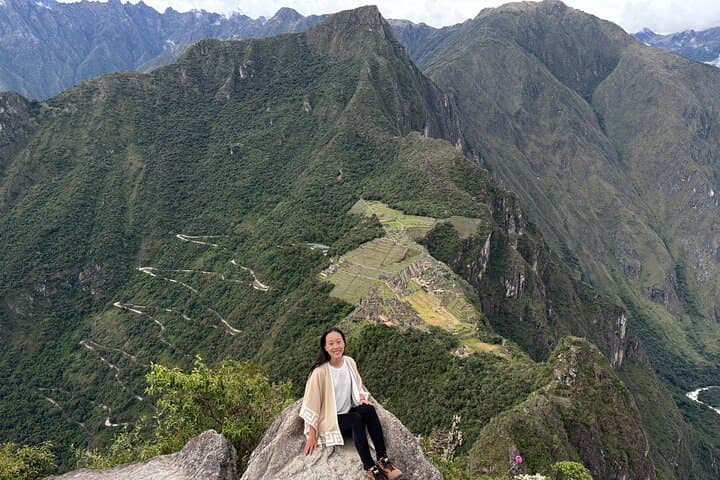
This two-day itinerary pairs living Quechua culture with the engineering of the Inca: Pisac and Ollantaytambo reveal trapezoidal doorways and terraces built into volcanic and sedimentary slopes, while Machu Picchu—constructed in the 15th century—sits on a granite spine above the Urubamba, watching weather and walkers alike. Local guides explain agricultural calendars, dry-stone construction, and the mountain worship that shaped settlement patterns here.
Practicalities matter: the train from Ollantaytambo is about 1.5 hours; Aguas Calientes sits near 2,040 m and Machu Picchu at roughly 2,430 m, so expect a steady 350–450 m ascent by shuttle or on foot. Sunrise windows fill early—book permits and train tickets in advance, and schedule buffer time for the bus line up to the ruins. Weather can change from warm sun to heavy rain within an hour; dress in layers, carry water, and wear grippy shoes for stonework and wet steps. The guided tour typically covers 2–3 hours on-site with additional free time to explore terraces, the Intihuatana area, or short hikes to viewpoints.
For travelers short on time, this compact loop delivers culture, geology, and the moment when morning light pushes across one of the world’s great archaeological sites.
moderate.
2 days.
Suitable for travelers with average fitness able to walk 2–4 hours on uneven stone paths and handle short uphill sections.
Yes; entry is limited and sunrise time-slots sell out. Purchase tickets and train reservations well before travel dates.
The main archaeological circuit involves uneven steps and short steep sections but is manageable for most; some viewpoints require additional uphill hiking.
The tour is commonly offered to varied ages; acclimatization and mobility should be considered—inform your operator of special needs during booking.
Train schedules and classes can often be upgraded subject to availability; changes are handled through the operator or train company prior to travel.
Machu Picchu was built by the Incas in the 15th century and likely served ceremonial and administrative roles tied to royal estates and mountain worship.
Visitor limits, designated circuits, and shuttle controls aim to reduce wear on fragile terraces and trails; support local guides and follow Leave No Trace practices.
Samex Tours Perú Travel Agency operates guided outdoor trips and adventures with an emphasis on safety, stewardship, and memorable experiences.

Before dawn the Urubamba Valley exhales mist from between stepped fields and stonework older than most maps. Your first day rolls down from Cusco over high passes into Pisac’s sun-browned market, then past terraced ruins and the river that still pushes its way through the Sacred Valley. A late-afternoon train threads a narrow gorge to Aguas Calientes, where hot springs and highland air prepare you for the next morning’s climb.
Before dawn the Urubamba Valley exhales mist from between stepped fields and stonework older than most maps. Your first day rolls down from Cusco over high passes into Pisac’s sun-browned market, then past terraced ruins and the river that still pushes its way through the Sacred Valley. A late-afternoon train threads a narrow gorge to Aguas Calientes, where hot springs and highland air prepare you for the next morning’s climb.
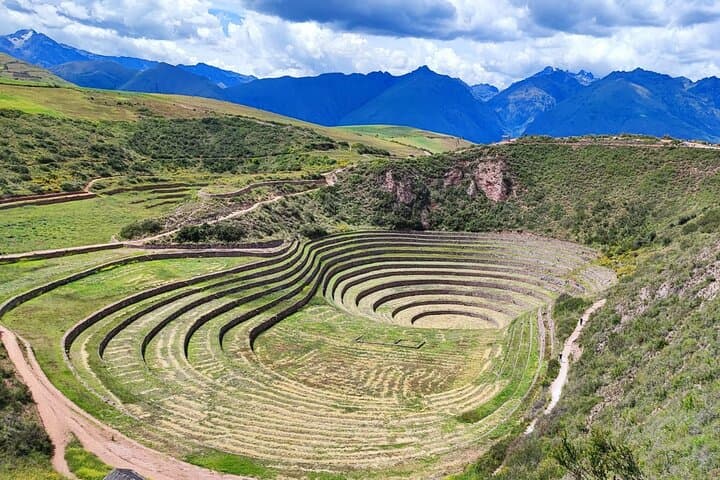
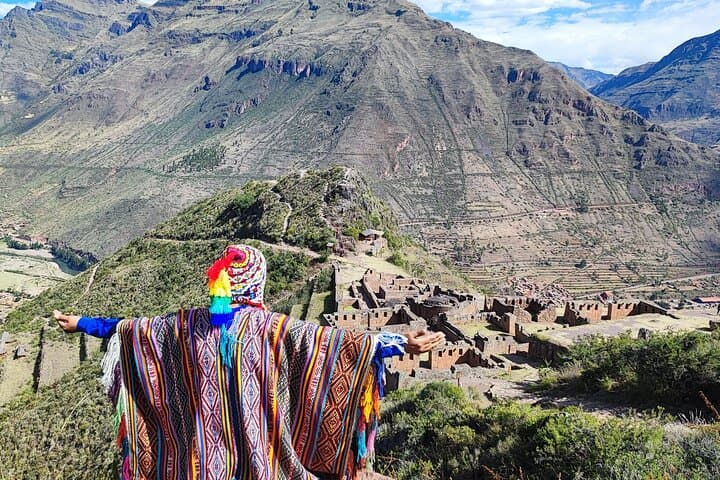
This two-day itinerary pairs living Quechua culture with the engineering of the Inca: Pisac and Ollantaytambo reveal trapezoidal doorways and terraces built into volcanic and sedimentary slopes, while Machu Picchu—constructed in the 15th century—sits on a granite spine above the Urubamba, watching weather and walkers alike. Local guides explain agricultural calendars, dry-stone construction, and the mountain worship that shaped settlement patterns here.
Practicalities matter: the train from Ollantaytambo is about 1.5 hours; Aguas Calientes sits near 2,040 m and Machu Picchu at roughly 2,430 m, so expect a steady 350–450 m ascent by shuttle or on foot. Sunrise windows fill early—book permits and train tickets in advance, and schedule buffer time for the bus line up to the ruins. Weather can change from warm sun to heavy rain within an hour; dress in layers, carry water, and wear grippy shoes for stonework and wet steps. The guided tour typically covers 2–3 hours on-site with additional free time to explore terraces, the Intihuatana area, or short hikes to viewpoints.
For travelers short on time, this compact loop delivers culture, geology, and the moment when morning light pushes across one of the world’s great archaeological sites.