THE ADVENTURE COLLECTIVE® · Independent discovery and booking for outdoor travel

Rise before the island: catch Mount Agung framed through Lempuyang’s “Heaven Gate” mirror effect, then stroll the royal ponds of Tirta Gangga. This full‑day eastern Bali loop pairs dramatic views with living Balinese ritual and engineered water gardens.
Rise before the island: catch Mount Agung framed through Lempuyang’s “Heaven Gate” mirror effect, then stroll the royal ponds of Tirta Gangga. This full‑day eastern Bali loop pairs dramatic views with living Balinese ritual and engineered water gardens.
Before dawn the minivan threads east across Bali’s lowlands, headlights cutting through rice-field mist as Mount Agung looms toward the horizon.
Verified experiences and guided adventures in the surrounding area.
Operated by Bali Everyday Trip · Amlapura, Bali
Before dawn the minivan threads east across Bali’s lowlands, headlights cutting through rice-field mist as Mount Agung looms toward the horizon.
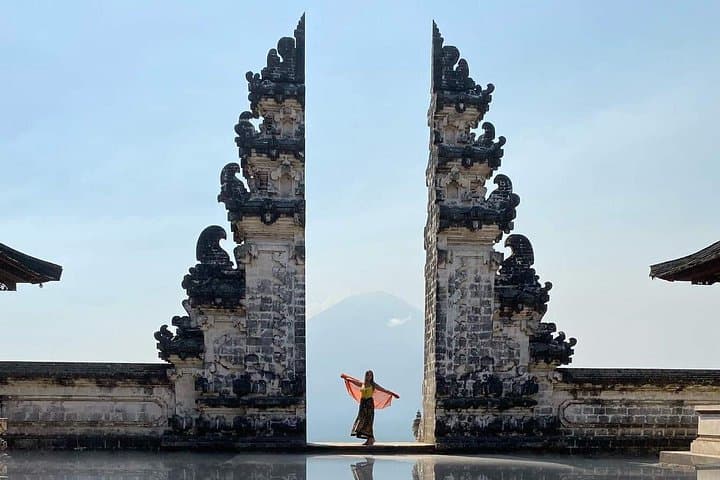
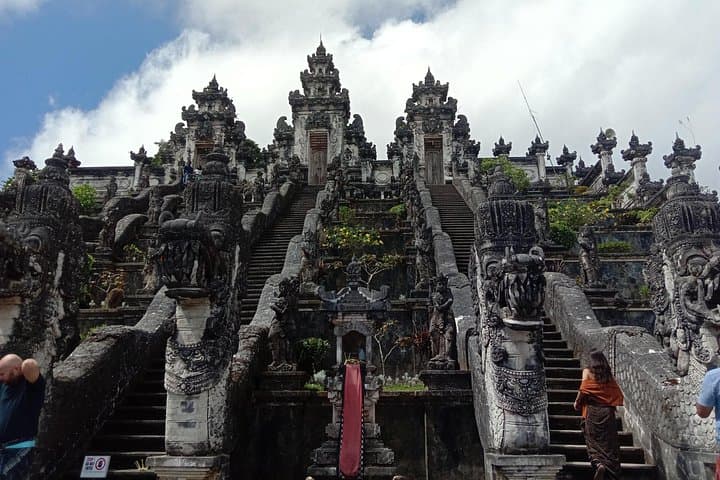
You arrive at Pura Lempuyang early to beat the crowds; the temple’s stone gateway frames Agung like a brooding guardian and the temple floor, when still, creates the famous mirror effect that draws photographers and pilgrims alike. Expect a queue—officials often pause groups for a single framed shot (donation customary).
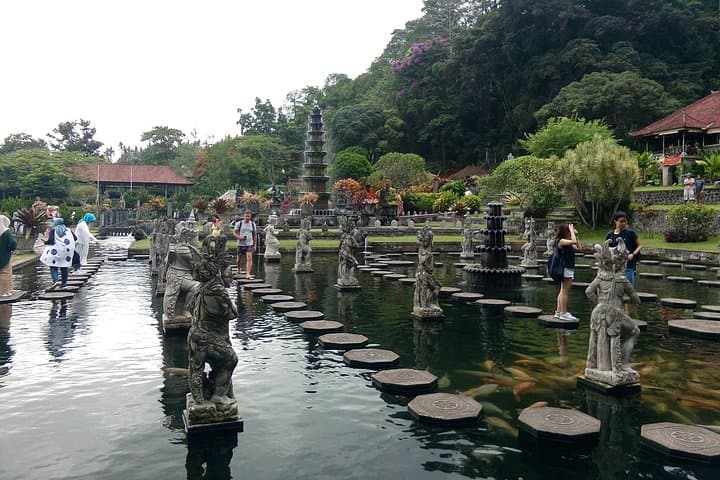
The route continues to Tirta Gangga, the 20th‑century water palace built by the Karangasem royal family. Stone basins, carved fountains and lotus ponds trace terraces down toward irrigation channels, evidence of volcanic soils and centuries of Balinese water engineering.
Culturally the day pairs directional temple worship with royal leisure architecture: Lempuyang is one of Bali’s key directional temples, while Tirta Gangga showcases the island’s royal response to colonial-era modernity.
Practically, this is a long day—allow 8–10 hours including hotel pickup across southern Bali and on‑site waits. Wear modest temple clothing (sarong available on site), sturdy shoes for uneven stone steps, and a light layer for crisp mornings. Hydrate and bring sunscreen; the light that makes the gate iconic also burns quickly.
Plan for donation-based photography, limited official photo spots, and brief temple etiquette—no shoulders or knees exposed, no loud behavior near offerings. Lunch is typically at a local restaurant near Tirta Gangga; use that break to rest legs and recharge for the return trip.
For travelers wanting a visually striking, culturally textured full day, this pairing delivers landscape drama, living ritual, and engineered gardens in one continuous eastern-Bali loop.
moderate.
8–10 hours.
Suitable for most fitness levels but requires stamina for stairs, standing in lines, and a full day of touring
The tour runs about 8–10 hours with hotel pickups early in the morning (around 6:00); pickup time depends on your hotel location.
No — the gate area uses a reflective floor effect for photos; pools elsewhere in Tirta Gangga are authentic water features.
Photography is allowed, but official temple photographers often manage framed shots and a small donation is customary.
Both sites have uneven stone, steps and narrow paths; accessibility is limited and not recommended for wheelchairs or strollers.
Tirta Gangga was developed by the Karangasem royal family in the 20th century; Lempuyang is one of Bali’s oldest directional temples with links to mountain worship.
Visitor pressure can damage stonework and pools; stick to paths, avoid stepping on offerings and carry out trash to protect these cultural sites.
Bali Everyday Trip operates guided outdoor trips and adventures with an emphasis on safety, stewardship, and memorable experiences.
Before dawn the minivan threads east across Bali’s lowlands, headlights cutting through rice-field mist as Mount Agung looms toward the horizon.
Before dawn the minivan threads east across Bali’s lowlands, headlights cutting through rice-field mist as Mount Agung looms toward the horizon.
You arrive at Pura Lempuyang early to beat the crowds; the temple’s stone gateway frames Agung like a brooding guardian and the temple floor, when still, creates the famous mirror effect that draws photographers and pilgrims alike. Expect a queue—officials often pause groups for a single framed shot (donation customary).
The route continues to Tirta Gangga, the 20th‑century water palace built by the Karangasem royal family. Stone basins, carved fountains and lotus ponds trace terraces down toward irrigation channels, evidence of volcanic soils and centuries of Balinese water engineering.
Culturally the day pairs directional temple worship with royal leisure architecture: Lempuyang is one of Bali’s key directional temples, while Tirta Gangga showcases the island’s royal response to colonial-era modernity.
Practically, this is a long day—allow 8–10 hours including hotel pickup across southern Bali and on‑site waits. Wear modest temple clothing (sarong available on site), sturdy shoes for uneven stone steps, and a light layer for crisp mornings. Hydrate and bring sunscreen; the light that makes the gate iconic also burns quickly.
Plan for donation-based photography, limited official photo spots, and brief temple etiquette—no shoulders or knees exposed, no loud behavior near offerings. Lunch is typically at a local restaurant near Tirta Gangga; use that break to rest legs and recharge for the return trip.
For travelers wanting a visually striking, culturally textured full day, this pairing delivers landscape drama, living ritual, and engineered gardens in one continuous eastern-Bali loop.