THE ADVENTURE COLLECTIVE® · Independent discovery and booking for outdoor travel

Catch first light at Kalapathar Beach, then follow coastal forests into a compact birdwatching and village tour on Havelock Island. Short, guided, and ideal for nature lovers seeking rare seabirds and local color.
Catch first light at Kalapathar Beach, then follow coastal forests into a compact birdwatching and village tour on Havelock Island. Short, guided, and ideal for nature lovers seeking rare seabirds and local color.
Morning light arrives slow and deliberate on Kalapathar Beach, pushing pale gold across black volcanic rocks and the shallow turquoise ribbon of the Andaman Sea. You stand on coarse sand as the surf dares you to move closer; behind, a fringe of coastal forest exhales salt and leaf-mold. The first hour is about light—how it sculpts the shoreline and wakes the birds.
Verified experiences and guided adventures in the surrounding area.
Operated by Seashell Habitat Institute Activity Centre · Havelock Island (Swaraj Dweep), Andaman and Nicobar Islands
Morning light arrives slow and deliberate on Kalapathar Beach, pushing pale gold across black volcanic rocks and the shallow turquoise ribbon of the Andaman Sea. You stand on coarse sand as the surf dares you to move closer; behind, a fringe of coastal forest exhales salt and leaf-mold. The first hour is about light—how it sculpts the shoreline and wakes the birds.
Geologically the beach is defined by basalt outcrops and coral-derived sands, a shoreline shaped by tectonics and reef growth. Culturally, the Andamans combine indigenous history with colonial-era ports and contemporary fishing villages; nearby settlements still run on small-scale fisheries and coconut groves. Your guide will point out the subtle human rhythms—village boats landing, nets being mended—alongside the natural patterns of tide and tidepool.
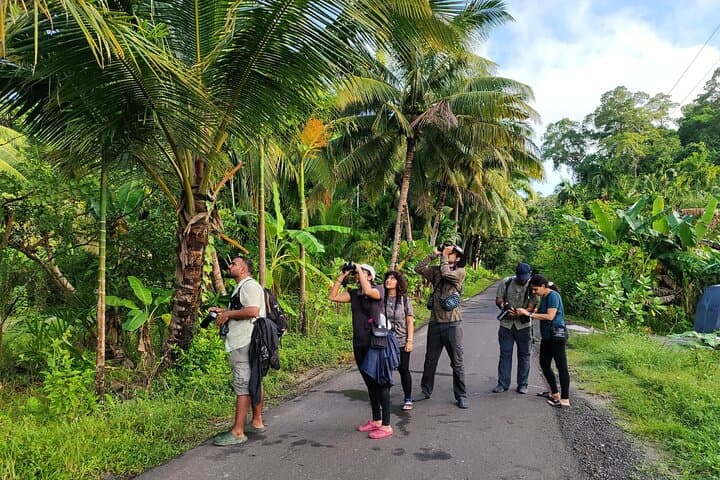
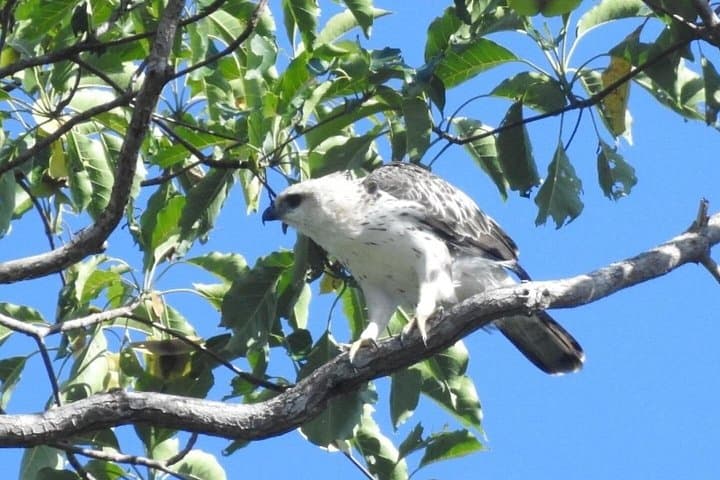
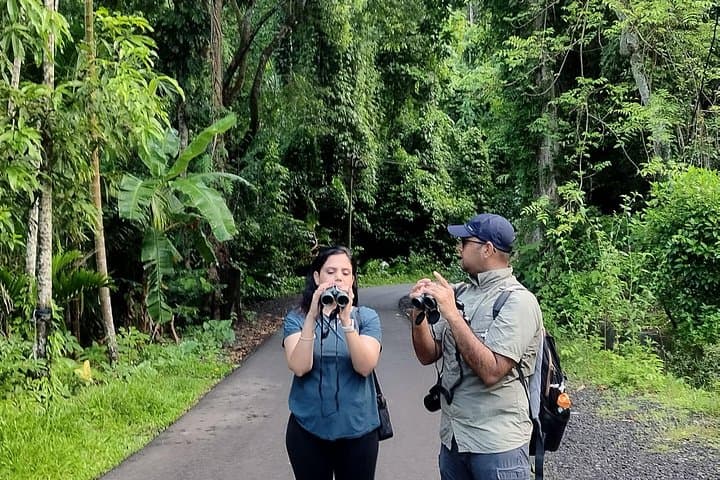
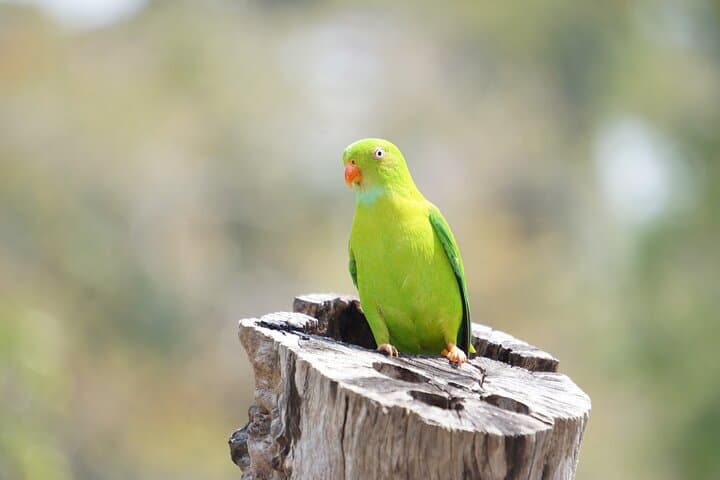
Birdlife is the tour’s backbone: mangrove warblers, white-bellied sea-eagles on thermals, and skulking flycatchers in the understory. The coastal forest transitions quickly from sunlit scrub to dense mangrove where mudflat feeders and kingfishers concentrate at dawn. Expect close but respectful encounters—binoculars and quiet footsteps bring the best views.
Practical notes: the outing is short (about two hours) and best at first light to avoid heat and midday boat traffic. Wear sturdy sandals or trail shoes for volcanic rock and damp trails; bring water, a headlamp for pre-dawn paths, and a light wind layer. Respect village life: ask before photographing people and carry out any trash. This mix of a sunrise beach, birdwatching, and a gentle village drive gives a concentrated, low-impact window into Havelock’s coastal ecology and culture.
easy.
2 hours.
Light fitness—short walking on uneven ground and brief standing periods; suitable for most walkers.
The tour departs around pre-dawn to reach Kalapathar for sunrise—plan to arrive 20–30 minutes before scheduled start time.
No—the itinerary is rated easy with short stretches of walking on sand, rocks, and leveled village roads; it’s suitable for most fitness levels.
Expect coastal and mangrove species such as kingfishers, mangrove warblers, sea-eagles, and migratory shorebirds depending on season.
Yes—the tour includes an English-speaking licensed guide and all fees and taxes are covered.
Havelock Island combines colonial-era settlement history with long-standing indigenous maritime traditions; local villages still depend on small-scale fishing and coconut cultivation.
Mangroves and coral reefs near Kalapathar are ecologically sensitive—stick to marked paths, avoid collecting shells or corals, and minimize plastic waste.
Seashell Habitat Institute Activity Centre operates guided outdoor trips and adventures with an emphasis on safety, stewardship, and memorable experiences.
Morning light arrives slow and deliberate on Kalapathar Beach, pushing pale gold across black volcanic rocks and the shallow turquoise ribbon of the Andaman Sea. You stand on coarse sand as the surf dares you to move closer; behind, a fringe of coastal forest exhales salt and leaf-mold. The first hour is about light—how it sculpts the shoreline and wakes the birds.
Morning light arrives slow and deliberate on Kalapathar Beach, pushing pale gold across black volcanic rocks and the shallow turquoise ribbon of the Andaman Sea. You stand on coarse sand as the surf dares you to move closer; behind, a fringe of coastal forest exhales salt and leaf-mold. The first hour is about light—how it sculpts the shoreline and wakes the birds.
Geologically the beach is defined by basalt outcrops and coral-derived sands, a shoreline shaped by tectonics and reef growth. Culturally, the Andamans combine indigenous history with colonial-era ports and contemporary fishing villages; nearby settlements still run on small-scale fisheries and coconut groves. Your guide will point out the subtle human rhythms—village boats landing, nets being mended—alongside the natural patterns of tide and tidepool.
Birdlife is the tour’s backbone: mangrove warblers, white-bellied sea-eagles on thermals, and skulking flycatchers in the understory. The coastal forest transitions quickly from sunlit scrub to dense mangrove where mudflat feeders and kingfishers concentrate at dawn. Expect close but respectful encounters—binoculars and quiet footsteps bring the best views.
Practical notes: the outing is short (about two hours) and best at first light to avoid heat and midday boat traffic. Wear sturdy sandals or trail shoes for volcanic rock and damp trails; bring water, a headlamp for pre-dawn paths, and a light wind layer. Respect village life: ask before photographing people and carry out any trash. This mix of a sunrise beach, birdwatching, and a gentle village drive gives a concentrated, low-impact window into Havelock’s coastal ecology and culture.