THE ADVENTURE COLLECTIVE® · Independent discovery and booking for outdoor travel

Beat the crowds at Chichén Itzá at opening, then cool off in three dramatic cenotes—cave pools that echo Maya rituals. This small-group day tour from Valladolid mixes guided archaeology with swims, a traditional lunch, and hidden-underworld views.
Beat the crowds at Chichén Itzá at opening, then cool off in three dramatic cenotes—cave pools that echo Maya rituals. This small-group day tour from Valladolid mixes guided archaeology with swims, a traditional lunch, and hidden-underworld views.
You arrive before the sun pulls heat from the limestone, the Pyramid of Kukulcán standing cool and angular against a pale sky. The tour opens with that hush—fewer voices, more birds—while your guide traces carved reliefs and aligns glyphs with the seasons. Chalky stone warms quickly; the day pivots from archaeology to water as the bus threads rural Yucatán toward sinkholes that seem to dare you to step closer.
Verified experiences and guided adventures in the surrounding area.
Operated by Experiencias LakinTours · Pisté, Yucatán
You arrive before the sun pulls heat from the limestone, the Pyramid of Kukulcán standing cool and angular against a pale sky. The tour opens with that hush—fewer voices, more birds—while your guide traces carved reliefs and aligns glyphs with the seasons. Chalky stone warms quickly; the day pivots from archaeology to water as the bus threads rural Yucatán toward sinkholes that seem to dare you to step closer.
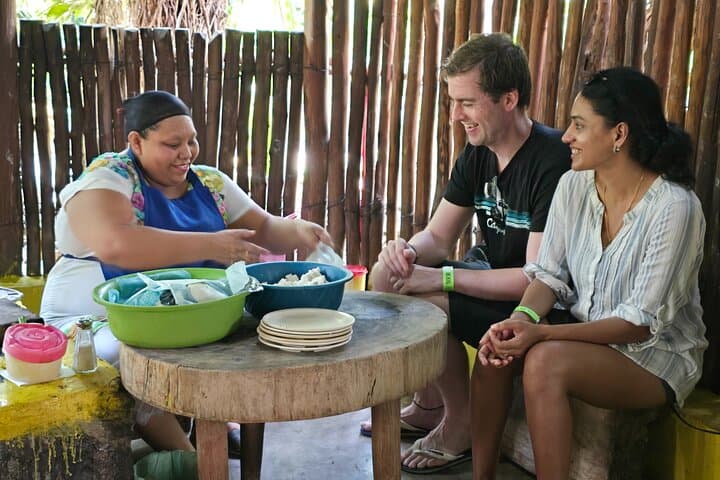
Chichén Itzá rose as a major Maya center between the 7th and 10th centuries and later adopted Toltec influences, visible in its sculpted serpents and colonnaded halls. The region’s porous karst geology erodes into cenotes—vertical, collapsed cave systems that fed Maya cities and remain central to local ritual and ecology. Cultural threads run through the day: Mayan cosmology at the site, fresh corn tortillas at a family-run restaurant, and cave-cenotes where shafts of light sketch walls thick with stalactites.
Practicalities: the full-day tour lasts about 7–8 hours with roughly 2.5 hours exploring Chichén Itzá and three separate cenote stops; expect moderate walking on uneven stone and damp surfaces in caves. Bring swimwear, a towel, reef-safe sunscreen, and cash for cenote entrance fees and souvenirs. Wear sturdy closed shoes for archaeological paths and water shoes for slippery cenote steps. Start early to beat the heat, hydrate on the included bottled water, and follow your guide’s instructions around fragile formations. This route balances history and cooling dips—ideal for travelers who want context as much as a plunge into Yucatán’s clear, subterranean waters.
moderate.
7–8 hours.
Moderate fitness for walking on uneven archaeological surfaces and climbing down cenote steps; able to swim at least short distances.
The tour manages Chichén Itzá access to avoid lines, but some cenote fees and lockers may not be included—bring cash for those charges.
Expect about 2–2.5 hours of guided walking through the main monuments with additional free time to explore photos and viewpoints.
Yes—most cenotes have shallow ledges and viewing areas; non-swimmers can stay on dry platforms or rent life vests where available.
Small children can join but require supervision near water; the tour is not recommended for travelers with severe mobility issues due to stairs and uneven terrain.
Chichén Itzá served as a major political, economic and ceremonial center for the Maya and later blended Toltec designs; cenotes were essential freshwater sources and religious sites.
Cenote health is sensitive to pollutants—use biodegradable products, avoid entering with suntan lotions, and follow site rules to minimize human impact.
Experiencias LakinTours operates guided outdoor trips and adventures with an emphasis on safety, stewardship, and memorable experiences.
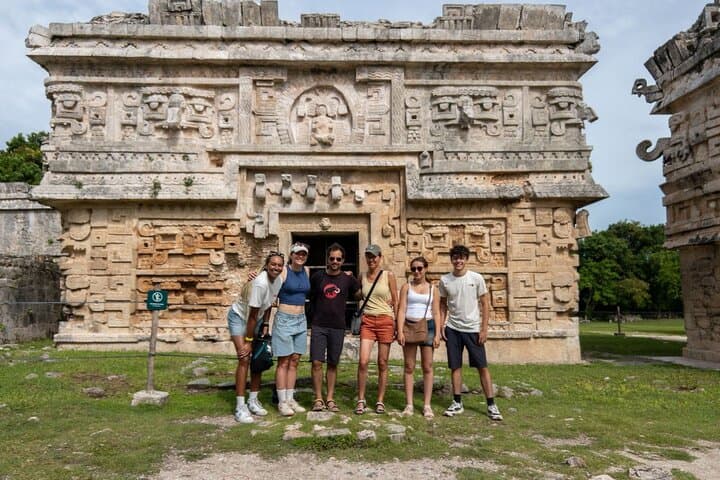


You arrive before the sun pulls heat from the limestone, the Pyramid of Kukulcán standing cool and angular against a pale sky. The tour opens with that hush—fewer voices, more birds—while your guide traces carved reliefs and aligns glyphs with the seasons. Chalky stone warms quickly; the day pivots from archaeology to water as the bus threads rural Yucatán toward sinkholes that seem to dare you to step closer.
You arrive before the sun pulls heat from the limestone, the Pyramid of Kukulcán standing cool and angular against a pale sky. The tour opens with that hush—fewer voices, more birds—while your guide traces carved reliefs and aligns glyphs with the seasons. Chalky stone warms quickly; the day pivots from archaeology to water as the bus threads rural Yucatán toward sinkholes that seem to dare you to step closer.
Chichén Itzá rose as a major Maya center between the 7th and 10th centuries and later adopted Toltec influences, visible in its sculpted serpents and colonnaded halls. The region’s porous karst geology erodes into cenotes—vertical, collapsed cave systems that fed Maya cities and remain central to local ritual and ecology. Cultural threads run through the day: Mayan cosmology at the site, fresh corn tortillas at a family-run restaurant, and cave-cenotes where shafts of light sketch walls thick with stalactites.
Practicalities: the full-day tour lasts about 7–8 hours with roughly 2.5 hours exploring Chichén Itzá and three separate cenote stops; expect moderate walking on uneven stone and damp surfaces in caves. Bring swimwear, a towel, reef-safe sunscreen, and cash for cenote entrance fees and souvenirs. Wear sturdy closed shoes for archaeological paths and water shoes for slippery cenote steps. Start early to beat the heat, hydrate on the included bottled water, and follow your guide’s instructions around fragile formations. This route balances history and cooling dips—ideal for travelers who want context as much as a plunge into Yucatán’s clear, subterranean waters.