THE ADVENTURE COLLECTIVE® · Independent discovery and booking for outdoor travel

Catch Angkor Wat at its most cinematic: a private pre-dawn viewing, then a full-day guided circuit of Bayon, Ta Prohm and quieter jungle temples. Practical tips on timing, tickets, and what to pack make this VIP sunrise tour easy to plan.
Catch Angkor Wat at its most cinematic: a private pre-dawn viewing, then a full-day guided circuit of Bayon, Ta Prohm and quieter jungle temples. Practical tips on timing, tickets, and what to pack make this VIP sunrise tour easy to plan.
You arrive at a pre-dawn sky over Angkor Wat, temple silhouettes sharpening as lantern-bright clouds thin; the moat catches a line of gold and the towers seem to wake with the light. A private guide leads you to a favored viewpoint before the crowds, the reflection pool cooling the air while carved bas-reliefs hold the stories of an empire.
Verified experiences and guided adventures in the surrounding area.
Operated by Naga Angkor Tour · Siem Reap, Siem Reap Province
You arrive at a pre-dawn sky over Angkor Wat, temple silhouettes sharpening as lantern-bright clouds thin; the moat catches a line of gold and the towers seem to wake with the light. A private guide leads you to a favored viewpoint before the crowds, the reflection pool cooling the air while carved bas-reliefs hold the stories of an empire.
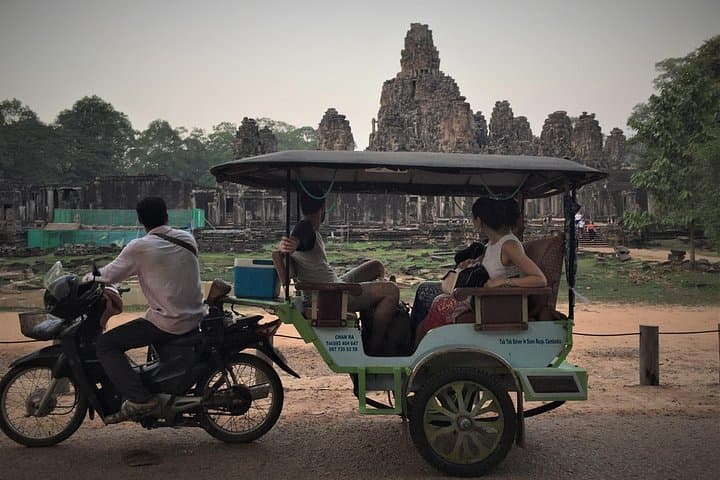
Angkor Wat was raised in the 12th century under King Suryavarman II as a Hindu state temple and later adapted to Buddhist worship; the stone itself is laterite and sandstone hewn and set into a cityscape that once housed a capital. Around Angkor Thom and Bayon, faces carved into towers watch the terrain and record everyday life, while smaller, quieter ruins like Preah Parilay and Ta Nei reveal moss-softened lintels and bird-chorus silence. Ta Prohm, the Tomb Raider site, dramatizes the contest between forest and masonry as roots lift galleries skyward.
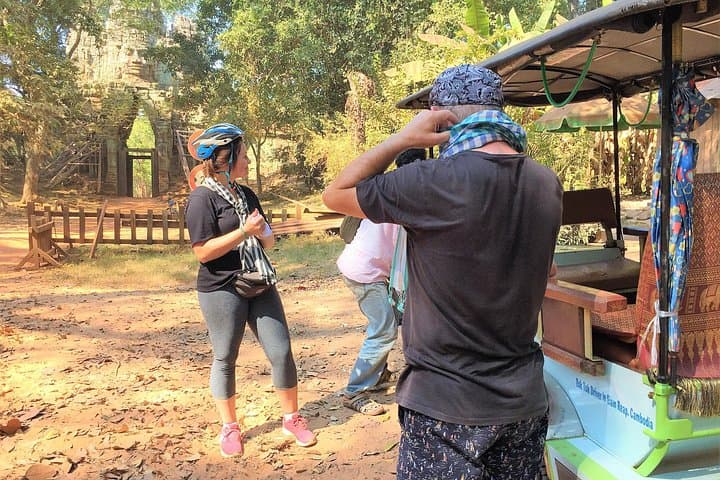
Practically speaking, expect long, mostly flat walking on uneven stone and packed earth, intermittent shade, and many photo opportunities. The full private itinerary runs about ten hours with hotel pickup and drop-off, bottled water, cold towels and local-food stops included; park entry fees are typically separate. Wear sturdy walking shoes, light long sleeves for sun and temples, and bring a refillable water bottle and insect repellent. Start early to beat the heat and the tour’s rhythm: sunrise, a relaxed breakfast, then the south gate, Bayon’s faces, quieter jungle shrines, and Ta Prohm’s root-strewn galleries. Respect temple rules—no climbing on carved reliefs—and plan for humidity and sudden showers outside the dry season.
easy.
10 hours.
Suitable for most fitness levels; involves several hours of standing and walking on uneven stone surfaces
Admission to Angkor Archaeological Park is usually not included in private tour pricing—purchase your pass at the official ticket center or arrange it through your guide in advance.
This tour typically meets around 4:40 AM for transfer to a sunrise viewpoint; confirm exact pickup with the operator when booking.
Some main areas and approaches are accessible, but many galleries and upper enclosures have steps and uneven ground—access varies by temple.
Yes; infants must sit on an adult’s lap during transport and should follow the same dress and safety considerations as adults.
Angkor Wat was built in the early 12th century under King Suryavarman II and later transitioned from a Hindu state temple to a major Buddhist pilgrimage site.
High visitor numbers stress fragile carvings and foundations—stay on marked paths, avoid touching bas-reliefs, and support licensed local guides and community-run eateries.
Naga Angkor Tour operates guided outdoor trips and adventures with an emphasis on safety, stewardship, and memorable experiences.
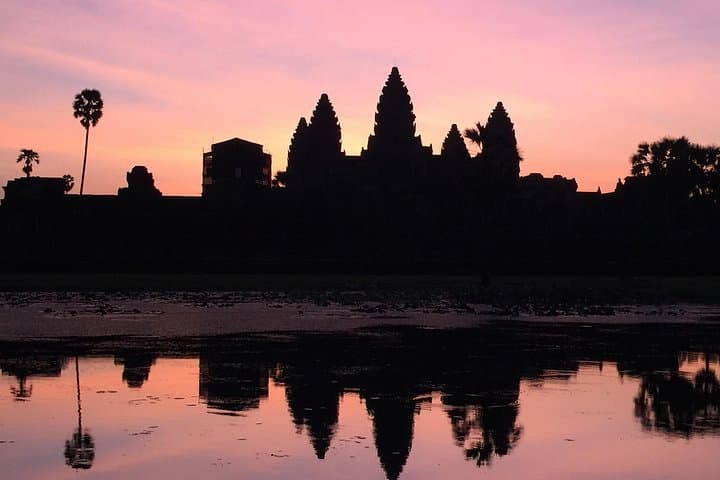
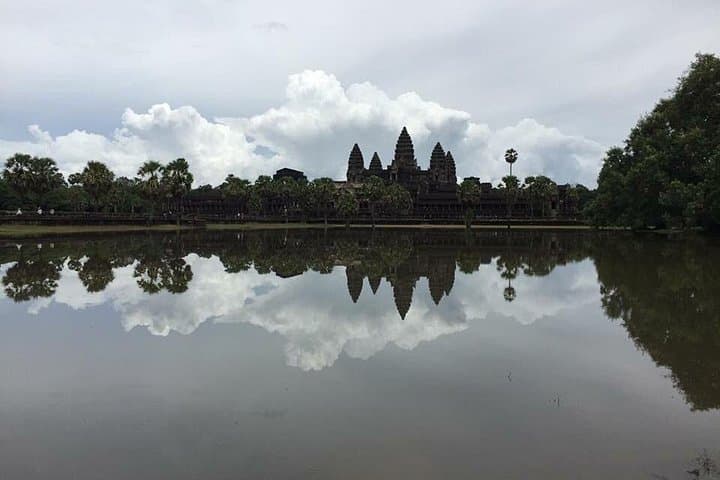
You arrive at a pre-dawn sky over Angkor Wat, temple silhouettes sharpening as lantern-bright clouds thin; the moat catches a line of gold and the towers seem to wake with the light. A private guide leads you to a favored viewpoint before the crowds, the reflection pool cooling the air while carved bas-reliefs hold the stories of an empire.
You arrive at a pre-dawn sky over Angkor Wat, temple silhouettes sharpening as lantern-bright clouds thin; the moat catches a line of gold and the towers seem to wake with the light. A private guide leads you to a favored viewpoint before the crowds, the reflection pool cooling the air while carved bas-reliefs hold the stories of an empire.
Angkor Wat was raised in the 12th century under King Suryavarman II as a Hindu state temple and later adapted to Buddhist worship; the stone itself is laterite and sandstone hewn and set into a cityscape that once housed a capital. Around Angkor Thom and Bayon, faces carved into towers watch the terrain and record everyday life, while smaller, quieter ruins like Preah Parilay and Ta Nei reveal moss-softened lintels and bird-chorus silence. Ta Prohm, the Tomb Raider site, dramatizes the contest between forest and masonry as roots lift galleries skyward.
Practically speaking, expect long, mostly flat walking on uneven stone and packed earth, intermittent shade, and many photo opportunities. The full private itinerary runs about ten hours with hotel pickup and drop-off, bottled water, cold towels and local-food stops included; park entry fees are typically separate. Wear sturdy walking shoes, light long sleeves for sun and temples, and bring a refillable water bottle and insect repellent. Start early to beat the heat and the tour’s rhythm: sunrise, a relaxed breakfast, then the south gate, Bayon’s faces, quieter jungle shrines, and Ta Prohm’s root-strewn galleries. Respect temple rules—no climbing on carved reliefs—and plan for humidity and sudden showers outside the dry season.