THE ADVENTURE COLLECTIVE® · Independent discovery and booking for outdoor travel

Watch dawn break over Angkor Wat, then move quietly through Ta Prohm and Angkor Thom with a private guide. This 4–5 hour morning itinerary balances history, light, and fewer crowds for a concentrated temple experience.
Watch dawn break over Angkor Wat, then move quietly through Ta Prohm and Angkor Thom with a private guide. This 4–5 hour morning itinerary balances history, light, and fewer crowds for a concentrated temple experience.
The tour begins before dawn, when the outer moat reflects a slow pink light and the silhouette of Angkor Wat sharpens against a cooling sky. As you step from the SUV onto packed sand, the air carries the green, damp scent of rice paddies and the low murmur of other early visitors. The guide leads you past the ticket office—Angkor Pass (currently about USD 37) is collected first—so you can reach the western causeway for sunrise without the heat.
Verified experiences and guided adventures in the surrounding area.
Operated by Around Cambodia Travel · Siem Reap, Siem Reap Province
The tour begins before dawn, when the outer moat reflects a slow pink light and the silhouette of Angkor Wat sharpens against a cooling sky. As you step from the SUV onto packed sand, the air carries the green, damp scent of rice paddies and the low murmur of other early visitors. The guide leads you past the ticket office—Angkor Pass (currently about USD 37) is collected first—so you can reach the western causeway for sunrise without the heat.
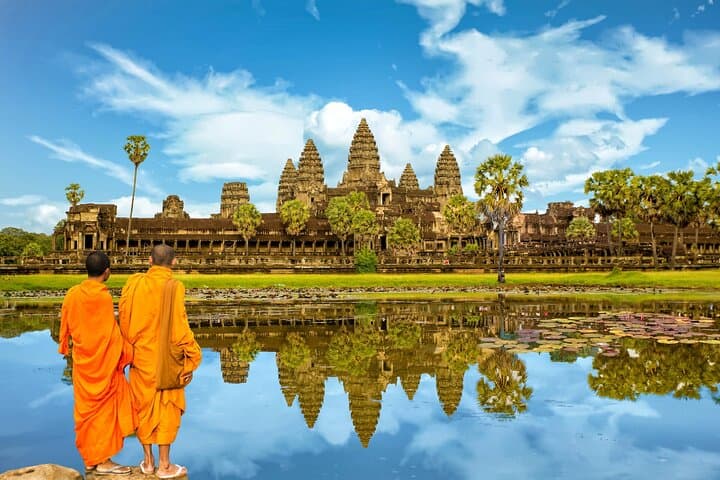
Built in the early 12th century under King Suryavarman II, Angkor Wat is the largest religious monument on Earth, a stone city cut from Khmer limestone and laterite. Nearby Ta Prohm shows the empire’s slow reclamation by fig and dipterocarp roots; Angkor Thom’s Bayon faces offer carved eyes that seem to watch you move through history. Geologically the complex sits on flat alluvial plains fed by the Tonlé Sap system, which shaped settlement and agriculture around the temples.
Culturally, the temples are active symbols of national pride—observe dress codes and soft voices around shrines. Expect uneven stone steps, long corridors, and pockets of shade beneath trees that reach into galleries.
Practical guidance: plan for 4–5 hours, carry sun protection and at least 1–2 liters of water, and wear closed, grippy shoes for slippery laterite and moss. If you book sunrise, start before 5:00 AM in high season to avoid crowds; an English-speaking private guide speeds navigation and context. Respect roped-off areas and local worship practices to keep these monuments intact for the next traveler.
moderate.
4–5 hours.
Moderate; able to stand and walk several hours with short stretches over uneven ground
No—tour operators typically direct you to purchase the Angkor Pass at the ticket center (current single-day pass approx. USD 37) before entry.
Yes—the itinerary can start around 9:00 AM on request, but sunrise visits reduce heat and crowding at Angkor Wat.
Expect 2–4 kilometers of walking across uneven temple grounds with intermittent standing for interpretation and photos.
Basic restrooms and a breakfast cafe are available near the main circuit; bring snacks and water for flexibility.
Angkor Wat was built in the early 12th century under King Suryavarman II as a Hindu temple later converted to a Buddhist site; the complex reflects the height of the Khmer Empire.
Visitor pressure and tropical weather accelerate stone erosion; follow roped paths, avoid touching bas-reliefs, and carry out trash to help preserve the monuments.
Around Cambodia Travel operates guided outdoor trips and adventures with an emphasis on safety, stewardship, and memorable experiences.
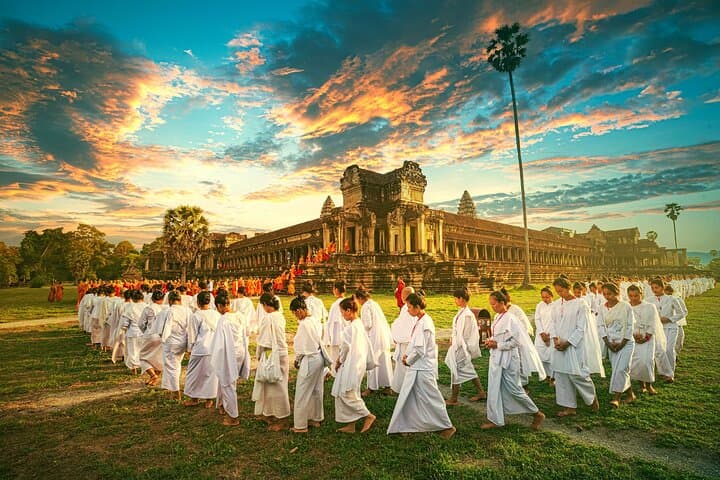
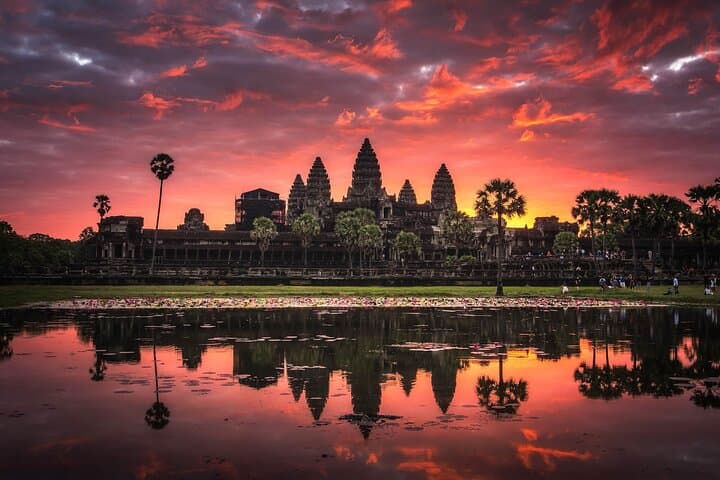
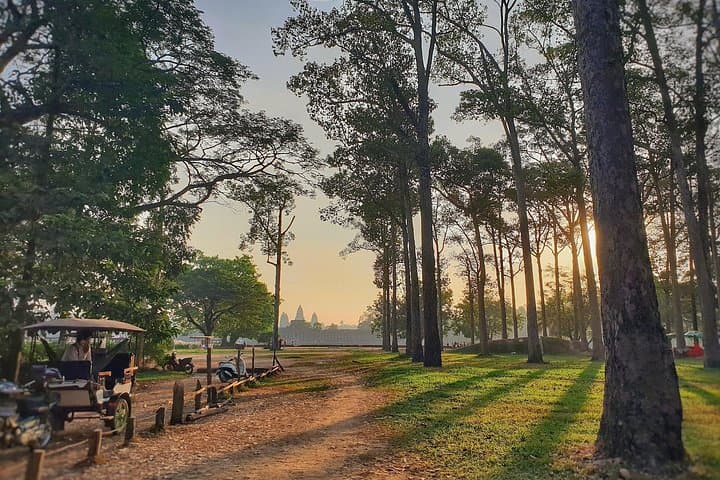
The tour begins before dawn, when the outer moat reflects a slow pink light and the silhouette of Angkor Wat sharpens against a cooling sky. As you step from the SUV onto packed sand, the air carries the green, damp scent of rice paddies and the low murmur of other early visitors. The guide leads you past the ticket office—Angkor Pass (currently about USD 37) is collected first—so you can reach the western causeway for sunrise without the heat.
The tour begins before dawn, when the outer moat reflects a slow pink light and the silhouette of Angkor Wat sharpens against a cooling sky. As you step from the SUV onto packed sand, the air carries the green, damp scent of rice paddies and the low murmur of other early visitors. The guide leads you past the ticket office—Angkor Pass (currently about USD 37) is collected first—so you can reach the western causeway for sunrise without the heat.
Built in the early 12th century under King Suryavarman II, Angkor Wat is the largest religious monument on Earth, a stone city cut from Khmer limestone and laterite. Nearby Ta Prohm shows the empire’s slow reclamation by fig and dipterocarp roots; Angkor Thom’s Bayon faces offer carved eyes that seem to watch you move through history. Geologically the complex sits on flat alluvial plains fed by the Tonlé Sap system, which shaped settlement and agriculture around the temples.
Culturally, the temples are active symbols of national pride—observe dress codes and soft voices around shrines. Expect uneven stone steps, long corridors, and pockets of shade beneath trees that reach into galleries.
Practical guidance: plan for 4–5 hours, carry sun protection and at least 1–2 liters of water, and wear closed, grippy shoes for slippery laterite and moss. If you book sunrise, start before 5:00 AM in high season to avoid crowds; an English-speaking private guide speeds navigation and context. Respect roped-off areas and local worship practices to keep these monuments intact for the next traveler.