THE ADVENTURE COLLECTIVE® · Independent discovery and booking for outdoor travel

Catch first light over Angkor Wat and spend a full day moving through Bayon’s smiling faces, Ta Prohm’s root‑entwined galleries, Banteay Srei’s intricate carvings, and the jungle drama of Beng Mealea. This practical guide explains what to expect, how to prepare, and where to find quieter corners of the park.
Catch first light over Angkor Wat and spend a full day moving through Bayon’s smiling faces, Ta Prohm’s root‑entwined galleries, Banteay Srei’s intricate carvings, and the jungle drama of Beng Mealea. This practical guide explains what to expect, how to prepare, and where to find quieter corners of the park.
Before the sun clears the horizon, the causeway to Angkor Wat is a ribbon of shadows and reflected gold. You stand among early risers, camera warmed in your hands, while the temple’s towers push skyward and pools mirror the first light. The air has the damp, green smell of rice paddies and old stone — the park itself seems to inhale and hold the moment.
Verified experiences and guided adventures in the surrounding area.
Operated by Siem Reap Guide · Siem Reap, Siem Reap Province
Before the sun clears the horizon, the causeway to Angkor Wat is a ribbon of shadows and reflected gold. You stand among early risers, camera warmed in your hands, while the temple’s towers push skyward and pools mirror the first light. The air has the damp, green smell of rice paddies and old stone — the park itself seems to inhale and hold the moment.
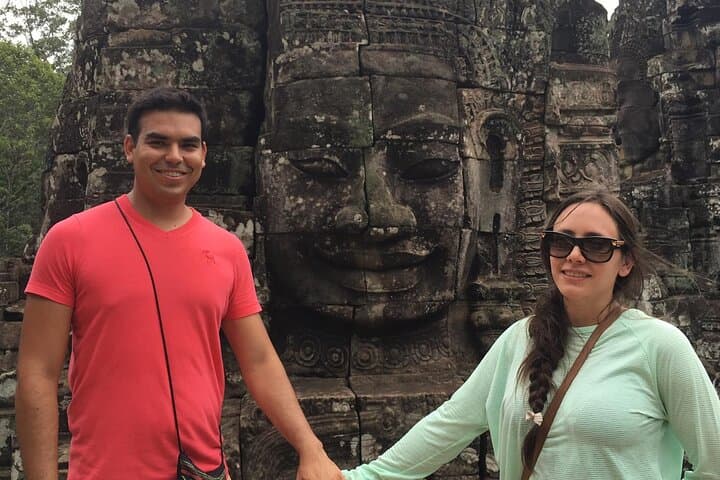
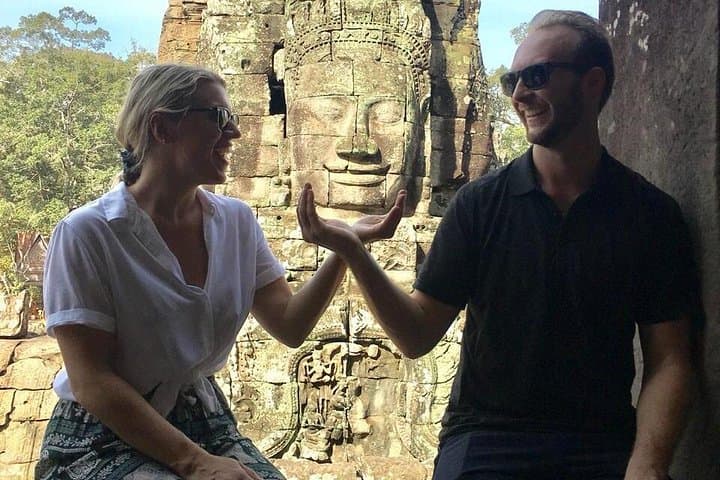
This itinerary threads through a thousand years of Khmer history: Angkor Wat’s 12th‑century grandeur, Bayon’s enigmatic smiling faces crafted under King Jayavarman VII, Ta Prohm’s roots and walls locked in botanical choreography, and the delicate pink sandstone reliefs of Banteay Srei. Beng Mealea, further out, offers a wilder chapter — collapsed galleries and vegetation that make it feel like an unedited jungle ruin.
Geologically the area sits on flat alluvial plains; the temples rise from stone imported and sculpted into complex drainage and moats that still manage seasonal floods. Culturally, these sites remain active places of worship and memory — respectful dress and quiet observation are expected.
Practical guidance: plan for an 8–10 hour day, bring a lightweight long‑sleeve, sturdy walking shoes, and at least 1–2 liters of water. Expect uneven stone, occasional mud in the rainy season, and crowds at the primary viewpoints — time your photography around the first light and mid‑afternoon to avoid peak groups. Use a local guide to navigate history, purchase your Angkor entry pass before dawn, and carry small cash for tips and temple donations. Move deliberately: the stones are old, the carvings fragile, and the experience best savored slowly.
moderate.
8–10 hours.
Moderate fitness: able to walk several kilometers on uneven stone, climb short stair sections, and be on your feet most of the day.
No—the tour price typically excludes the Angkor entry pass. Buy the pass at the official ticket center or online before you enter; you must show a passport to obtain it.
The tour is private and can be paced, but it requires substantial walking and some stairs; it’s not recommended for people with serious back or heart conditions.
Drone use is generally restricted and may require permits; check with your local guide and Cambodian authorities before attempting to fly.
Sunrise offers classic reflections and soft light, while late afternoon provides warmer tones and fewer crowds after midday peak hours.
Angkor Wat and nearby monuments were built between the 9th and 12th centuries and reflect shifts from Hindu to Buddhist patronage; Bayon dates to Jayavarman VII and Banteay Srei is famed for its fine pink sandstone carvings.
Heavy visitation stresses fragile stone and reliefs; follow marked routes, avoid touching carvings, and hire licensed guides to support local conservation and community economies.
Siem Reap Guide operates guided outdoor trips and adventures with an emphasis on safety, stewardship, and memorable experiences.
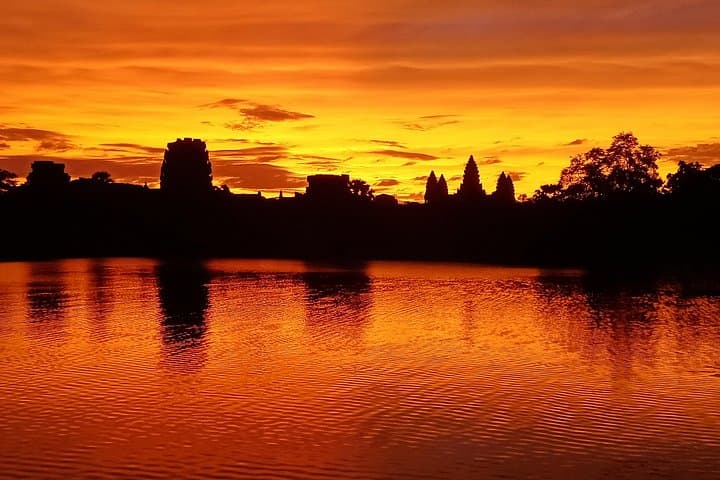
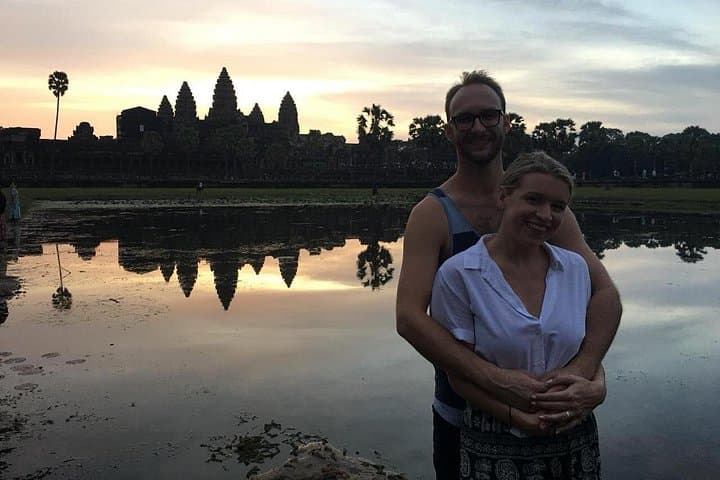
Before the sun clears the horizon, the causeway to Angkor Wat is a ribbon of shadows and reflected gold. You stand among early risers, camera warmed in your hands, while the temple’s towers push skyward and pools mirror the first light. The air has the damp, green smell of rice paddies and old stone — the park itself seems to inhale and hold the moment.
Before the sun clears the horizon, the causeway to Angkor Wat is a ribbon of shadows and reflected gold. You stand among early risers, camera warmed in your hands, while the temple’s towers push skyward and pools mirror the first light. The air has the damp, green smell of rice paddies and old stone — the park itself seems to inhale and hold the moment.
This itinerary threads through a thousand years of Khmer history: Angkor Wat’s 12th‑century grandeur, Bayon’s enigmatic smiling faces crafted under King Jayavarman VII, Ta Prohm’s roots and walls locked in botanical choreography, and the delicate pink sandstone reliefs of Banteay Srei. Beng Mealea, further out, offers a wilder chapter — collapsed galleries and vegetation that make it feel like an unedited jungle ruin.
Geologically the area sits on flat alluvial plains; the temples rise from stone imported and sculpted into complex drainage and moats that still manage seasonal floods. Culturally, these sites remain active places of worship and memory — respectful dress and quiet observation are expected.
Practical guidance: plan for an 8–10 hour day, bring a lightweight long‑sleeve, sturdy walking shoes, and at least 1–2 liters of water. Expect uneven stone, occasional mud in the rainy season, and crowds at the primary viewpoints — time your photography around the first light and mid‑afternoon to avoid peak groups. Use a local guide to navigate history, purchase your Angkor entry pass before dawn, and carry small cash for tips and temple donations. Move deliberately: the stones are old, the carvings fragile, and the experience best savored slowly.