THE ADVENTURE COLLECTIVE® · Independent discovery and booking for outdoor travel

Watch sunrise over Srah Srang before moving through Preah Khan, Neak Pean, Ta Som, East Mebon and Pre Rup on a private full-day circuit. This guided morning-to-afternoon route combines quieter temple visits with practical tips for navigating uneven ruins and tropical heat.
Watch sunrise over Srah Srang before moving through Preah Khan, Neak Pean, Ta Som, East Mebon and Pre Rup on a private full-day circuit. This guided morning-to-afternoon route combines quieter temple visits with practical tips for navigating uneven ruins and tropical heat.
You step out before dawn and the road to Srah Srang is stitched with low light; a hotel lobby gives way to an air-conditioned van and a 14-minute drive that pushes you into the stillness of the reservoir.
Verified experiences and guided adventures in the surrounding area.
Operated by Journey2 Angkor · Siem Reap, Siem Reap Province
You step out before dawn and the road to Srah Srang is stitched with low light; a hotel lobby gives way to an air-conditioned van and a 14-minute drive that pushes you into the stillness of the reservoir.
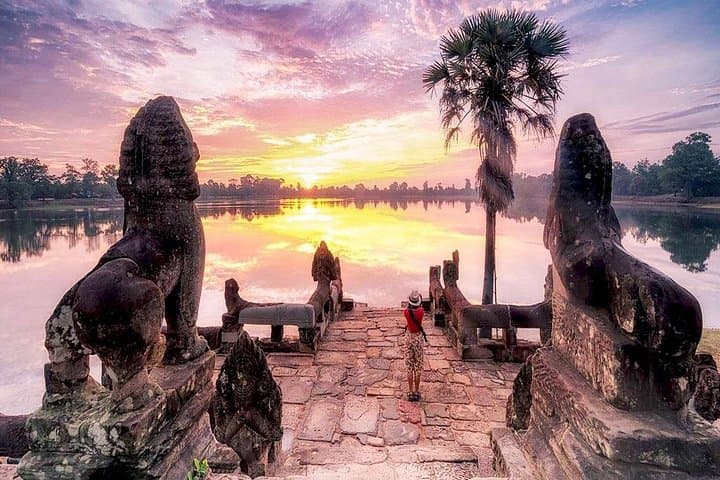
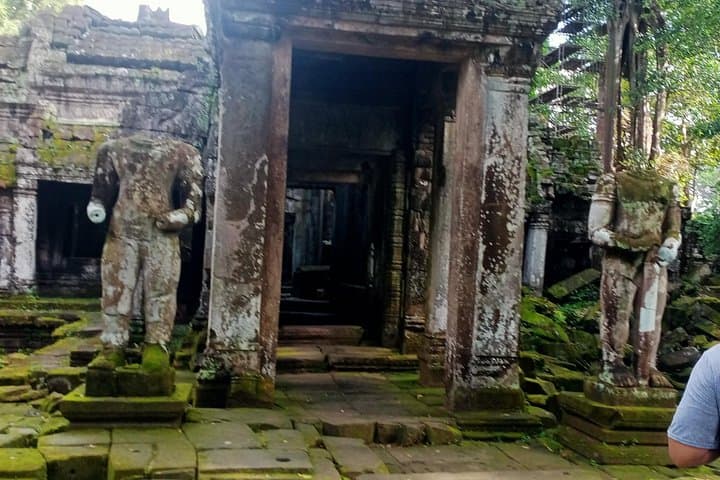
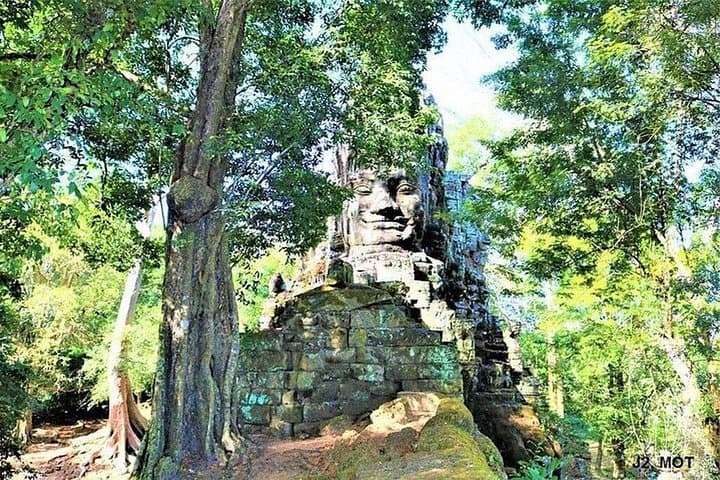
At Srah Srang the water dares the sky to steal its reflection as naga balustrades frame a cruciform landing stage—an ideal place to watch the sun pry color from the horizon. From there your guide leads through a quieter Angkor: Preah Khan’s tangled galleries where fig roots pry at laterite blocks, Neak Pean’s island pools that speak to Khmer hydraulic engineering, and Ta Som’s lone tree enfolding a doorway like an old guardian.
The route continues through East Mebon and Pre Rup—temple mountains that once rose from vast barays, their laterite and sandstone telling a 10th–12th century story of kings, water management, and religious change under Jayavarman VII and Rajendravarman.
Expect uneven stones, sandy paths, and humid air; the temples were built for processions and ritual rather than modern accessibility. Your guide will explain cultural practices, the temples’ roles in ancient Khmer life, and current conservation efforts that balance tourism with preservation.
Practical nuts and bolts: this private, approximately six-hour circuit includes an English-speaking guide, bottled water, and hotel pickup. Wear sturdy shoes with traction, bring sun protection and insect repellent, and start early to avoid crowds and midday heat. Stay on marked paths, respect restricted areas, and carry small-denomination USD or local riel for small purchases and tips.
moderate.
6 hours.
Suitable for travelers in average fitness who can walk 2–4 miles over uneven ground and climb steps; not recommended for those with serious mobility limits.
This private tour description does not list entrance fees; the Angkor Archaeological Park ticket (daily/3-day/7-day options) is typically required and may be paid separately.
Yes—this private tour includes hotel pickup and return; confirm pickup location when booking.
Infant seats are available per the operator; the tour is suitable for families but watch young children on uneven steps and near water.
Many sites have uneven terrain, steep steps and tree roots; this tour is not recommended for travelers with significant mobility restrictions.
The Grand Circuit highlights temples built or expanded between the 10th and 12th centuries under kings like Rajendravarman and Jayavarman VII; many sites relate to Khmer hydraulic systems and state religion shifts.
Angkor’s conservation is ongoing—respecting restricted zones and following guide instructions helps preserve delicate stonework and relict ecosystems; park fees support restoration and site management.
Journey2 Angkor operates guided outdoor trips and adventures with an emphasis on safety, stewardship, and memorable experiences.
You step out before dawn and the road to Srah Srang is stitched with low light; a hotel lobby gives way to an air-conditioned van and a 14-minute drive that pushes you into the stillness of the reservoir.
You step out before dawn and the road to Srah Srang is stitched with low light; a hotel lobby gives way to an air-conditioned van and a 14-minute drive that pushes you into the stillness of the reservoir.
At Srah Srang the water dares the sky to steal its reflection as naga balustrades frame a cruciform landing stage—an ideal place to watch the sun pry color from the horizon. From there your guide leads through a quieter Angkor: Preah Khan’s tangled galleries where fig roots pry at laterite blocks, Neak Pean’s island pools that speak to Khmer hydraulic engineering, and Ta Som’s lone tree enfolding a doorway like an old guardian.
The route continues through East Mebon and Pre Rup—temple mountains that once rose from vast barays, their laterite and sandstone telling a 10th–12th century story of kings, water management, and religious change under Jayavarman VII and Rajendravarman.
Expect uneven stones, sandy paths, and humid air; the temples were built for processions and ritual rather than modern accessibility. Your guide will explain cultural practices, the temples’ roles in ancient Khmer life, and current conservation efforts that balance tourism with preservation.
Practical nuts and bolts: this private, approximately six-hour circuit includes an English-speaking guide, bottled water, and hotel pickup. Wear sturdy shoes with traction, bring sun protection and insect repellent, and start early to avoid crowds and midday heat. Stay on marked paths, respect restricted areas, and carry small-denomination USD or local riel for small purchases and tips.