THE ADVENTURE COLLECTIVE® · Independent discovery and booking for outdoor travel

Spend a long day driving the sunlit terraces of Herzegovina: explore Mostar’s Old Bridge, sip tea at Blagaj’s riverside tekija, wander Ottoman streets in Počitelj and cool off beneath Kravice Falls. This full‑day private tour blends history, karst scenery and local cuisine into a practical, memorable route.
Spend a long day driving the sunlit terraces of Herzegovina: explore Mostar’s Old Bridge, sip tea at Blagaj’s riverside tekija, wander Ottoman streets in Počitelj and cool off beneath Kravice Falls. This full‑day private tour blends history, karst scenery and local cuisine into a practical, memorable route.
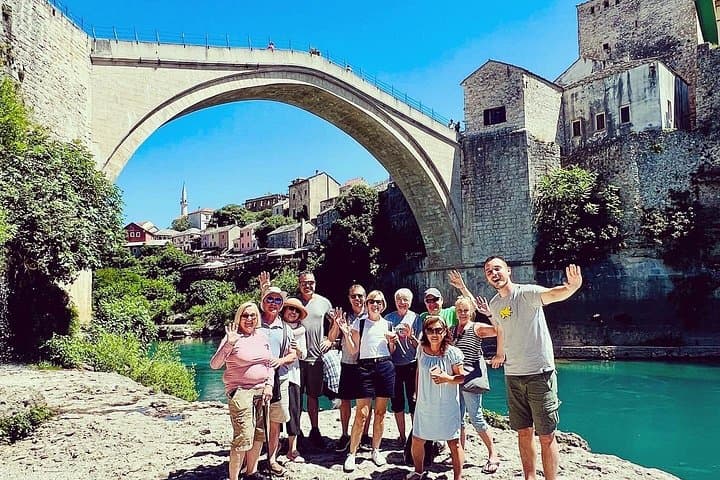
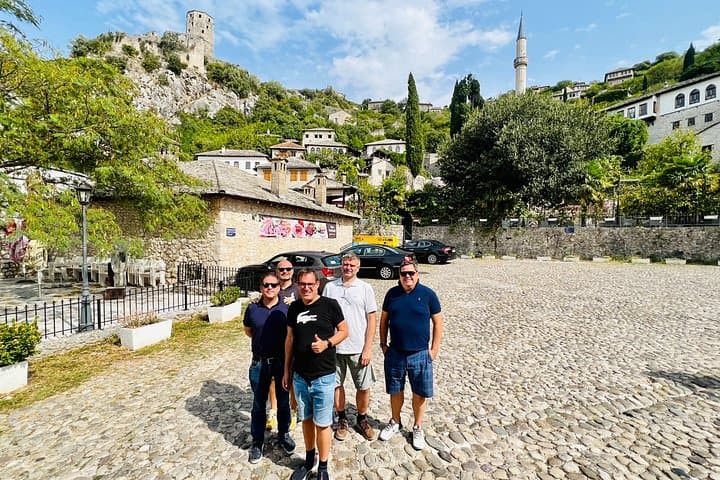
You step out of the air‑conditioned van into a sun-washed square and the river greets you first: cold, bright Neretva water pushing past the Old Bridge as if daring you to linger. Stone streets carry echoes of Ottoman calls to prayer and Austro-Hungarian carriage wheels; every turn rearranges centuries into present-day markets and riverside cafés.
Verified experiences and guided adventures in the surrounding area.
Operated by Art and Tours Sarajevo · Mostar, Herzegovina-Neretva Canton
You step out of the air‑conditioned van into a sun-washed square and the river greets you first: cold, bright Neretva water pushing past the Old Bridge as if daring you to linger. Stone streets carry echoes of Ottoman calls to prayer and Austro-Hungarian carriage wheels; every turn rearranges centuries into present-day markets and riverside cafés.
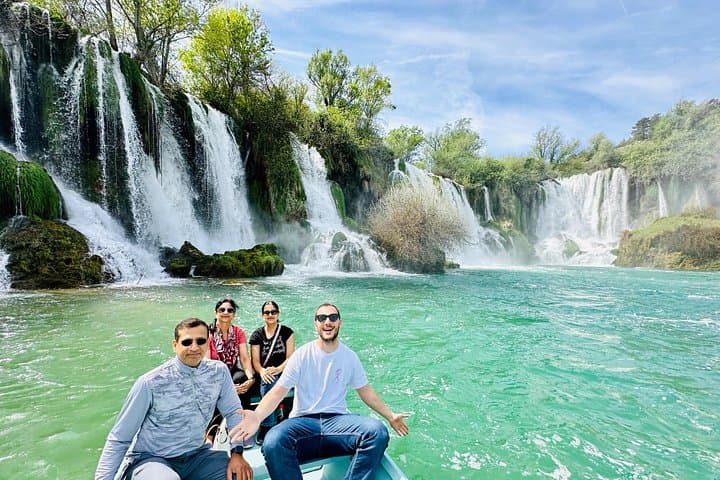
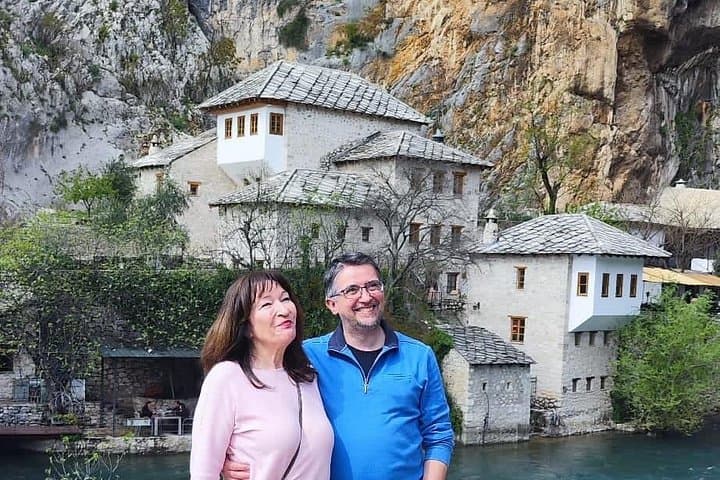
Herzegovina sits on a Mediterranean terrace above the Adriatic, its karst limestone folded into cliffs and springs. The Stari Most in Mostar—rebuilt after the 1990s—anchors a history of trade, conflict and resilient craftsmanship dating back to the 16th century. Downriver at Blagaj, the Buna spring pours out of a cliff below a 600-year-old tekija, where dervish rooms lean into the river’s mist. Kravice Falls is geological theater: tuff limestone ledges force the Trebižat into curtain-like cascades and plunge pools framed by fig and poplar.
Culturally, towns along this route keep Mediterranean rhythms—late lunches, simple wines, and food cooked over wood fires. Practicalities: expect a full day (10–12 hours) with short guided walks, staircase descents to viewpoints, and time for optional swims at Kravice in summer. Wear grippy shoes for wet travertine, bring a reusable water bottle, and carry small denominations of BAM for local vendors.
Timing matters—early starts avoid midday heat and crowds at the Old Bridge. The tour moves deliberately: history, geology and a river’s insistence to be noticed.
easy.
10–12 hours.
Light fitness required—mostly short walks and stairs; suitable for most travelers who can manage brief uphill sections.
Yes—swimming is allowed in designated areas during the warmer months, but follow local signage and guide instructions when currents or closures are in effect.
Walks are generally short: strolling across the Old Bridge, descending to the Blagaj riverside, and a short trail around Kravice—nothing strenuous, but expect stairs and some uneven terrain.
Many vehicle and main viewing areas are accessible, and the tour lists wheelchair-friendly options, but access to riverside spots and some viewpoints may require steps—confirm needs when booking.
Local currency is the BAM (Convertible Mark); small vendors may prefer cash. Tipping guides and drivers (5–10%) is appreciated but discretionary.
This route crosses medieval Bosnian, Ottoman and Austro-Hungarian influences—the 16th-century Stari Most is a signature example of Ottoman bridgebuilding restored after the 1990s conflict.
Karst rivers and travertine formations are sensitive to pollution and heavy foot traffic—stick to paths, avoid single-use plastics, and respect posted swimming limits.
Art and Tours Sarajevo operates guided outdoor trips and adventures with an emphasis on safety, stewardship, and memorable experiences.
You step out of the air‑conditioned van into a sun-washed square and the river greets you first: cold, bright Neretva water pushing past the Old Bridge as if daring you to linger. Stone streets carry echoes of Ottoman calls to prayer and Austro-Hungarian carriage wheels; every turn rearranges centuries into present-day markets and riverside cafés.
You step out of the air‑conditioned van into a sun-washed square and the river greets you first: cold, bright Neretva water pushing past the Old Bridge as if daring you to linger. Stone streets carry echoes of Ottoman calls to prayer and Austro-Hungarian carriage wheels; every turn rearranges centuries into present-day markets and riverside cafés.
Herzegovina sits on a Mediterranean terrace above the Adriatic, its karst limestone folded into cliffs and springs. The Stari Most in Mostar—rebuilt after the 1990s—anchors a history of trade, conflict and resilient craftsmanship dating back to the 16th century. Downriver at Blagaj, the Buna spring pours out of a cliff below a 600-year-old tekija, where dervish rooms lean into the river’s mist. Kravice Falls is geological theater: tuff limestone ledges force the Trebižat into curtain-like cascades and plunge pools framed by fig and poplar.
Culturally, towns along this route keep Mediterranean rhythms—late lunches, simple wines, and food cooked over wood fires. Practicalities: expect a full day (10–12 hours) with short guided walks, staircase descents to viewpoints, and time for optional swims at Kravice in summer. Wear grippy shoes for wet travertine, bring a reusable water bottle, and carry small denominations of BAM for local vendors.
Timing matters—early starts avoid midday heat and crowds at the Old Bridge. The tour moves deliberately: history, geology and a river’s insistence to be noticed.