THE ADVENTURE COLLECTIVE® · Independent discovery and booking for outdoor travel

Spend a Sunday morning singing with a local gospel choir and walking the historic streets of Hamilton Heights. This 2¼-hour tour combines a live worship experience with a guided exploration of architecture, Harlem Renaissance history, and local landmarks.
Spend a Sunday morning singing with a local gospel choir and walking the historic streets of Hamilton Heights. This 2¼-hour tour combines a live worship experience with a guided exploration of architecture, Harlem Renaissance history, and local landmarks.
A Sunday morning in Hamilton Heights begins with the low hum of subway brakes and the doorways of brownstones catching light. Participants gather at the northeast corner of St. Nicholas Avenue and W. 145th Street; from there the city loosens its pace as the group moves into a weekday-that-never-quite-began rhythm of sermon, song and stone.
Verified experiences and guided adventures in the surrounding area.
Operated by Harlem One Stop Inc. · New York, New York
A Sunday morning in Hamilton Heights begins with the low hum of subway brakes and the doorways of brownstones catching light. Participants gather at the northeast corner of St. Nicholas Avenue and W. 145th Street; from there the city loosens its pace as the group moves into a weekday-that-never-quite-began rhythm of sermon, song and stone.
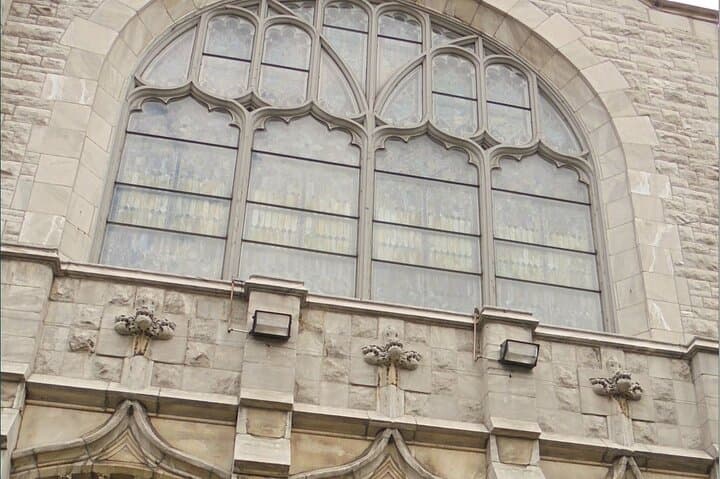
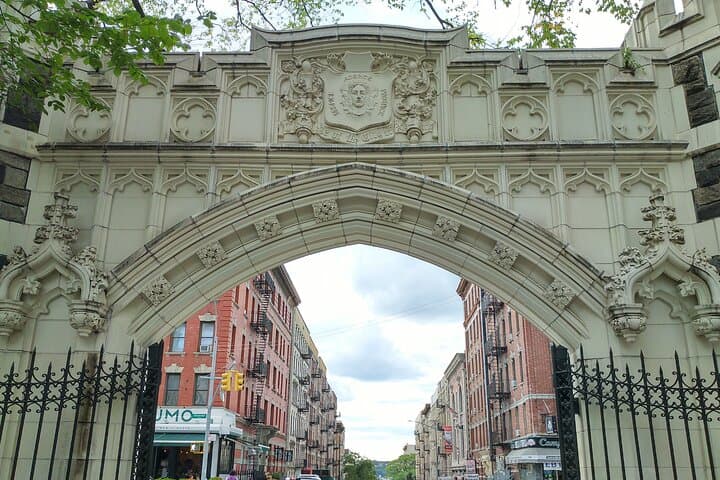
The choir service is the spine of the experience: a full, traditional gospel choir leading call-and-response worship in a neighborhood church whose stained glass and wooden pews have heard decades of neighborhood change. After worship the guide leads a paced walk through the turn-of-the-century streets, pointing out the neo-Gothic towers of the City College campus, the moved and restored Hamilton Grange (the house tied to Alexander Hamilton), and blocks that preserve the first historic district named for an African-American — all evidence of Harlem’s layered past from 19th-century development to the Harlem Renaissance.
Geology is subtle here: Manhattan’s schist underpins the elevated blocks and small rises that shape park sitelines; culturally, the area reads as a crossroads of migration, music and architecture. Expect brownstone facades, park benches, and memorial plaques more than dramatic summits.
Practically, plan for about 2–2.5 hours on foot, moderate pacing with stair-crossings and uneven sidewalks. Bring comfortable shoes, a refillable bottle, and a small amount of cash for church donations or local coffee. Photography is welcome, but dress respectfully for worship and listen closely — the best context for the neighborhood’s stories is often the choir itself.
moderate.
2–2.5 hours.
Requires steady, moderate fitness for walking on city sidewalks and climbing a few short flights of stairs; suitable for most adults.
Yes — bookings are required and the tour may sell out; the operator accepts mobile tickets and holds limited spots.
Yes — visitors are welcome to participate respectfully; follow the guide’s lead on seating and photography etiquette.
The route includes some stairs and uneven sidewalks and is not fully wheelchair-accessible; contact the operator with specific mobility needs before booking.
Meet at the northeast corner of St. Nicholas Avenue and W. 145th Street in front of 700 St. Nicholas Avenue; the guide will be present there at the listed start time.
Hamilton Grange was moved and restored to St. Nicholas Park and the neighborhood preserves architecture from late-19th and early-20th-century development tied to Harlem’s cultural rise.
Tours support local preservation by routing visitors to historic sites and encouraging respectful behavior; avoid littering, support neighborhood businesses, and respect places of worship.
Harlem One Stop Inc. operates guided outdoor trips and adventures with an emphasis on safety, stewardship, and memorable experiences.
A Sunday morning in Hamilton Heights begins with the low hum of subway brakes and the doorways of brownstones catching light. Participants gather at the northeast corner of St. Nicholas Avenue and W. 145th Street; from there the city loosens its pace as the group moves into a weekday-that-never-quite-began rhythm of sermon, song and stone.
A Sunday morning in Hamilton Heights begins with the low hum of subway brakes and the doorways of brownstones catching light. Participants gather at the northeast corner of St. Nicholas Avenue and W. 145th Street; from there the city loosens its pace as the group moves into a weekday-that-never-quite-began rhythm of sermon, song and stone.
The choir service is the spine of the experience: a full, traditional gospel choir leading call-and-response worship in a neighborhood church whose stained glass and wooden pews have heard decades of neighborhood change. After worship the guide leads a paced walk through the turn-of-the-century streets, pointing out the neo-Gothic towers of the City College campus, the moved and restored Hamilton Grange (the house tied to Alexander Hamilton), and blocks that preserve the first historic district named for an African-American — all evidence of Harlem’s layered past from 19th-century development to the Harlem Renaissance.
Geology is subtle here: Manhattan’s schist underpins the elevated blocks and small rises that shape park sitelines; culturally, the area reads as a crossroads of migration, music and architecture. Expect brownstone facades, park benches, and memorial plaques more than dramatic summits.
Practically, plan for about 2–2.5 hours on foot, moderate pacing with stair-crossings and uneven sidewalks. Bring comfortable shoes, a refillable bottle, and a small amount of cash for church donations or local coffee. Photography is welcome, but dress respectfully for worship and listen closely — the best context for the neighborhood’s stories is often the choir itself.