THE ADVENTURE COLLECTIVE® · Independent discovery and booking for outdoor travel

Turn a long transfer into a day of highland scenery, colonial chapels, and pre‑Inca archaeology. This guided bus trip between Cusco and Puno combines panoramic mountain passes and curated cultural stops with lunch and door‑to‑door service.
Turn a long transfer into a day of highland scenery, colonial chapels, and pre‑Inca archaeology. This guided bus trip between Cusco and Puno combines panoramic mountain passes and curated cultural stops with lunch and door‑to‑door service.
A highland road unfurls in front of the bus—a slow ribbon of asphalt cutting across puna grasslands, Andean peaks standing like old guardians. You leave Cusco at first light; the city’s stone walls shrink behind you as the Andes open into broad, wind-cut valleys. The day is spent moving through history: gilded chapel interiors, Inca stonework, and a string of villages where Quechua and Aymara lives still shape the rhythm.
Verified experiences and guided adventures in the surrounding area.
Operated by Inversiones Andean Fusion Sociedad Anonima Cerrada - Inanfu S.A.C. · Cusco, Cusco
A highland road unfurls in front of the bus—a slow ribbon of asphalt cutting across puna grasslands, Andean peaks standing like old guardians. You leave Cusco at first light; the city’s stone walls shrink behind you as the Andes open into broad, wind-cut valleys. The day is spent moving through history: gilded chapel interiors, Inca stonework, and a string of villages where Quechua and Aymara lives still shape the rhythm.
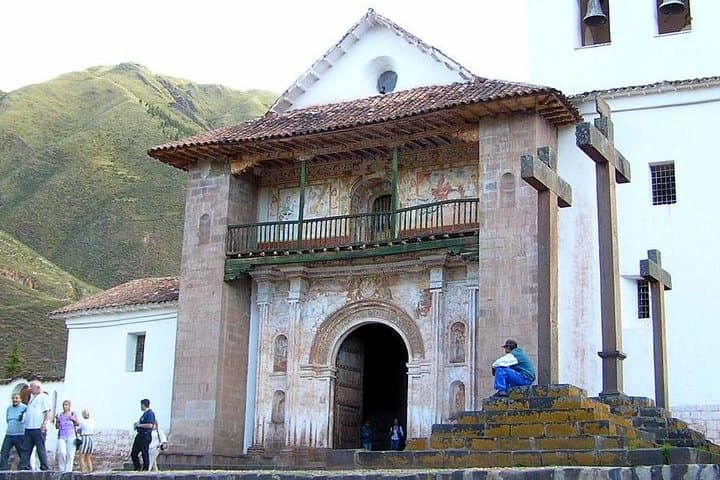
The route links colonial and pre‑Inca sites: the 16th‑century San Pedro de Andahuaylillas with its richly painted nave, the vast stone base of Raqchi and the Temple of Wiraqocha, plus the Pukará museum that preserves pre‑Inca artifacts. Geologically the corridor climbs to La Raya pass (4,338 m), a high puna zone dominated by ichu grass and broad sky—an elevation transition that frames the trip. Cultural continuity is visible in roadside markets, textile stalls, and herds of llamas and alpaca grazing on the slopes.
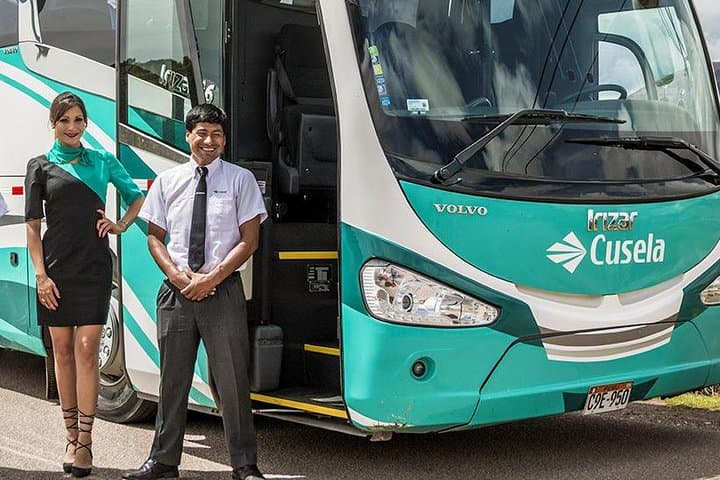
Practically, expect a full 10–11 hour day covering roughly 380 km by air-conditioned coach with onboard Wi‑Fi, snacks, and a buffet lunch in Sicuani. Morning light is best for photography and for reducing altitude shock, so the early departure is deliberate. Bring warm outer layers, sun protection, and water; plan for thin air at La Raya and modest walking at archaeological stops. Hotel pickup and drop‑off in central Cusco or Puno, entrance fees and guiding are included, so the day reads like a moving cultural itinerary—minimal logistics, maximum landscape and history.
easy.
10–11 hours.
Minimal fitness required for a seated coach trip; you should be comfortable with short walks (10–30 minutes) on uneven ground at altitude.
The transfer runs approximately 10–11 hours door‑to‑door, including guided stops and a lunch break in Sicuani.
Visits at Andahuaylillas, Raqchi and Pukará include short guided walks (20–60 minutes) focused on highlights, not full archaeological exploration.
Yes—the route reaches La Raya at 4,338 m; prior acclimatization, hydration, and avoiding alcohol the night before are recommended.
Yes—a buffet lunch, bottled water, entrance fees and guided commentary are included; notify in advance for vegetarian options.
The Sun Route follows corridors used since pre‑Inca times; sites like Pukará represent an early highland culture later influenced by the Inca and Spanish colonial periods.
The high Andean puna is fragile—stick to paths at archaeological sites, minimize single‑use plastics, and support local vendors to help sustain community economies.
Inversiones Andean Fusion Sociedad Anonima Cerrada - Inanfu S.A.C. operates guided outdoor trips and adventures with an emphasis on safety, stewardship, and memorable experiences.


A highland road unfurls in front of the bus—a slow ribbon of asphalt cutting across puna grasslands, Andean peaks standing like old guardians. You leave Cusco at first light; the city’s stone walls shrink behind you as the Andes open into broad, wind-cut valleys. The day is spent moving through history: gilded chapel interiors, Inca stonework, and a string of villages where Quechua and Aymara lives still shape the rhythm.
A highland road unfurls in front of the bus—a slow ribbon of asphalt cutting across puna grasslands, Andean peaks standing like old guardians. You leave Cusco at first light; the city’s stone walls shrink behind you as the Andes open into broad, wind-cut valleys. The day is spent moving through history: gilded chapel interiors, Inca stonework, and a string of villages where Quechua and Aymara lives still shape the rhythm.
The route links colonial and pre‑Inca sites: the 16th‑century San Pedro de Andahuaylillas with its richly painted nave, the vast stone base of Raqchi and the Temple of Wiraqocha, plus the Pukará museum that preserves pre‑Inca artifacts. Geologically the corridor climbs to La Raya pass (4,338 m), a high puna zone dominated by ichu grass and broad sky—an elevation transition that frames the trip. Cultural continuity is visible in roadside markets, textile stalls, and herds of llamas and alpaca grazing on the slopes.
Practically, expect a full 10–11 hour day covering roughly 380 km by air-conditioned coach with onboard Wi‑Fi, snacks, and a buffet lunch in Sicuani. Morning light is best for photography and for reducing altitude shock, so the early departure is deliberate. Bring warm outer layers, sun protection, and water; plan for thin air at La Raya and modest walking at archaeological stops. Hotel pickup and drop‑off in central Cusco or Puno, entrance fees and guiding are included, so the day reads like a moving cultural itinerary—minimal logistics, maximum landscape and history.