THE ADVENTURE COLLECTIVE® · Independent discovery and booking for outdoor travel

Sail from Puno across Lake Titicaca to Bolivia’s Sun Island for Inca terraces, reed-boat demos and a full-day catamaran cruise. Learn what to expect—border formalities, altitude tips and highlights of Inti Wata.
Sail from Puno across Lake Titicaca to Bolivia’s Sun Island for Inca terraces, reed-boat demos and a full-day catamaran cruise. Learn what to expect—border formalities, altitude tips and highlights of Inti Wata.
The catamaran cuts a slow arc across high-altitude water, and the wind on Lake Titicaca seems to push you forward with purpose. From the Puno transfer to the Copacabana harbor, travelers step into thin air and a landscape where sun-baked stone and reed boats meet the Andes’ ragged silhouette.
Verified experiences and guided adventures in the surrounding area.
Operated by VIPAC Travel · Copacabana, La Paz Department
The catamaran cuts a slow arc across high-altitude water, and the wind on Lake Titicaca seems to push you forward with purpose. From the Puno transfer to the Copacabana harbor, travelers step into thin air and a landscape where sun-baked stone and reed boats meet the Andes’ ragged silhouette.
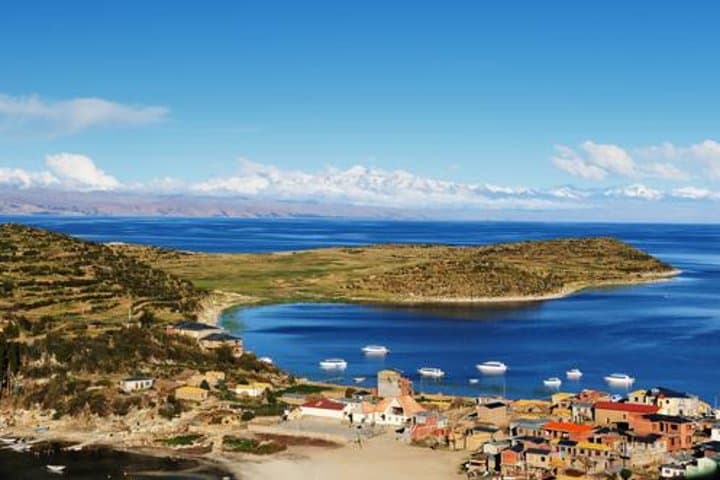
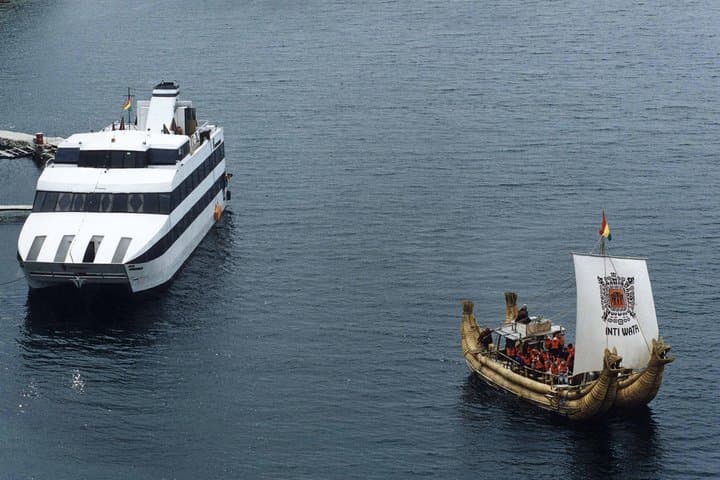
Sun Island (Isla del Sol) is framed by Inca lore: local guides point out terraces, stairways and fountains attributed to early Andean rulers and ceremonial life. Geologically, Titicaca sits in a tectonic basin that traps bright, cold air; the shoreline alternates between steep rocky rises and patches of peat and totora reeds used for traditional boatbuilding. Cultural touches—Pachamama terraces, reed-boat demonstrations at Inti Wata, and small handicraft displays—reveal living Andean traditions more than museum displays.
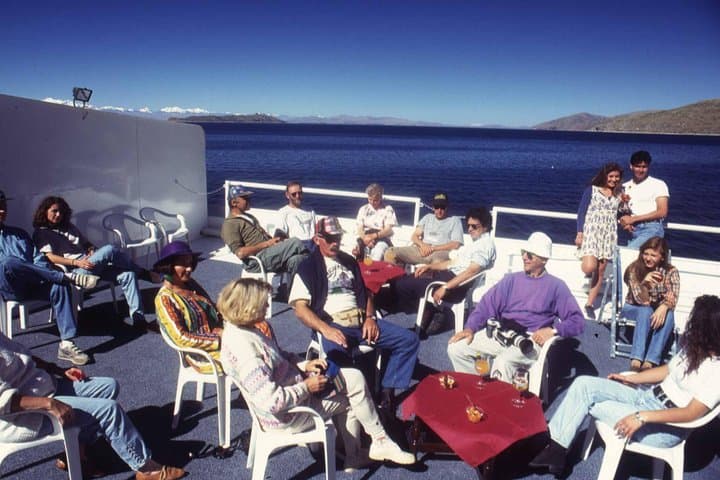
Expect several short walks on uneven stone, a guided visit to Inti Wata’s underground displays, and panoramic sailing past the Tiquina strait and vehicle pontoons. Lunch on board is typically a buffet of local fare. Border formalities to Bolivia are a firm part of the day—passports and any necessary visas are required.
Practically: layer for sun, wind and cold; sip water to counter altitude effects; wear sturdy shoes for stepped terraces; and carry currency for small entrance fees or purchases. The day is long but designed for steady discovery—quiet reed craft, open-water runs, and an island that still speaks with the voice of the high Andes.
moderate.
10–12 hours.
Suitable for travelers with moderate fitness who can handle multiple short walks, uneven stone steps, and a long day at altitude.
Yes—this itinerary crosses into Bolivia. A valid passport is required and some nationalities need a visa; confirm entry requirements before booking.
Yes—a buffet lunch on the catamaran is included in the tour price.
The outing is a full-day excursion (about 10–12 hours). Transfers often continue by land toward La Paz; confirm the end point when booking.
Not recommended for travelers with serious mobility limitations due to uneven paths and stone steps on Sun Island; consult the operator for specifics.
Sun Island is associated in Andean tradition with Manco Cápac and the origins of the Inca—archaeological remains and terracing reflect centuries of highland agriculture and ritual use.
Lake Titicaca’s reed beds and high-altitude wetlands are fragile; stick to marked paths, avoid disturbing reed craftsmen’s sites, and minimize plastic use to protect the basin.
VIPAC Travel operates guided outdoor trips and adventures with an emphasis on safety, stewardship, and memorable experiences.
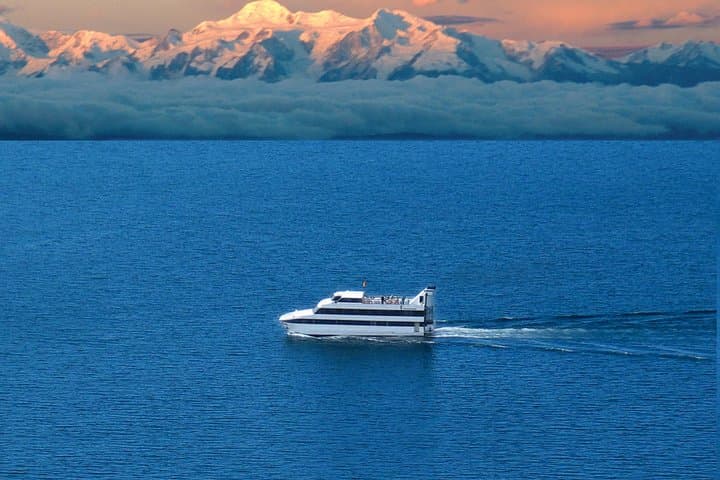
The catamaran cuts a slow arc across high-altitude water, and the wind on Lake Titicaca seems to push you forward with purpose. From the Puno transfer to the Copacabana harbor, travelers step into thin air and a landscape where sun-baked stone and reed boats meet the Andes’ ragged silhouette.
The catamaran cuts a slow arc across high-altitude water, and the wind on Lake Titicaca seems to push you forward with purpose. From the Puno transfer to the Copacabana harbor, travelers step into thin air and a landscape where sun-baked stone and reed boats meet the Andes’ ragged silhouette.
Sun Island (Isla del Sol) is framed by Inca lore: local guides point out terraces, stairways and fountains attributed to early Andean rulers and ceremonial life. Geologically, Titicaca sits in a tectonic basin that traps bright, cold air; the shoreline alternates between steep rocky rises and patches of peat and totora reeds used for traditional boatbuilding. Cultural touches—Pachamama terraces, reed-boat demonstrations at Inti Wata, and small handicraft displays—reveal living Andean traditions more than museum displays.
Expect several short walks on uneven stone, a guided visit to Inti Wata’s underground displays, and panoramic sailing past the Tiquina strait and vehicle pontoons. Lunch on board is typically a buffet of local fare. Border formalities to Bolivia are a firm part of the day—passports and any necessary visas are required.
Practically: layer for sun, wind and cold; sip water to counter altitude effects; wear sturdy shoes for stepped terraces; and carry currency for small entrance fees or purchases. The day is long but designed for steady discovery—quiet reed craft, open-water runs, and an island that still speaks with the voice of the high Andes.