THE ADVENTURE COLLECTIVE® · Independent discovery and booking for outdoor travel

A night ascent of Ol Doinyo Lengai delivers a rare geological show—Tanzania’s only carbonatite volcano—plus Maasai cultural context and sunrise views over Lake Natron. This 2–3 day guided climb is steep, loose underfoot, and best attempted in the dry season with a good guide.
A night ascent of Ol Doinyo Lengai delivers a rare geological show—Tanzania’s only carbonatite volcano—plus Maasai cultural context and sunrise views over Lake Natron. This 2–3 day guided climb is steep, loose underfoot, and best attempted in the dry season with a good guide.
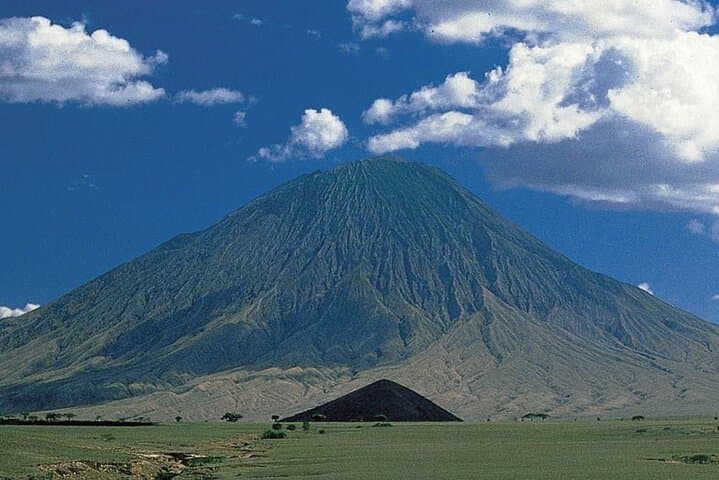
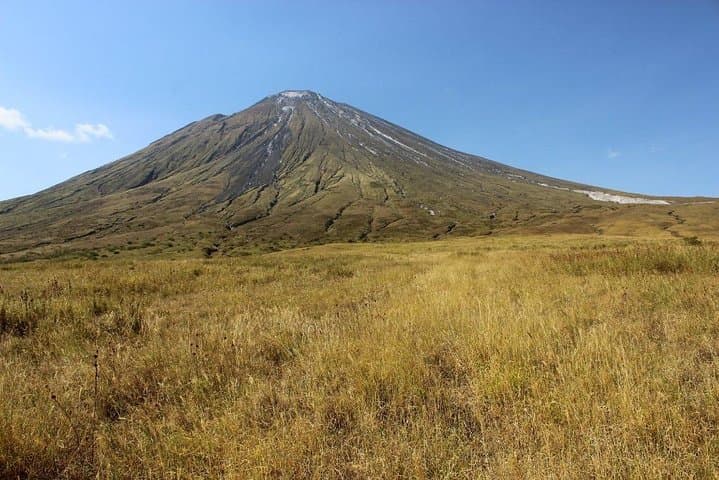
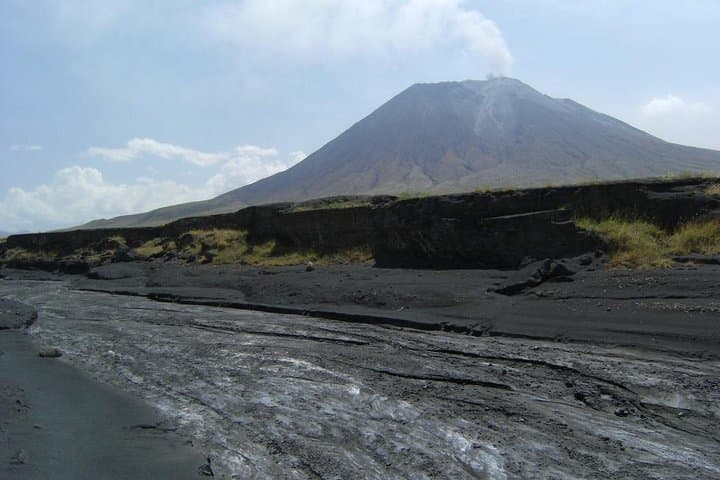
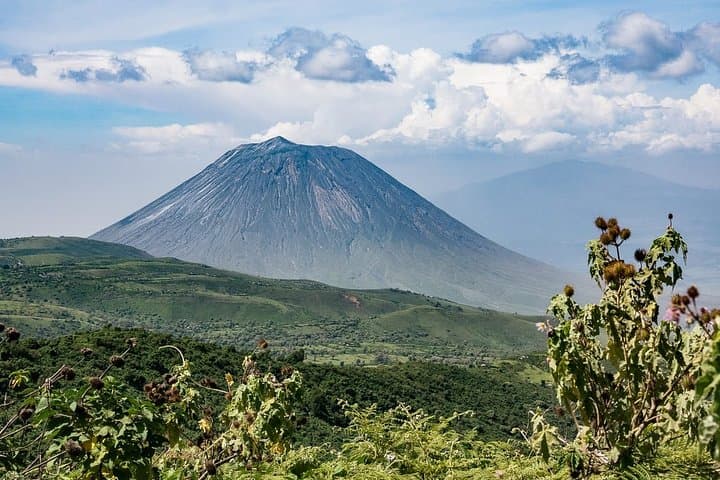
When you climb Ol Doinyo Lengai at night, the world compresses to the sound of boots on scree and the sky a slow wheel of stars. The ascent starts from the Lake Natron area before dawn; headlamps pick out tufts of scrub as the mountain’s black slopes rise into chill thin air. At the summit you stand above a smoking caldera—Tanzania’s most active volcano and the only known carbonatite source of natrocarbonatite lava—an elemental landscape that feels both raw and sacred.
Verified experiences and guided adventures in the surrounding area.
Operated by Africa Outland Tours · Ngaresero, Manyara
When you climb Ol Doinyo Lengai at night, the world compresses to the sound of boots on scree and the sky a slow wheel of stars. The ascent starts from the Lake Natron area before dawn; headlamps pick out tufts of scrub as the mountain’s black slopes rise into chill thin air. At the summit you stand above a smoking caldera—Tanzania’s most active volcano and the only known carbonatite source of natrocarbonatite lava—an elemental landscape that feels both raw and sacred.
Geology here is unusual: carbonatite lava produces low-temperature, silica-poor flows and a crater rim littered with dark volcanic glass. Maasai history and oral tradition call this peak “Ol Doinyo Lengai,” the Mountain of God, and many local communities regard the summit as a place of pilgrimage. Cultural encounters in Ngaresero Village and the drive beside Lake Natron add human context: flamingo flats and salt pans sit like salt-silver mirrors below the slopes.
Practically, guided climbs are run as an overnight 2–3 day tour from Arusha or Moshi with an early-night push to catch sunrise. Expect steep, loose talus, short sections of scrambling, and cold winds above 2,500–2,900 m. Hydrate, layer for sub-zero summit conditions, and use a steady pace on the loose rock to protect knees on descent. Local guides set the route and manage camp logistics; permits and a guide are standard practice.
This is a demanding, singular climb—physically straightforward but unforgiving of poor planning. Respect Maasai customs, pack out waste, and time your trip for the drier months for the best visibility.
challenging.
3 days.
Good aerobic fitness and leg strength; comfortable with long uphill hikes and descending on loose scree
Yes—guided climbs are standard; local operators handle permits, route-finding and safety, and many treks are run as private or small-group tours.
The long dry season (June–October) offers the most stable weather and clear summit views; avoid the March–May long rains when trails are slippery.
The summit sits around 2,500–2,900 m depending on route—some people feel mild effects; acclimatize in Arusha or nearby and drink water, but severe altitude issues are uncommon at this height for fit hikers.
The route involves steep hiking and short scrambling on loose volcanic rock, but no technical ropework; good footwear and experience on talus is important.
Named by the Maasai as the ‘Mountain of God,’ Ol Doinyo Lengai is a sacred landscape and the only active carbonatite volcano in the world with recorded eruptions since the 19th century.
The fragile volcanic soils and flamingo breeding habitats are sensitive—stay on established tracks, pack out waste and follow guides’ instructions to limit impact.
Africa Outland Tours operates guided outdoor trips and adventures with an emphasis on safety, stewardship, and memorable experiences.
When you climb Ol Doinyo Lengai at night, the world compresses to the sound of boots on scree and the sky a slow wheel of stars. The ascent starts from the Lake Natron area before dawn; headlamps pick out tufts of scrub as the mountain’s black slopes rise into chill thin air. At the summit you stand above a smoking caldera—Tanzania’s most active volcano and the only known carbonatite source of natrocarbonatite lava—an elemental landscape that feels both raw and sacred.
When you climb Ol Doinyo Lengai at night, the world compresses to the sound of boots on scree and the sky a slow wheel of stars. The ascent starts from the Lake Natron area before dawn; headlamps pick out tufts of scrub as the mountain’s black slopes rise into chill thin air. At the summit you stand above a smoking caldera—Tanzania’s most active volcano and the only known carbonatite source of natrocarbonatite lava—an elemental landscape that feels both raw and sacred.
Geology here is unusual: carbonatite lava produces low-temperature, silica-poor flows and a crater rim littered with dark volcanic glass. Maasai history and oral tradition call this peak “Ol Doinyo Lengai,” the Mountain of God, and many local communities regard the summit as a place of pilgrimage. Cultural encounters in Ngaresero Village and the drive beside Lake Natron add human context: flamingo flats and salt pans sit like salt-silver mirrors below the slopes.
Practically, guided climbs are run as an overnight 2–3 day tour from Arusha or Moshi with an early-night push to catch sunrise. Expect steep, loose talus, short sections of scrambling, and cold winds above 2,500–2,900 m. Hydrate, layer for sub-zero summit conditions, and use a steady pace on the loose rock to protect knees on descent. Local guides set the route and manage camp logistics; permits and a guide are standard practice.
This is a demanding, singular climb—physically straightforward but unforgiving of poor planning. Respect Maasai customs, pack out waste, and time your trip for the drier months for the best visibility.