THE ADVENTURE COLLECTIVE® · Independent discovery and booking for outdoor travel

Climb from Piano Provenzana to Etna's Central Crater with certified volcanological guides. This small-group ascent blends raw volcanic terrain, sweeping views, and expert interpretation in a roughly 6-hour outing.
Climb from Piano Provenzana to Etna's Central Crater with certified volcanological guides. This small-group ascent blends raw volcanic terrain, sweeping views, and expert interpretation in a roughly 6-hour outing.
You start at Piano Provenzana with cold wind cutting across black pumice and the low rumble of the mountain underfoot. A fleet of 4x4s takes the group to about 2,900 m, dropping you onto a moonscape of jagged lava and loose scoria. From here the trail climbs—steep, raw, and exposed—toward the Central Crater at roughly 3,300 m where the ground seems to breathe and the Aeolian Islands slice the horizon.
Verified experiences and guided adventures in the surrounding area.
Operated by Trip on Top / Official Etna Guides · Linguaglossa, Sicily
You start at Piano Provenzana with cold wind cutting across black pumice and the low rumble of the mountain underfoot. A fleet of 4x4s takes the group to about 2,900 m, dropping you onto a moonscape of jagged lava and loose scoria. From here the trail climbs—steep, raw, and exposed—toward the Central Crater at roughly 3,300 m where the ground seems to breathe and the Aeolian Islands slice the horizon.
Etna is Europe’s most active stratovolcano; its flank records alternating flows of viscous lava and explosive ash layers that have shaped local towns and soil. Northern slopes around Piano Provenzana bear traces of recent eruptions and the small-scale agriculture of Linguaglossa, where vines push through mineral-rich soils. Volcanological guides on this route explain crater formation, fumaroles, and how Etna’s eruptions have steered Sicilian settlement and craft.
Practically, expect a 6-hour outing: a 4x4 approach, then about 6 km round-trip hiking with roughly 400 m of on-foot elevation gain on unstable scree and volcanic deposits. The summit section is exposed; weather can change fast, and visibility determines the return line. Groups are intentionally small (max 10) and led by certified volcano guides who provide safety briefings and context.
Prepare with stiff-soled boots, windproof layers, sun protection and at least 2 liters of water. Move deliberately on loose rock, respect closed zones near active vents, and allow time for altitude effects. The experience pairs raw geology with panoramic views—a technical but accessible ascent for fit hikers ready to meet the volcano on its own terms.
challenging.
6 hours.
High level of cardiovascular fitness and hiking experience; comfortable on steep, loose terrain and at high elevation.
The hike is challenging: about 6 km round-trip with roughly 400 m of uphill on loose volcanic scree; solid fitness and surefootedness are required.
Guides lead to the Central Crater area near 3,300 m; access to active vents or exact summit points may be restricted for safety or activity levels.
Tours can be canceled or rerouted by the operator for safety—check cancellation policies and bring layers as conditions change rapidly at elevation.
No individual permit is typically needed for guided summit treks; certified volcanological guides take care of local regulations and route clearance.
Etna has been continuously active for millennia; its eruptions shaped settlement patterns and created the fertile soils that sustain local vineyards.
Stick to marked paths and avoid collecting lava rock—high foot traffic and removal of geological material accelerate erosion and damage fragile volcanic habitats.
Trip on Top / Official Etna Guides operates guided outdoor trips and adventures with an emphasis on safety, stewardship, and memorable experiences.
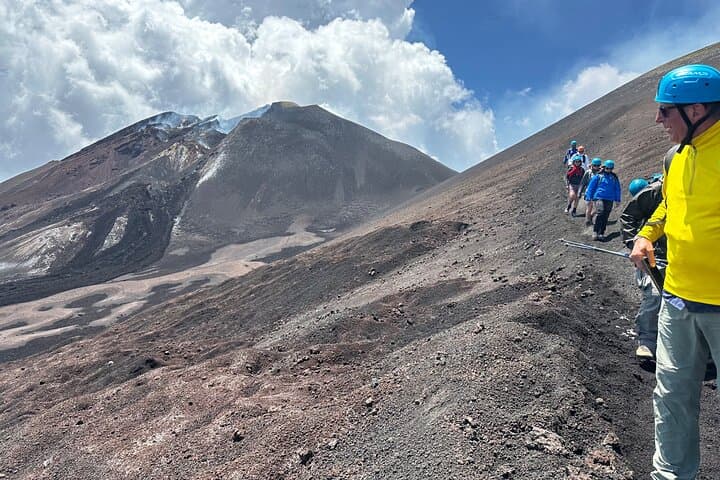
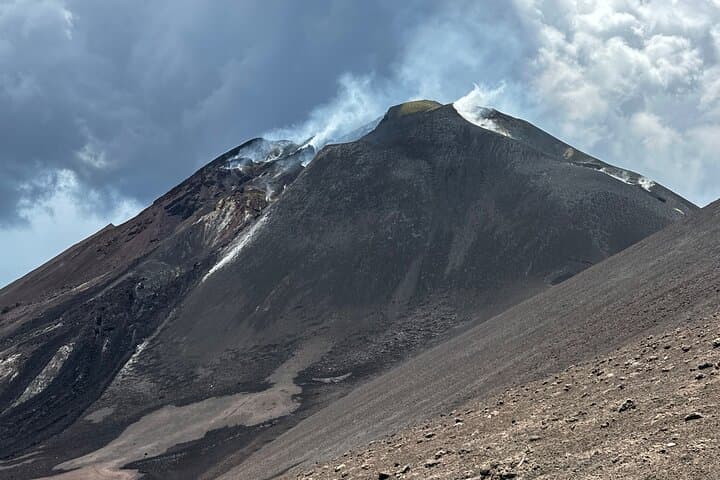
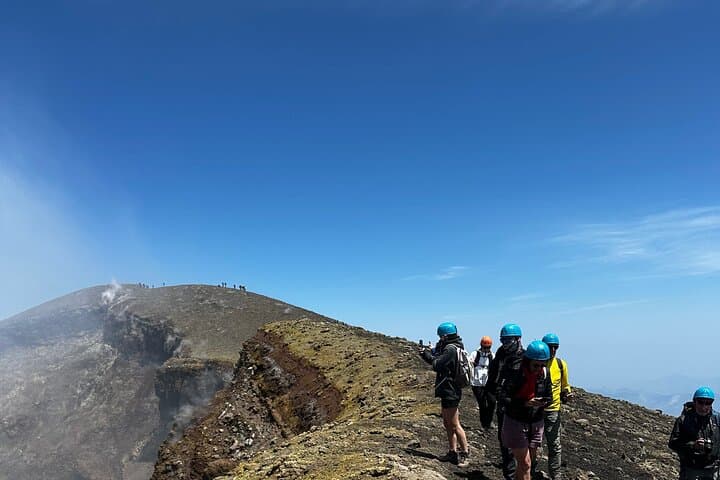
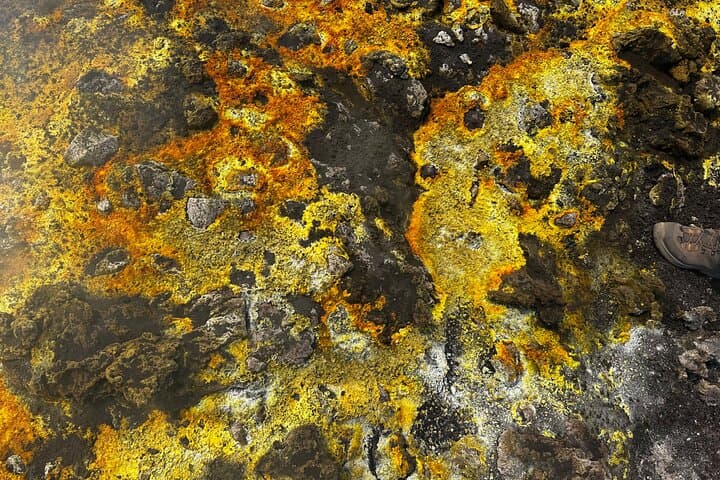
You start at Piano Provenzana with cold wind cutting across black pumice and the low rumble of the mountain underfoot. A fleet of 4x4s takes the group to about 2,900 m, dropping you onto a moonscape of jagged lava and loose scoria. From here the trail climbs—steep, raw, and exposed—toward the Central Crater at roughly 3,300 m where the ground seems to breathe and the Aeolian Islands slice the horizon.
You start at Piano Provenzana with cold wind cutting across black pumice and the low rumble of the mountain underfoot. A fleet of 4x4s takes the group to about 2,900 m, dropping you onto a moonscape of jagged lava and loose scoria. From here the trail climbs—steep, raw, and exposed—toward the Central Crater at roughly 3,300 m where the ground seems to breathe and the Aeolian Islands slice the horizon.
Etna is Europe’s most active stratovolcano; its flank records alternating flows of viscous lava and explosive ash layers that have shaped local towns and soil. Northern slopes around Piano Provenzana bear traces of recent eruptions and the small-scale agriculture of Linguaglossa, where vines push through mineral-rich soils. Volcanological guides on this route explain crater formation, fumaroles, and how Etna’s eruptions have steered Sicilian settlement and craft.
Practically, expect a 6-hour outing: a 4x4 approach, then about 6 km round-trip hiking with roughly 400 m of on-foot elevation gain on unstable scree and volcanic deposits. The summit section is exposed; weather can change fast, and visibility determines the return line. Groups are intentionally small (max 10) and led by certified volcano guides who provide safety briefings and context.
Prepare with stiff-soled boots, windproof layers, sun protection and at least 2 liters of water. Move deliberately on loose rock, respect closed zones near active vents, and allow time for altitude effects. The experience pairs raw geology with panoramic views—a technical but accessible ascent for fit hikers ready to meet the volcano on its own terms.