THE ADVENTURE COLLECTIVE® · Independent discovery and booking for outdoor travel

A fast-paced, guided ascent of Jebel Toubkal over two days from Marrakech—travel through Berber villages, sleep at the Toubkal Refuge, and summit North Africa's highest peak. Expect steep gains, granite terrain, and stunning high-mountain panoramas.
A fast-paced, guided ascent of Jebel Toubkal over two days from Marrakech—travel through Berber villages, sleep at the Toubkal Refuge, and summit North Africa's highest peak. Expect steep gains, granite terrain, and stunning high-mountain panoramas.
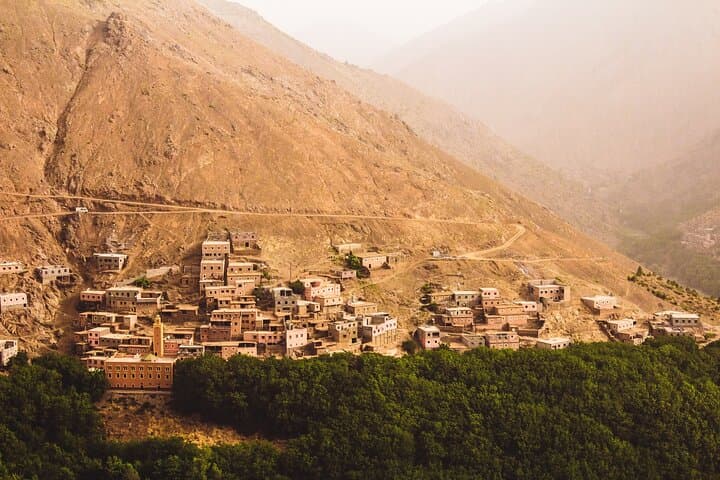
Dawn breaks over Marrakech as a private transfer threads the red city into the high valleys beyond—by midmorning the village of Imlil sits under a ring of granite ridges, cold air pushing at your cuffs.
Verified experiences and guided adventures in the surrounding area.
Operated by Morocco Tours Toubkal Trek · Imlil, Marrakesh-Safi
Dawn breaks over Marrakech as a private transfer threads the red city into the high valleys beyond—by midmorning the village of Imlil sits under a ring of granite ridges, cold air pushing at your cuffs.
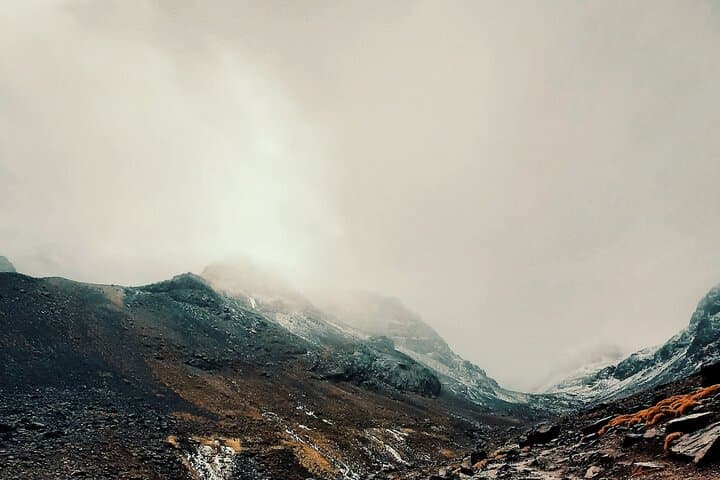
Over two days a local, English-speaking guide leads the party through Aroumd’s terraced fields, past mule trains and dry-stone hamlets, up steep switchbacks to the Toubkal Refuge (≈3,200 m). Geologically the High Atlas is young, jagged uplift and weathered granite that forces hikers across shale talus and compact scree; the summit of Jebel Toubkal rises to 4,167 m, North Africa’s highest point.
Culture threads the route—Berber villages where mint tea is an invitation, and local muleteers moving luggage the old way. History here is both human and tectonic: seasonal pastoralism shaped the valleys long before trekking arrived.
Practical notes are simple and decisive. Expect 1,200–1,500 m of gain on day one and nearly 1,000 m on summit day, with rocky, sometimes icy ground depending on season. Footwear with firm ankle support, layered insulation, and trekking poles matter more than speed. Start pre-dawn for the summit push to avoid afternoon wind and unstable scree; the return to Marrakech typically fills the late afternoon.
Guides arrange refuge accommodation and meals; mules carry luggage, letting hikers travel light. Altitude awareness is essential—move deliberately, hydrate, and communicate any symptoms to your guide.
The reward is immediate: a 360° panorama where Atlas ridgelines push toward the Sahara, and the mountains themselves feel like a living challenge—insistent, honest, and worth the climb.
challenging.
2 days.
Good aerobic fitness and experience on sustained uphill hikes; able to carry a daypack over steep, rocky terrain.
The route is non-technical but challenging: expect steep, sustained uphill sections and nearly 1,000 m of elevation gain on summit day; good fitness is required.
No technical climbing skills are needed—this is a strenuous hike—however prior multi-day hiking experience is strongly recommended.
The Toubkal Refuge is basic mountain lodging with dormitory-style beds and communal meals organized by the guides; it’s practical, not luxurious.
Yes—mules are used to transport luggage to the refuge; hikers should carry a comfortable daypack with essentials and valuables.
Berber communities have lived seasonally in these valleys for centuries; the Atlas mountains have long been routes for pastoralism and trade between plains and highlands.
Visitors should stick to established trails, avoid disturbing spring water sources, and respect grazing zones—local guides help minimize impact and support community-based tourism.
Morocco Tours Toubkal Trek operates guided outdoor trips and adventures with an emphasis on safety, stewardship, and memorable experiences.


Dawn breaks over Marrakech as a private transfer threads the red city into the high valleys beyond—by midmorning the village of Imlil sits under a ring of granite ridges, cold air pushing at your cuffs.
Dawn breaks over Marrakech as a private transfer threads the red city into the high valleys beyond—by midmorning the village of Imlil sits under a ring of granite ridges, cold air pushing at your cuffs.
Over two days a local, English-speaking guide leads the party through Aroumd’s terraced fields, past mule trains and dry-stone hamlets, up steep switchbacks to the Toubkal Refuge (≈3,200 m). Geologically the High Atlas is young, jagged uplift and weathered granite that forces hikers across shale talus and compact scree; the summit of Jebel Toubkal rises to 4,167 m, North Africa’s highest point.
Culture threads the route—Berber villages where mint tea is an invitation, and local muleteers moving luggage the old way. History here is both human and tectonic: seasonal pastoralism shaped the valleys long before trekking arrived.
Practical notes are simple and decisive. Expect 1,200–1,500 m of gain on day one and nearly 1,000 m on summit day, with rocky, sometimes icy ground depending on season. Footwear with firm ankle support, layered insulation, and trekking poles matter more than speed. Start pre-dawn for the summit push to avoid afternoon wind and unstable scree; the return to Marrakech typically fills the late afternoon.
Guides arrange refuge accommodation and meals; mules carry luggage, letting hikers travel light. Altitude awareness is essential—move deliberately, hydrate, and communicate any symptoms to your guide.
The reward is immediate: a 360° panorama where Atlas ridgelines push toward the Sahara, and the mountains themselves feel like a living challenge—insistent, honest, and worth the climb.