THE ADVENTURE COLLECTIVE® · Independent discovery and booking for outdoor travel

A private guided ascent to Mt Ruapehu’s crater plateau offers a full-day, high-alpine experience: a changing crater lake, raw volcanic terrain and panoramic North Island views. Expect uneven ground, possible snow and guided crampon work in winter.
A private guided ascent to Mt Ruapehu’s crater plateau offers a full-day, high-alpine experience: a changing crater lake, raw volcanic terrain and panoramic North Island views. Expect uneven ground, possible snow and guided crampon work in winter.
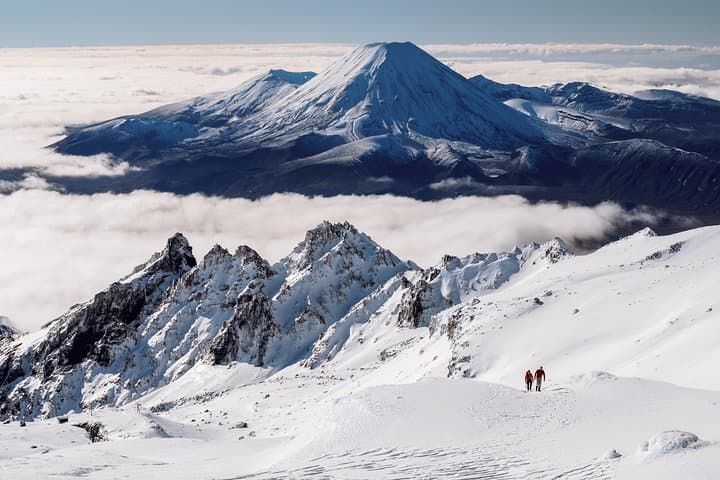
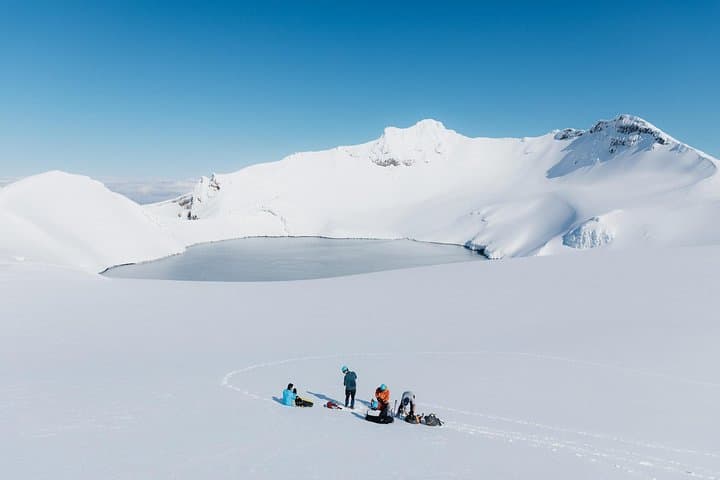
Early light slices across pumice and scoria as you step from the transfer vehicle into a wind that tests your layers and sharpens every sight. The summit plateau of Mt Ruapehu opens like a raw, living map: a rim of rock, a milky crater lake that shifts from deep green to pale blue depending on subterranean heat, and broad vistas across the Central Plateau.
Verified experiences and guided adventures in the surrounding area.
Operated by Adrift Tongariro · National Park Village, Manawatu-Whanganui
Early light slices across pumice and scoria as you step from the transfer vehicle into a wind that tests your layers and sharpens every sight. The summit plateau of Mt Ruapehu opens like a raw, living map: a rim of rock, a milky crater lake that shifts from deep green to pale blue depending on subterranean heat, and broad vistas across the Central Plateau.
Geology here is immediate — Ruapehu is an active andesitic volcano rising to about 2,797 m, its crater reshaped by eruptions and glacier action. Māori history and oral traditions give this mountain mana (authority); the area sits inside Tongariro National Park, one of the world’s earliest dual natural–cultural UNESCO listings. The crater lake itself is fed by geothermal activity and seasonal snowmelt, changing colour with temperature and mineral content.
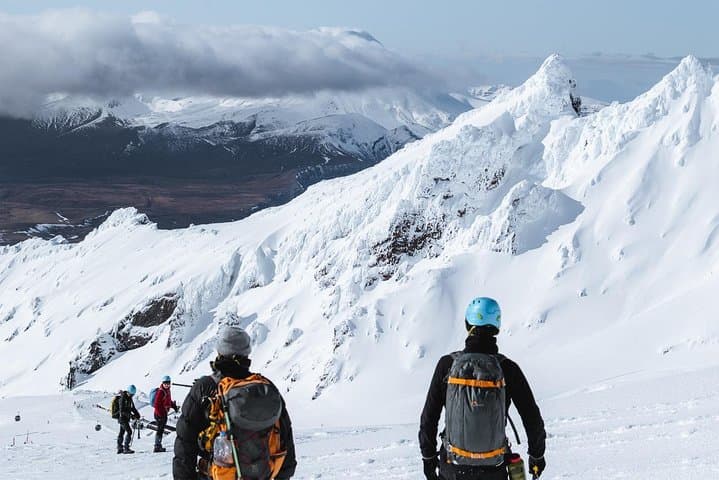
On a guided summit plateau hike you’ll move over uneven, non-track terrain that’s steeper and less stable than the Tongariro Alpine Crossing. In winter expect snow and ice; guides provide crampons and ice axes and teach basic alpine technique before you step out. The route rewards effort with a high-alpine panorama, a chance to peer into the crater’s steaming basin, and a sheltered summit lunch.
Practical notes: allow a full day, bring layered insulation and waterproofs, and carry 1–2 litres of water. Tell your guide about medical needs ahead of time and be prepared for sudden weather shifts — mountain conditions change fast. If you’re fit, comfortable on steep ground, and curious about raw volcanic landscapes, this guided summit experience delivers a memorable, hands-on encounter with New Zealand’s highest North Island peak.
difficult.
7–9 hours (full day).
Requires a high level of cardiovascular fitness and comfort on steep, uneven alpine terrain for sustained periods.
The tour is a full-day outing (about 7–9 hours door-to-door); it’s strenuous with steep, uneven terrain and requires a high fitness level.
They’re required in winter and sometimes in shoulder seasons; guides provide and fit them and will teach basic use before moving onto icy sections.
Minimum age is 12 years; a minimum of two people is required for the private tour to operate.
Transfers from Taupo, Turangi, Ohakune and Whakapapa Village are available on request (additional charge and minimums apply).
Mt Ruapehu is the North Island’s highest volcano and sits within Tongariro National Park, an area of deep cultural significance to local Māori and one of the first combined cultural and natural UNESCO sites.
Alpine plants and soils are fragile—stay on advised routes, pack out all waste, and follow guide instructions to minimize erosion and disturbance.
Adrift Tongariro operates guided outdoor trips and adventures with an emphasis on safety, stewardship, and memorable experiences.

Early light slices across pumice and scoria as you step from the transfer vehicle into a wind that tests your layers and sharpens every sight. The summit plateau of Mt Ruapehu opens like a raw, living map: a rim of rock, a milky crater lake that shifts from deep green to pale blue depending on subterranean heat, and broad vistas across the Central Plateau.
Early light slices across pumice and scoria as you step from the transfer vehicle into a wind that tests your layers and sharpens every sight. The summit plateau of Mt Ruapehu opens like a raw, living map: a rim of rock, a milky crater lake that shifts from deep green to pale blue depending on subterranean heat, and broad vistas across the Central Plateau.
Geology here is immediate — Ruapehu is an active andesitic volcano rising to about 2,797 m, its crater reshaped by eruptions and glacier action. Māori history and oral traditions give this mountain mana (authority); the area sits inside Tongariro National Park, one of the world’s earliest dual natural–cultural UNESCO listings. The crater lake itself is fed by geothermal activity and seasonal snowmelt, changing colour with temperature and mineral content.
On a guided summit plateau hike you’ll move over uneven, non-track terrain that’s steeper and less stable than the Tongariro Alpine Crossing. In winter expect snow and ice; guides provide crampons and ice axes and teach basic alpine technique before you step out. The route rewards effort with a high-alpine panorama, a chance to peer into the crater’s steaming basin, and a sheltered summit lunch.
Practical notes: allow a full day, bring layered insulation and waterproofs, and carry 1–2 litres of water. Tell your guide about medical needs ahead of time and be prepared for sudden weather shifts — mountain conditions change fast. If you’re fit, comfortable on steep ground, and curious about raw volcanic landscapes, this guided summit experience delivers a memorable, hands-on encounter with New Zealand’s highest North Island peak.