THE ADVENTURE COLLECTIVE® · Independent discovery and booking for outdoor travel

Climb to Spain’s highest peak on a private guided trek, then ride the cable car back through Teide National Park’s dramatic volcanic terrain. This full-day outing combines steady uphill hiking, panoramic summit views and expert local guiding.
Climb to Spain’s highest peak on a private guided trek, then ride the cable car back through Teide National Park’s dramatic volcanic terrain. This full-day outing combines steady uphill hiking, panoramic summit views and expert local guiding.
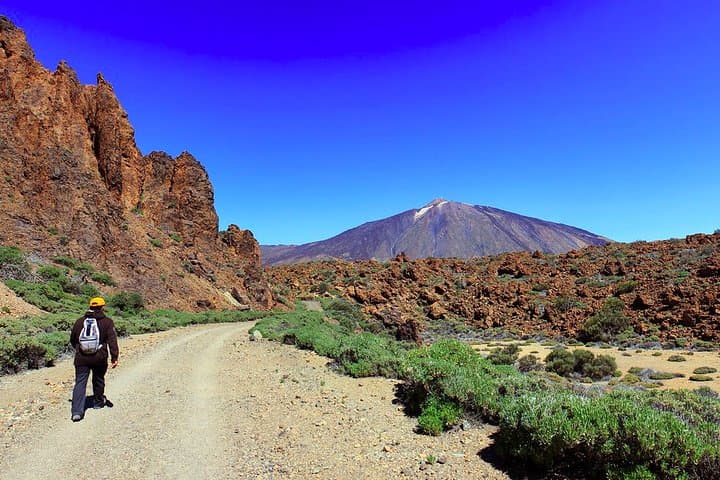
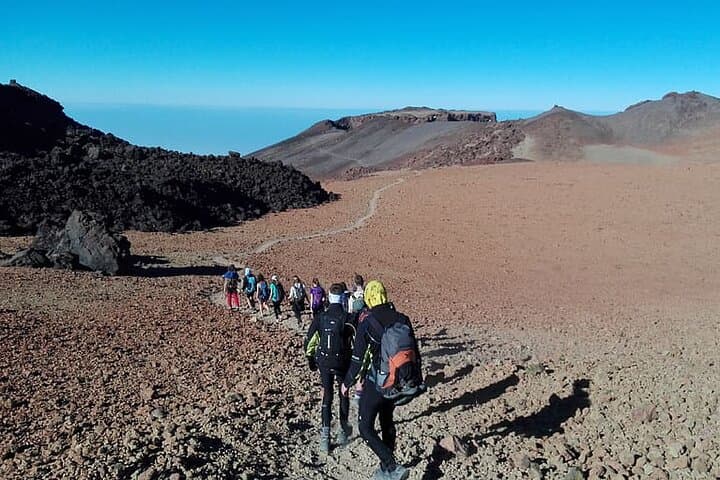
You set off from your hotel before sunrise, the van slipping through volcanic moonscape as the first light paints the caldera. At Teide National Park the air thins and the trail tilts upward; lava rock crunches beneath your boots and the guide calls occasional stops so the group can breathe and take in the widening horizon.
Verified experiences and guided adventures in the surrounding area.
Operated by Tour Travel & More · La Orotava, Canary Islands
You set off from your hotel before sunrise, the van slipping through volcanic moonscape as the first light paints the caldera. At Teide National Park the air thins and the trail tilts upward; lava rock crunches beneath your boots and the guide calls occasional stops so the group can breathe and take in the widening horizon.
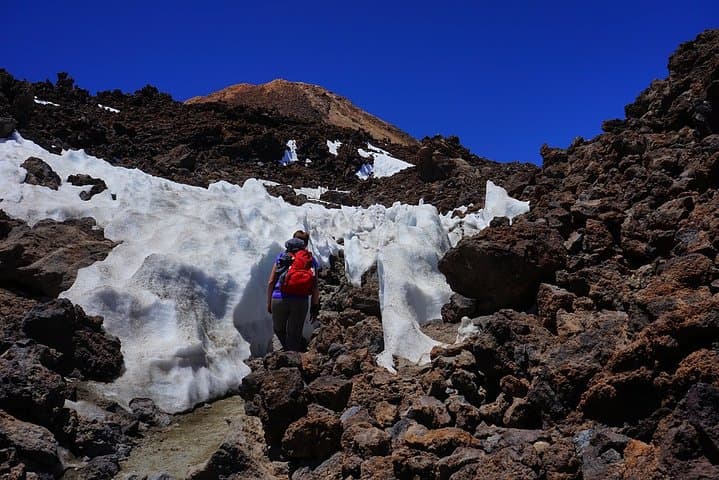
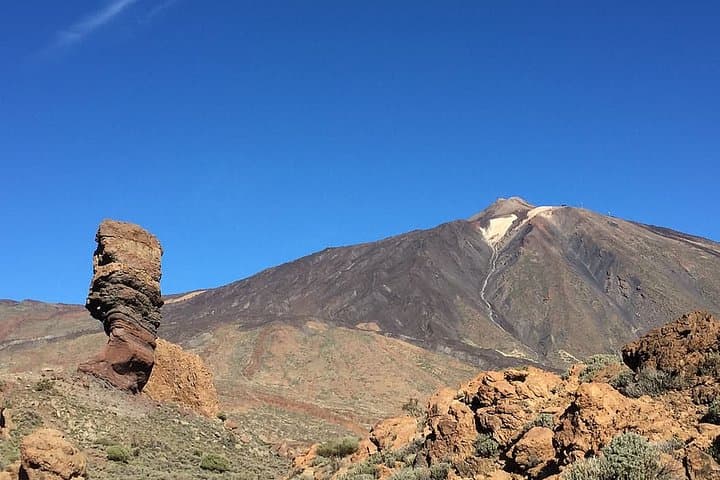
Teide is the highest point in Spain, a volcano shaped by repeated eruptions and sculpted by wind and time. The park’s geological story is obvious in banded lava flows, pumice fields and obsidian-streaked outcrops. Indigenous Guanche people considered the mountain sacred; later explorers used its slopes to study volcanic processes and island ecology.
Culture here is pared-down: small mountain villages, Canarian stone walls and endemic plants like tajinaste clinging to cracks. The summit offers broad ocean views and, on clear days, neighboring islands hovering on the horizon. Wind and sun are active characters—plan for both.
Practically, this is a long, guided day: expect roughly 5–6 hours of uphill walking and a total 8–9 hour outing including transfers. Guides provide water breaks and a picnic; the return uses the cable car when weather allows. Important considerations include altitude (over 3,500 m), variable weather and cable-car closures in high winds. Bring layered clothing, sturdy boots, 2+ liters of water, sun protection and a light headlamp for the early start. If the cable car is closed you may need to descend on foot or reschedule—check conditions the day before. With preparation, the hike to Teide’s summit is a raw, high-elevation day that rewards persistence with one of the clearest island views in the Atlantic.
challenging.
8–9 hours (5–6 hours ascent).
Good aerobic fitness and experience with sustained uphill hiking; comfortable with long days and high elevation.
The ascent is long (about 5–6 hours) with steady uphill sections and rocky terrain; it’s challenging mainly due to duration and altitude rather than technical climbing.
No — the cable car closes in strong winds or bad weather. If it’s closed you may have to walk down or reschedule; guides monitor conditions closely before departure.
Access to the final cone (Pico del Teide) requires a free permit issued by park authorities; confirm with the operator whether the itinerary includes the summit permit.
If conditions make the route unsafe or the cable car cannot run, the operator may reschedule or cancel with refund rules applying; always check cancellation policy and weather forecasts before the tour.
Teide has been important to the Guanche people and later scientific study—19th-century naturalists used the mountain to study volcanic geology and island biogeography.
Teide National Park is a protected area with strict trail regulations and permit systems; stick to marked paths, avoid collecting rock or plants and follow guide instructions to minimize impact.
Tour Travel & More operates guided outdoor trips and adventures with an emphasis on safety, stewardship, and memorable experiences.
You set off from your hotel before sunrise, the van slipping through volcanic moonscape as the first light paints the caldera. At Teide National Park the air thins and the trail tilts upward; lava rock crunches beneath your boots and the guide calls occasional stops so the group can breathe and take in the widening horizon.
You set off from your hotel before sunrise, the van slipping through volcanic moonscape as the first light paints the caldera. At Teide National Park the air thins and the trail tilts upward; lava rock crunches beneath your boots and the guide calls occasional stops so the group can breathe and take in the widening horizon.
Teide is the highest point in Spain, a volcano shaped by repeated eruptions and sculpted by wind and time. The park’s geological story is obvious in banded lava flows, pumice fields and obsidian-streaked outcrops. Indigenous Guanche people considered the mountain sacred; later explorers used its slopes to study volcanic processes and island ecology.
Culture here is pared-down: small mountain villages, Canarian stone walls and endemic plants like tajinaste clinging to cracks. The summit offers broad ocean views and, on clear days, neighboring islands hovering on the horizon. Wind and sun are active characters—plan for both.
Practically, this is a long, guided day: expect roughly 5–6 hours of uphill walking and a total 8–9 hour outing including transfers. Guides provide water breaks and a picnic; the return uses the cable car when weather allows. Important considerations include altitude (over 3,500 m), variable weather and cable-car closures in high winds. Bring layered clothing, sturdy boots, 2+ liters of water, sun protection and a light headlamp for the early start. If the cable car is closed you may need to descend on foot or reschedule—check conditions the day before. With preparation, the hike to Teide’s summit is a raw, high-elevation day that rewards persistence with one of the clearest island views in the Atlantic.