THE ADVENTURE COLLECTIVE® · Independent discovery and booking for outdoor travel

Climb to the summit of Mount Teide on a private, full-day guided ascent. Expect volcanic terrain, wide Atlantic views, and practical logistics like permits and cable-car descent options.
Climb to the summit of Mount Teide on a private, full-day guided ascent. Expect volcanic terrain, wide Atlantic views, and practical logistics like permits and cable-car descent options.
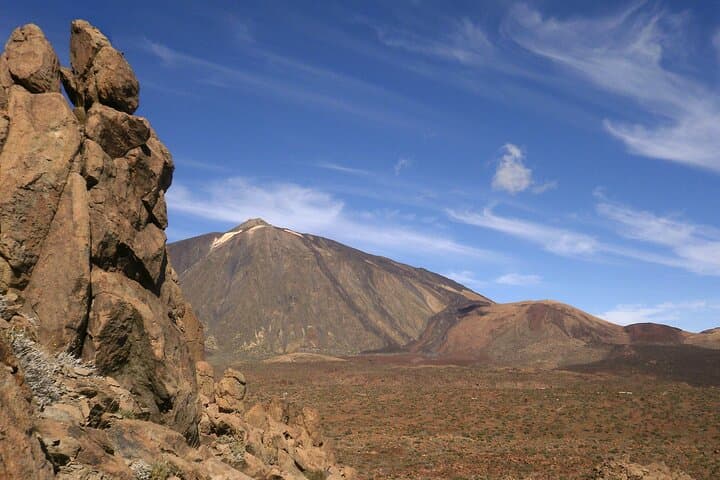
Early light strips the south face of Tenerife in silver and ochre as you begin the climb toward Teide’s 3,715 m summit. The trail rises through volcanic rock, pines falling behind you like pages; higher up, the caldera opens and the wind starts to push, as if testing resolve before the final ridge.
Verified experiences and guided adventures in the surrounding area.
Operated by CATREKK · La Orotava, Santa Cruz de Tenerife
Early light strips the south face of Tenerife in silver and ochre as you begin the climb toward Teide’s 3,715 m summit. The trail rises through volcanic rock, pines falling behind you like pages; higher up, the caldera opens and the wind starts to push, as if testing resolve before the final ridge.
Teide is an active stratovolcano with a layered history: older basalt flows underlie pumice and ash from eruptions across millennia. The national park is a UNESCO World Heritage Site for its extraordinary volcanic landscapes and endemic flora, including the tough tajinaste that colors spring slopes. Local culture ties to Guanche traditions and island navigation—views from the top reach Gran Canaria, La Gomera and La Palma on clear days; a true Atlantic panorama.
Practical guidance: this private, full-day climb typically takes about six hours. Guides arrange the required summit permit and prioritize safety; plan for altitude change, exposed terrain, and rapidly shifting weather. Start early to avoid mid-day heat and crowds; bring layered clothing, sun protection and extra water. The descent can be by cable car if available, or on foot for an extended return.
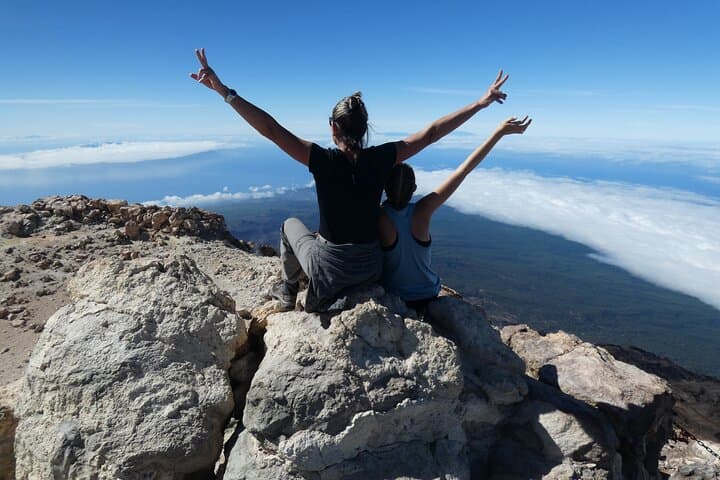
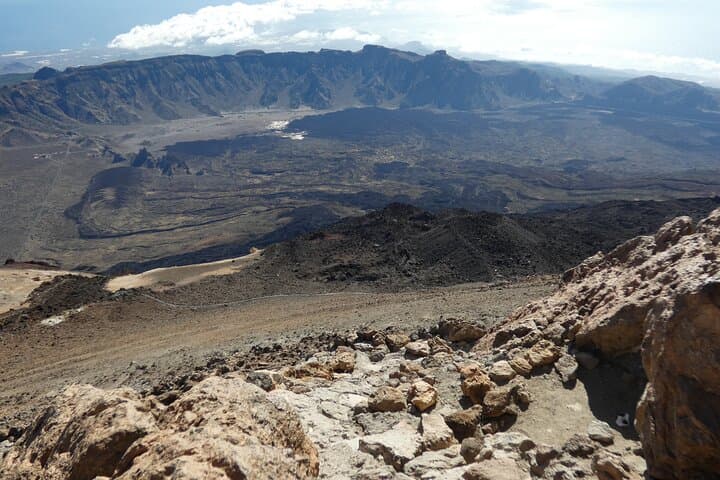
Expect rocky trails, loose scree near the crater, and the dramatic “sea of clouds” when inversion layers collect below you. The reward is not only the view but the sense of having moved through geological time—an ascent that is equal parts workout and field lesson in island geology.
challenging.
6 hours.
Suitable for hikers with good cardiovascular fitness and experience on sustained uphill terrain; expect steep sections and loose volcanic scree.
Yes—access to the summit crater requires a permit; guides typically arrange this in advance for private climbs.
Often yes, but cable car use depends on weather and operating hours; it’s wise to prepare for a hike down if needed.
The route is challenging due to sustained ascent and altitude; moderate to high fitness and prior hiking experience are recommended.
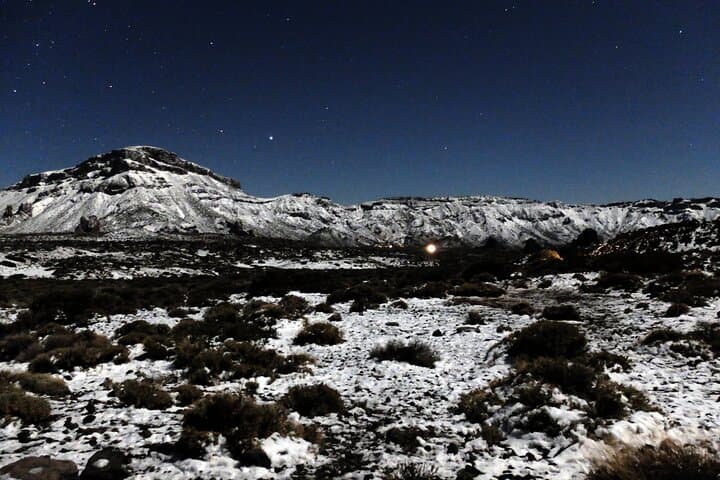
Spring through autumn offers milder conditions, but mornings can be cold year-round; winter may require snow gear and increases objective hazards.
The Guanche people regarded Teide as a sacred mountain; its eruptions and lava flows shaped local settlement patterns and modern scientific interest.
Teide National Park is protected and visitor numbers and summit access are managed by permit; stick to trails and minimize impact to fragile endemic vegetation.
CATREKK operates guided outdoor trips and adventures with an emphasis on safety, stewardship, and memorable experiences.
Early light strips the south face of Tenerife in silver and ochre as you begin the climb toward Teide’s 3,715 m summit. The trail rises through volcanic rock, pines falling behind you like pages; higher up, the caldera opens and the wind starts to push, as if testing resolve before the final ridge.
Early light strips the south face of Tenerife in silver and ochre as you begin the climb toward Teide’s 3,715 m summit. The trail rises through volcanic rock, pines falling behind you like pages; higher up, the caldera opens and the wind starts to push, as if testing resolve before the final ridge.
Teide is an active stratovolcano with a layered history: older basalt flows underlie pumice and ash from eruptions across millennia. The national park is a UNESCO World Heritage Site for its extraordinary volcanic landscapes and endemic flora, including the tough tajinaste that colors spring slopes. Local culture ties to Guanche traditions and island navigation—views from the top reach Gran Canaria, La Gomera and La Palma on clear days; a true Atlantic panorama.
Practical guidance: this private, full-day climb typically takes about six hours. Guides arrange the required summit permit and prioritize safety; plan for altitude change, exposed terrain, and rapidly shifting weather. Start early to avoid mid-day heat and crowds; bring layered clothing, sun protection and extra water. The descent can be by cable car if available, or on foot for an extended return.
Expect rocky trails, loose scree near the crater, and the dramatic “sea of clouds” when inversion layers collect below you. The reward is not only the view but the sense of having moved through geological time—an ascent that is equal parts workout and field lesson in island geology.