THE ADVENTURE COLLECTIVE® · Independent discovery and booking for outdoor travel

Climb to Table Mountain’s summit with a knowledgeable local guide and choose from exposed scrambles, forested approaches, or coastal ridgelines. This guide explains routes, practical logistics, and what to pack for a safe, rewarding ascent.
Climb to Table Mountain’s summit with a knowledgeable local guide and choose from exposed scrambles, forested approaches, or coastal ridgelines. This guide explains routes, practical logistics, and what to pack for a safe, rewarding ascent.
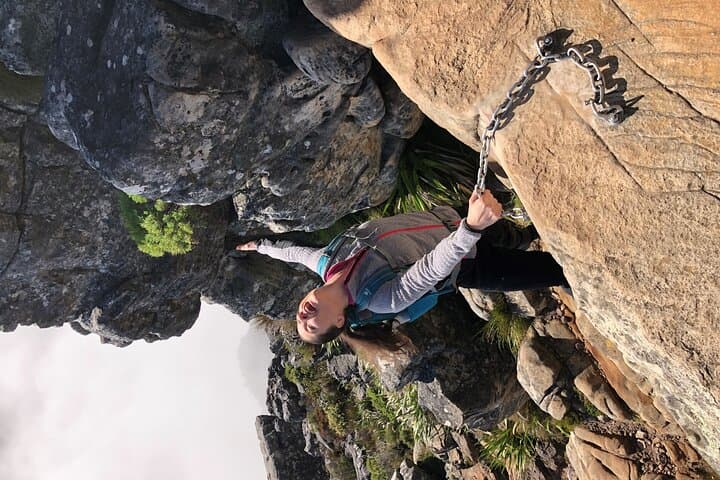
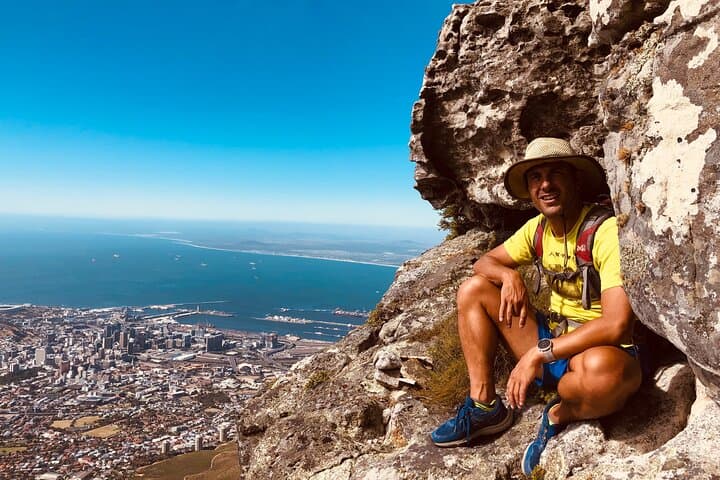
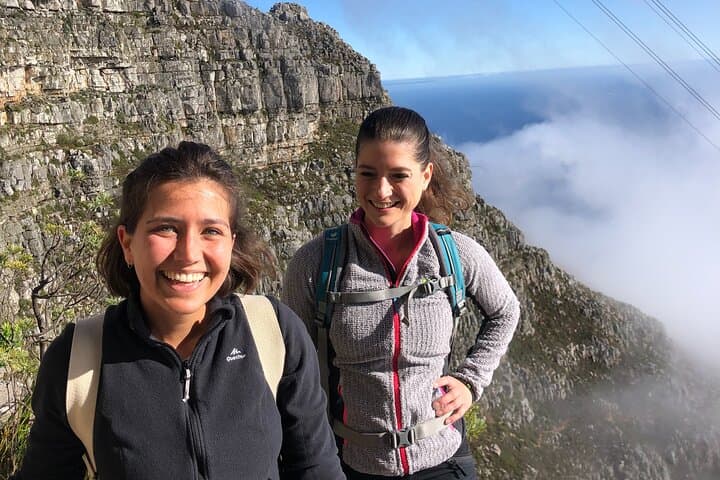
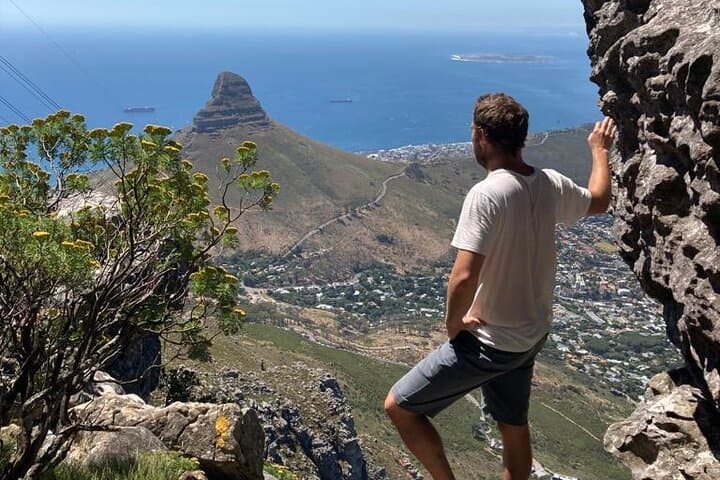
You step onto a rocky rim and the city unfurls below: harbors, rooftops, and the Atlantic pressing against the land. Wind hits first—an honest, sharp push—and then the sandstone plateaus of Table Mountain spread wide, flat and raw. A local guide leads, pointing out a secret ledge or a narrow scramble where the best photos come free of crowds.
Verified experiences and guided adventures in the surrounding area.
Operated by Mikey · Cape Town, Western Cape
You step onto a rocky rim and the city unfurls below: harbors, rooftops, and the Atlantic pressing against the land. Wind hits first—an honest, sharp push—and then the sandstone plateaus of Table Mountain spread wide, flat and raw. A local guide leads, pointing out a secret ledge or a narrow scramble where the best photos come free of crowds.
Table Mountain’s flat crown is carved from ancient quartzitic sandstone more than 450 million years old, sitting above Cape Town’s diverse fynbos and pockets of indigenous forest. The mountain carries human stories too: seasonal use by Khoisan people, colonial surveying (Maclear’s Beacon marks the summit), and more recent conservation efforts inside Table Mountain National Park. Routes vary: the exposed India Venster for committed scramblers, shaded Skeleton Gorge threading through forest to a mountain beach, the coastal Pipe Track for steady views, or Kasteelpoort’s diving-board rock for a dramatic Atlantic outlook.
Practically, expect 3–6 hours depending on route, with roughly 600–900 m of ascent and 6–12 km round trip on common lines. A guide manages route-finding, picks safer scramble lines in wind, and adds local history and plant ID. Weather can change fast—mist, sun, and fierce southeasterly winds are all possible in one afternoon. Bring sturdy boots, layered clothing, 2L+ water, and a plan for descent (on-foot or cableway). Start early to avoid crowds and wind, and leave no trace: erosion and invasive plants are ongoing management concerns. With the right preparation, a guided summit on Table Mountain is a technical day out that rewards with panoramic coastlines, hidden gullies, and a clearer sense of Cape Town beneath you.
challenging.
3–6 hours.
Should be in good cardiovascular shape with experience on steep, uneven terrain and basic scrambling; expect sustained uphill effort.
No—many routes are hiked independently—but a local guide adds safety on exposed scrambles, local route knowledge, and historical/ecological insights.
Yes; most tours offer cableway descent when operational, but it can close in strong winds—always have an on-foot descent alternative.
Expect challenging sections: steep, sustained climbs of 600–900 m and occasional scrambling; suitable for fit hikers comfortable on uneven ground.
Table Mountain National Park has entry regulations and parking fees in some areas; guided operators typically handle required access and logistics.
Maclear’s Beacon marks the trig point placed during 19th-century surveying; the mountain also holds longstanding Khoisan seasonal use sites and colonial-era landmarks.
Table Mountain is part of a national park with active invasive plant removal and erosion control; stick to trails and avoid trampling fynbos to help protect fragile habitats.
Mikey operates guided outdoor trips and adventures with an emphasis on safety, stewardship, and memorable experiences.
You step onto a rocky rim and the city unfurls below: harbors, rooftops, and the Atlantic pressing against the land. Wind hits first—an honest, sharp push—and then the sandstone plateaus of Table Mountain spread wide, flat and raw. A local guide leads, pointing out a secret ledge or a narrow scramble where the best photos come free of crowds.
You step onto a rocky rim and the city unfurls below: harbors, rooftops, and the Atlantic pressing against the land. Wind hits first—an honest, sharp push—and then the sandstone plateaus of Table Mountain spread wide, flat and raw. A local guide leads, pointing out a secret ledge or a narrow scramble where the best photos come free of crowds.
Table Mountain’s flat crown is carved from ancient quartzitic sandstone more than 450 million years old, sitting above Cape Town’s diverse fynbos and pockets of indigenous forest. The mountain carries human stories too: seasonal use by Khoisan people, colonial surveying (Maclear’s Beacon marks the summit), and more recent conservation efforts inside Table Mountain National Park. Routes vary: the exposed India Venster for committed scramblers, shaded Skeleton Gorge threading through forest to a mountain beach, the coastal Pipe Track for steady views, or Kasteelpoort’s diving-board rock for a dramatic Atlantic outlook.
Practically, expect 3–6 hours depending on route, with roughly 600–900 m of ascent and 6–12 km round trip on common lines. A guide manages route-finding, picks safer scramble lines in wind, and adds local history and plant ID. Weather can change fast—mist, sun, and fierce southeasterly winds are all possible in one afternoon. Bring sturdy boots, layered clothing, 2L+ water, and a plan for descent (on-foot or cableway). Start early to avoid crowds and wind, and leave no trace: erosion and invasive plants are ongoing management concerns. With the right preparation, a guided summit on Table Mountain is a technical day out that rewards with panoramic coastlines, hidden gullies, and a clearer sense of Cape Town beneath you.