THE ADVENTURE COLLECTIVE® · Independent discovery and booking for outdoor travel

A demanding ascent to La Soufrière’s 4,000-foot summit, this guided hike on St. Vincent mixes dense rainforest, volcanic terrain, and crater-edge views. Expect steep switchbacks, variable weather, and a 4–6 hour roundtrip that rewards effort with sweeping island panoramas.
A demanding ascent to La Soufrière’s 4,000-foot summit, this guided hike on St. Vincent mixes dense rainforest, volcanic terrain, and crater-edge views. Expect steep switchbacks, variable weather, and a 4–6 hour roundtrip that rewards effort with sweeping island panoramas.
Morning light hits the ridgeline and the island exhales: the trail to La Soufrière opens with humid forest, then climbs into thin air where the crater keeps its own weather. Hikers move in a steady rhythm—breath, footfall, glance—while the guide reads the landscape: sulfur-smudged fumaroles, black volcanic scree, and stands of rain forest that give way to open scrub near the rim.
Verified experiences and guided adventures in the surrounding area.
Operated by Stays Taxi & Tours · Kingstown, Saint Vincent
Morning light hits the ridgeline and the island exhales: the trail to La Soufrière opens with humid forest, then climbs into thin air where the crater keeps its own weather. Hikers move in a steady rhythm—breath, footfall, glance—while the guide reads the landscape: sulfur-smudged fumaroles, black volcanic scree, and stands of rain forest that give way to open scrub near the rim.
La Soufrière stands at roughly 4,000 feet and has shaped island life for centuries; its 1979 and 2021 eruptions are recent reminders of the peak’s ongoing geology. The volcano sits on an active arc formed by the subduction of the Atlantic plate beneath the Caribbean plate, producing soils that support dense forest and farmland on the lower slopes. Culturally, communities around Kingstown maintain a close relationship with the mountain—mountain paths were once routes for trade and communication between valleys.
Expect a strenuous ascent of steep switchbacks, volcanic gravel, and occasional loose rock; weather can shift quickly from bright sun to drizzle. The guided tour typically runs 4–6 hours roundtrip and includes snacks and bottled water at the trailhead. Plan for early starts to avoid midday heat and afternoon showers, wear grippy boots, and carry layers for wind and sulfur-scented crater air.
Practical tips: hydrate well before the climb, use trekking poles for balance on scree, and follow your guide—sticking to established paths protects fragile vegetation and keeps fumarole hazards obvious. The summit view rewards effort: the island drops away and the Caribbean stretches to the horizon, a raw reminder of the forces that built these shores.
challenging.
4–6 hours.
Requires a high level of cardiovascular fitness and leg strength; regular hikers who train with sustained climbs will fare best.
The guided hike typically takes 4–6 hours roundtrip depending on pace and weather conditions.
No—this is a challenging climb that requires good fitness; inexperienced hikers should train or consider shorter guided options.
Yes, the tour is guided; local guides know safe routes, current volcanic conditions, and land access.
Wear breathable layers, a waterproof shell, sturdy hiking boots with good traction, and a hat—conditions change with altitude.
La Soufrière has erupted several times in modern history, most notably in 1979 and again in 2021, shaping settlement patterns and emergency planning on the island.
Trails cross sensitive volcanic soils and regenerating forest—stick to paths, pack out waste, and support local guides who contribute to conservation and community livelihoods.
Stays Taxi & Tours operates guided outdoor trips and adventures with an emphasis on safety, stewardship, and memorable experiences.
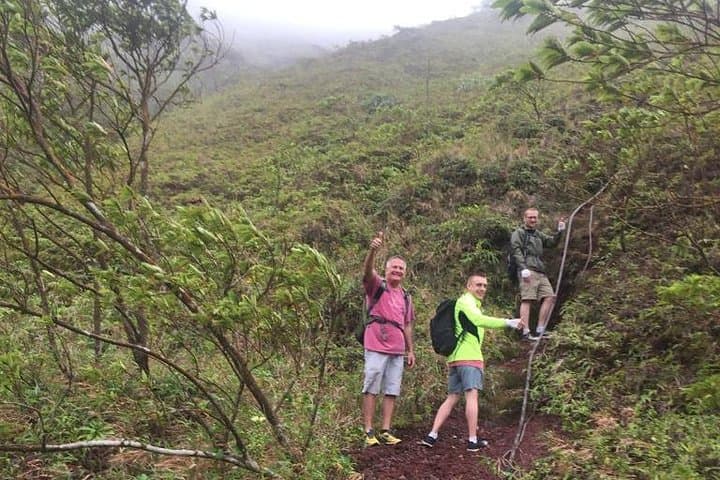
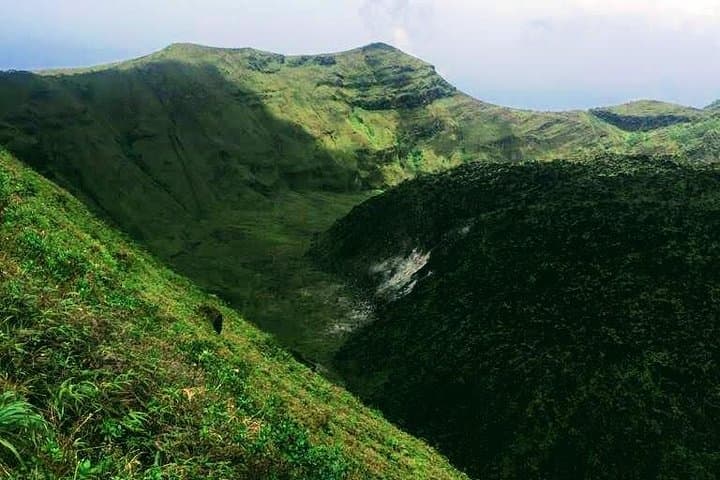
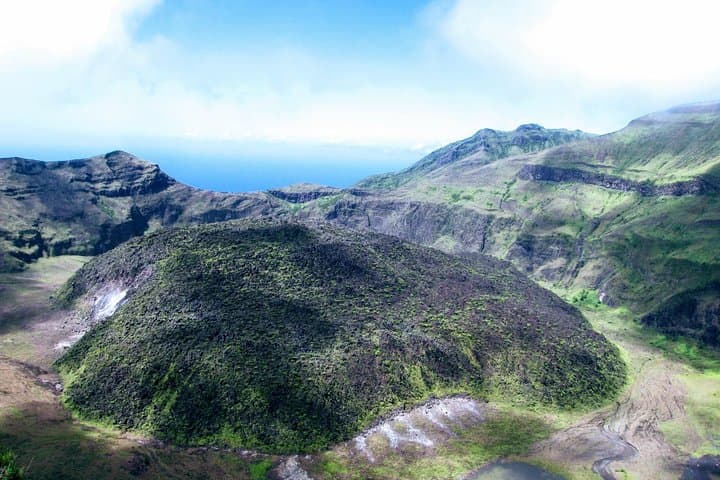
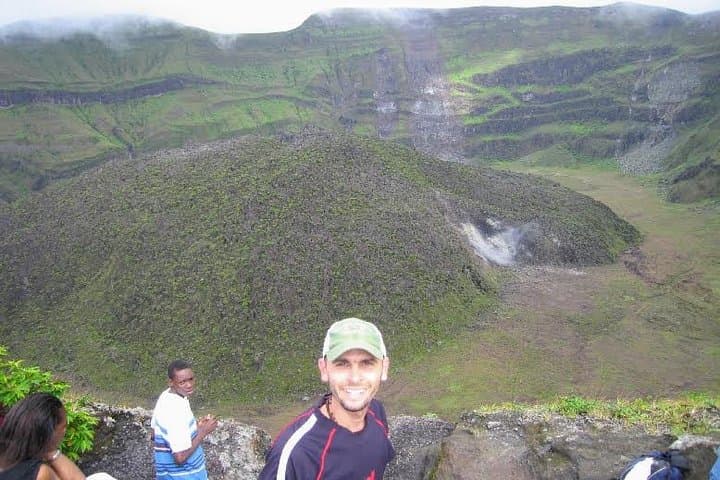
Morning light hits the ridgeline and the island exhales: the trail to La Soufrière opens with humid forest, then climbs into thin air where the crater keeps its own weather. Hikers move in a steady rhythm—breath, footfall, glance—while the guide reads the landscape: sulfur-smudged fumaroles, black volcanic scree, and stands of rain forest that give way to open scrub near the rim.
Morning light hits the ridgeline and the island exhales: the trail to La Soufrière opens with humid forest, then climbs into thin air where the crater keeps its own weather. Hikers move in a steady rhythm—breath, footfall, glance—while the guide reads the landscape: sulfur-smudged fumaroles, black volcanic scree, and stands of rain forest that give way to open scrub near the rim.
La Soufrière stands at roughly 4,000 feet and has shaped island life for centuries; its 1979 and 2021 eruptions are recent reminders of the peak’s ongoing geology. The volcano sits on an active arc formed by the subduction of the Atlantic plate beneath the Caribbean plate, producing soils that support dense forest and farmland on the lower slopes. Culturally, communities around Kingstown maintain a close relationship with the mountain—mountain paths were once routes for trade and communication between valleys.
Expect a strenuous ascent of steep switchbacks, volcanic gravel, and occasional loose rock; weather can shift quickly from bright sun to drizzle. The guided tour typically runs 4–6 hours roundtrip and includes snacks and bottled water at the trailhead. Plan for early starts to avoid midday heat and afternoon showers, wear grippy boots, and carry layers for wind and sulfur-scented crater air.
Practical tips: hydrate well before the climb, use trekking poles for balance on scree, and follow your guide—sticking to established paths protects fragile vegetation and keeps fumarole hazards obvious. The summit view rewards effort: the island drops away and the Caribbean stretches to the horizon, a raw reminder of the forces that built these shores.