THE ADVENTURE COLLECTIVE® · Independent discovery and booking for outdoor travel

A private, two-day guided climb to Daecheongbong (1,708 m) in Seoraksan National Park. Expect steep granite slabs, historic temple visits, and coastal seafood in Sokcho at day’s end.
A private, two-day guided climb to Daecheongbong (1,708 m) in Seoraksan National Park. Expect steep granite slabs, historic temple visits, and coastal seafood in Sokcho at day’s end.
You stand before a band of granite ridges that push up from the forest like a folded map—Seoraksan’s slopes rising toward Daecheongbong at 1,708 m. Morning mist slips through pines as your guide checks boots and route, and the road from Seoul unwinds behind you toward the east coast and Sokcho.
Verified experiences and guided adventures in the surrounding area.
Operated by Outdoors Korea · Sokcho, Gangwon-do
You stand before a band of granite ridges that push up from the forest like a folded map—Seoraksan’s slopes rising toward Daecheongbong at 1,708 m. Morning mist slips through pines as your guide checks boots and route, and the road from Seoul unwinds behind you toward the east coast and Sokcho.
Seoraksan National Park, created in the 20th century to protect these steep, metamorphic peaks, combines jagged granite faces with ancient Buddhist sites. Shinheungsa temple anchors one approach, its bronze Buddha watching over valleys carved by glaciers and torrents. Local culture centers on seafood from Sokcho and mountain lore passed down by guides who read weather and rock as readily as maps.
The ascent is straightforward but sustained: expect 6–8 km up with 800–1,100 m of elevation gain depending on the chosen route, and a longer descent of roughly 10–12 km back down. Terrain alternates packed dirt, stone stairways, exposed slabs and short sections of handline or scrambling through steeper tiers. In winter the mountain tightens—crampons and headlamps become standard.
Practical guide: start early, carry water and layered insulation, and plan for sudden weather shifts. The private, two-day format means a mountain expert sets pace, handles navigation, and offers local context on history, religion and ecology. Finish the day in Sokcho sampling the fish market—your legs will remember the climb, and the views from Daecheongbong will speak plainly for themselves.
challenging.
2 days (6–10 hours hiking per day).
High: regular hill or mountain hikers who can sustain long ascents and descents with a loaded daypack.
You should be in good aerobic condition and used to sustained uphill hiking; the climb involves long ascents with up to ~1,100 m gain and technical exposure on steep stone.
Yes—hotel pickup and drop-off in Seoul or nearby locations are included as part of the private tour.
The guide will adjust route or timing for safety; note the booking is non-refundable and the operator may alter itinerary to safer alternatives.
The operator requires crampons and headlamps in winter; confirm whether rental is available or bring your own certified gear.
Shinheungsa temple and mountain routes have been pilgrimage and refuge sites for centuries; Seoraksan was designated a national park to protect its unique geology and cultural sites.
Stay on marked trails to prevent erosion on fragile alpine soils; carry out all waste and avoid feeding wildlife to reduce human–animal conflicts.
Outdoors Korea operates guided outdoor trips and adventures with an emphasis on safety, stewardship, and memorable experiences.
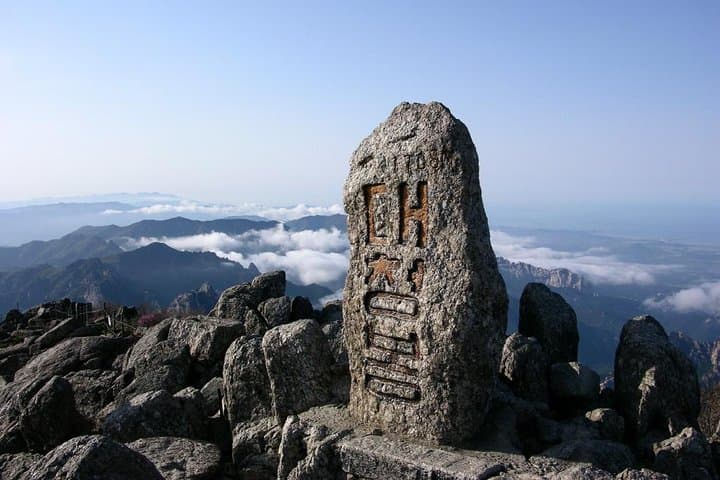
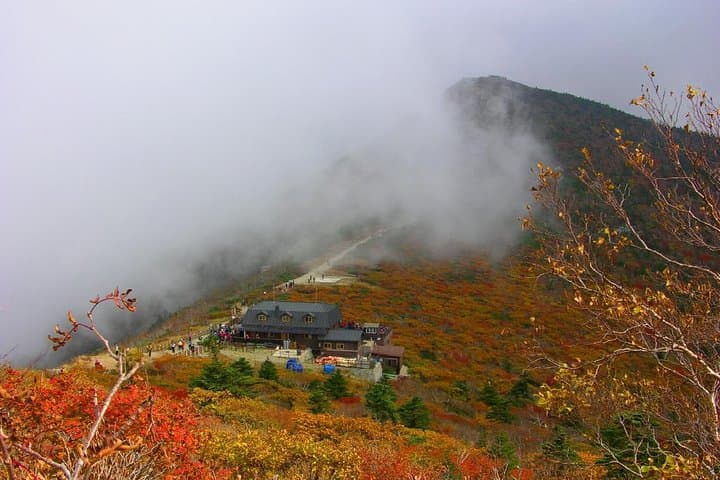
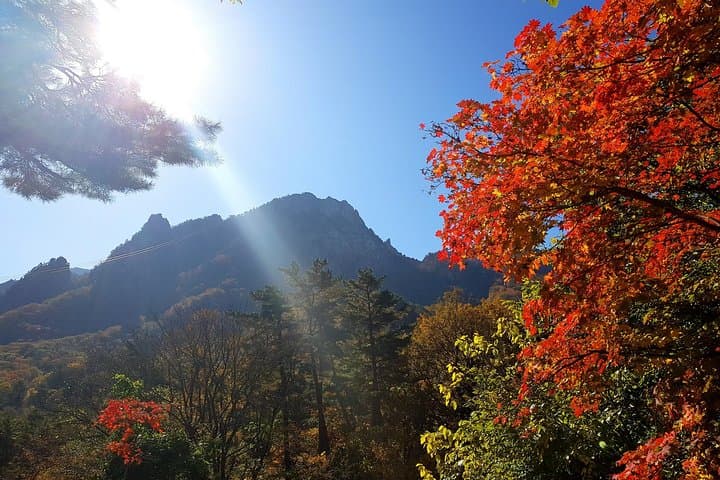
You stand before a band of granite ridges that push up from the forest like a folded map—Seoraksan’s slopes rising toward Daecheongbong at 1,708 m. Morning mist slips through pines as your guide checks boots and route, and the road from Seoul unwinds behind you toward the east coast and Sokcho.
You stand before a band of granite ridges that push up from the forest like a folded map—Seoraksan’s slopes rising toward Daecheongbong at 1,708 m. Morning mist slips through pines as your guide checks boots and route, and the road from Seoul unwinds behind you toward the east coast and Sokcho.
Seoraksan National Park, created in the 20th century to protect these steep, metamorphic peaks, combines jagged granite faces with ancient Buddhist sites. Shinheungsa temple anchors one approach, its bronze Buddha watching over valleys carved by glaciers and torrents. Local culture centers on seafood from Sokcho and mountain lore passed down by guides who read weather and rock as readily as maps.
The ascent is straightforward but sustained: expect 6–8 km up with 800–1,100 m of elevation gain depending on the chosen route, and a longer descent of roughly 10–12 km back down. Terrain alternates packed dirt, stone stairways, exposed slabs and short sections of handline or scrambling through steeper tiers. In winter the mountain tightens—crampons and headlamps become standard.
Practical guide: start early, carry water and layered insulation, and plan for sudden weather shifts. The private, two-day format means a mountain expert sets pace, handles navigation, and offers local context on history, religion and ecology. Finish the day in Sokcho sampling the fish market—your legs will remember the climb, and the views from Daecheongbong will speak plainly for themselves.