THE ADVENTURE COLLECTIVE® · Independent discovery and booking for outdoor travel

Take on Psiloritis (Mount Ida), Crete’s highest peak at 2,456 m. This full-day hike mixes karst plateaus, steep limestone ridges and myth-steeped history — ideal for fit hikers seeking dramatic views and rugged terrain.
Take on Psiloritis (Mount Ida), Crete’s highest peak at 2,456 m. This full-day hike mixes karst plateaus, steep limestone ridges and myth-steeped history — ideal for fit hikers seeking dramatic views and rugged terrain.
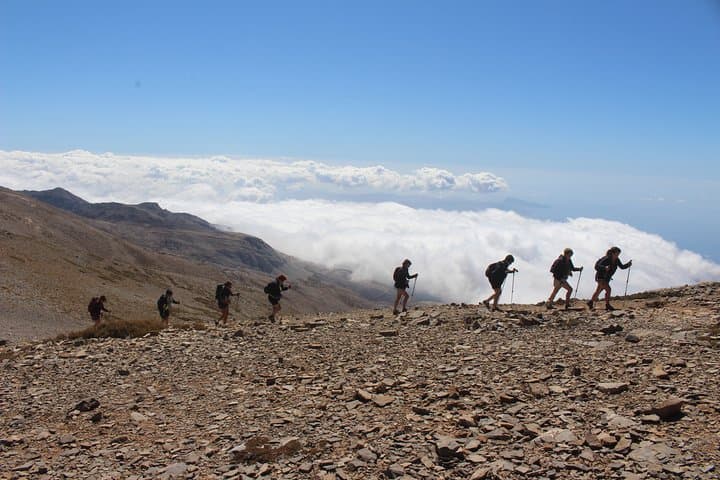
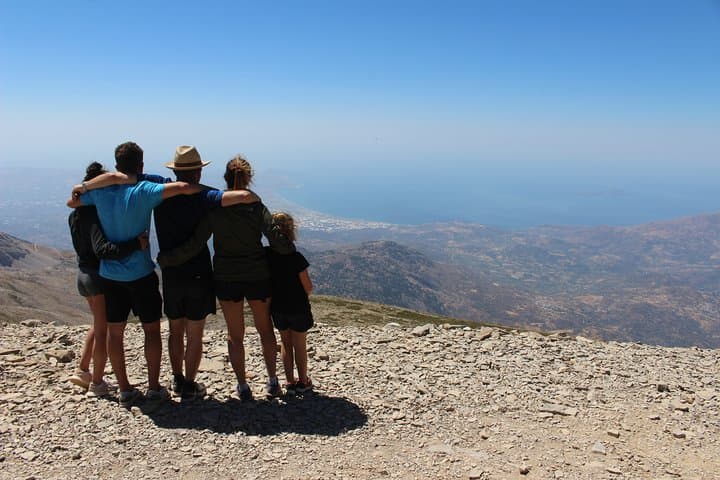
A scramble of limestone and thyme opens beneath a low, Cretan sky as you leave the last stone village behind and climb toward Psiloritis’ ridgeline. Wind tugs at your jacket and the exposed trail narrows; below, terraced valleys roll away toward the sea, above you the bare crest holds the summit cross like a challenge.
Verified experiences and guided adventures in the surrounding area.
Operated by Creta Trekking · Anogeia, Crete
A scramble of limestone and thyme opens beneath a low, Cretan sky as you leave the last stone village behind and climb toward Psiloritis’ ridgeline. Wind tugs at your jacket and the exposed trail narrows; below, terraced valleys roll away toward the sea, above you the bare crest holds the summit cross like a challenge.
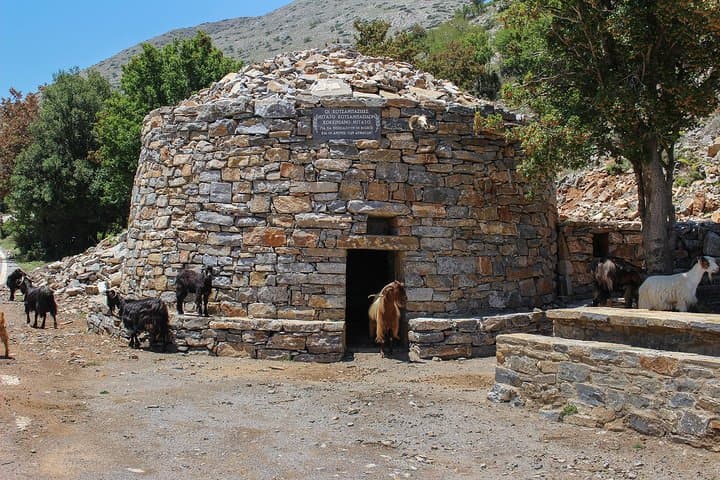
Geologically Psiloritis is a karst landscape — caves, sinkholes and plateaus carved from limestone over millions of years — and the massif hosts rare subalpine plants recognized within a UNESCO Geopark. Culturally the range is threaded with myth: ancient sources place Zeus’s cave and rites on these slopes, and local shepherding traditions still shape seasonal movement across the high pastures.
Expect a varied route: forested approach, scree fields and steep stone steps as you rise, then a broad rocky summit. The tour’s full-day timing commonly includes transport from lowland towns and time for snacks at the top; total outing length often runs 6–8 hours depending on pace and transfers.
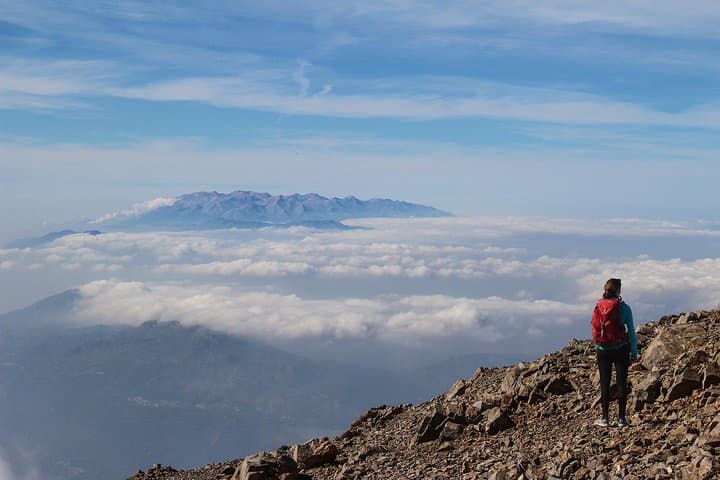
Practical notes: start early for stable weather and clearer views, carry layers for sudden wind and temperature drops, and use trekking poles on the scree. Footwear should be sturdy with good grip; bring extra water — springs are seasonal — and sun protection. Respect protected areas and stick to established tracks to avoid fragile alpine flora. On a clear day the summit panorama stretches from Crete’s central plateaus to the distant sea — a stark, elemental finish to a demanding day on Greek high ground.
challenging.
6–8 hours.
Suitable for hikers with good cardiovascular fitness and experience with sustained uphill sections and uneven terrain
The uphill segment can take around 2–3 hours for fit hikers; the full guided outing, including transport and breaks, typically runs 6–8 hours.
No technical climbing gear is needed for the standard route; good boots, layers and poles are sufficient.
Late spring through early autumn offers the most stable conditions; winter can bring snow and require mountaineering experience and equipment.
At 2,456 m the altitude is moderate; most healthy hikers acclimatize fine, but anyone prone to cardiovascular issues should consult a doctor before attempting the climb.
Psiloritis holds mythic significance as a place associated with Zeus in ancient Greek stories and contains archaeological evidence of ritual use in antiquity.
The massif is part of a UNESCO Geopark; stay on established trails to protect endemic plants and avoid disturbing grazing regimes and nesting raptors.
Creta Trekking operates guided outdoor trips and adventures with an emphasis on safety, stewardship, and memorable experiences.
A scramble of limestone and thyme opens beneath a low, Cretan sky as you leave the last stone village behind and climb toward Psiloritis’ ridgeline. Wind tugs at your jacket and the exposed trail narrows; below, terraced valleys roll away toward the sea, above you the bare crest holds the summit cross like a challenge.
A scramble of limestone and thyme opens beneath a low, Cretan sky as you leave the last stone village behind and climb toward Psiloritis’ ridgeline. Wind tugs at your jacket and the exposed trail narrows; below, terraced valleys roll away toward the sea, above you the bare crest holds the summit cross like a challenge.
Geologically Psiloritis is a karst landscape — caves, sinkholes and plateaus carved from limestone over millions of years — and the massif hosts rare subalpine plants recognized within a UNESCO Geopark. Culturally the range is threaded with myth: ancient sources place Zeus’s cave and rites on these slopes, and local shepherding traditions still shape seasonal movement across the high pastures.
Expect a varied route: forested approach, scree fields and steep stone steps as you rise, then a broad rocky summit. The tour’s full-day timing commonly includes transport from lowland towns and time for snacks at the top; total outing length often runs 6–8 hours depending on pace and transfers.
Practical notes: start early for stable weather and clearer views, carry layers for sudden wind and temperature drops, and use trekking poles on the scree. Footwear should be sturdy with good grip; bring extra water — springs are seasonal — and sun protection. Respect protected areas and stick to established tracks to avoid fragile alpine flora. On a clear day the summit panorama stretches from Crete’s central plateaus to the distant sea — a stark, elemental finish to a demanding day on Greek high ground.