THE ADVENTURE COLLECTIVE® · Independent discovery and booking for outdoor travel

Climb Portugal's highest peak on a steep, volcanic ridge that rewards effort with island-to-ocean panoramas. This guided 6–8 hour hike from Casa da Montanha is physically demanding but nontechnical for fit hikers.
Climb Portugal's highest peak on a steep, volcanic ridge that rewards effort with island-to-ocean panoramas. This guided 6–8 hour hike from Casa da Montanha is physically demanding but nontechnical for fit hikers.
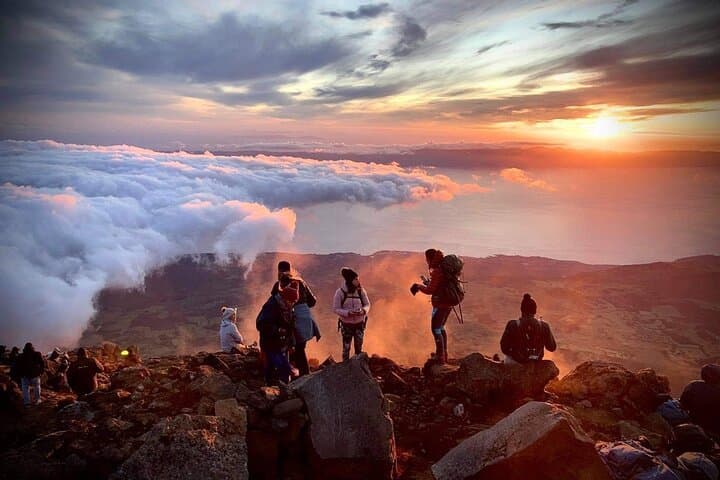
At dawn the ridge of Pico appears as a dark blade against the Atlantic, the summit cap folded into cloud as hikers assemble at Casa da Montanha at 1,200 meters. The trail immediately narrows and steepens — volcanic scree underfoot, the wind constantly testing balance — and the mountain demands steady breathing and a deliberate pace.
Verified experiences and guided adventures in the surrounding area.
Operated by GOclimb Azores · Madalena, Azores
At dawn the ridge of Pico appears as a dark blade against the Atlantic, the summit cap folded into cloud as hikers assemble at Casa da Montanha at 1,200 meters. The trail immediately narrows and steepens — volcanic scree underfoot, the wind constantly testing balance — and the mountain demands steady breathing and a deliberate pace.
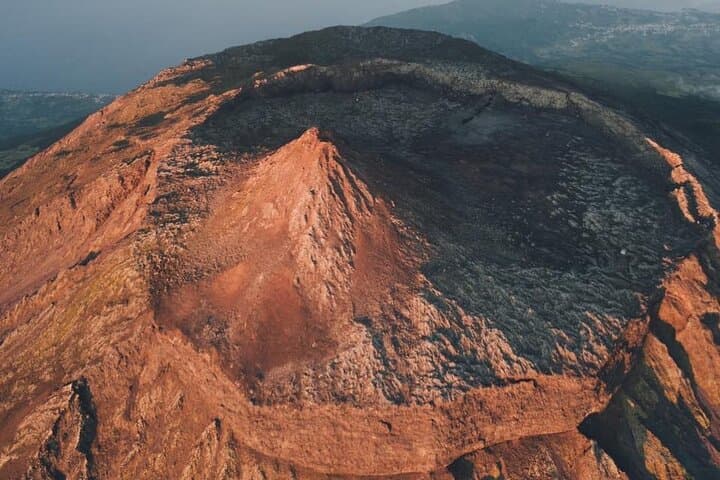
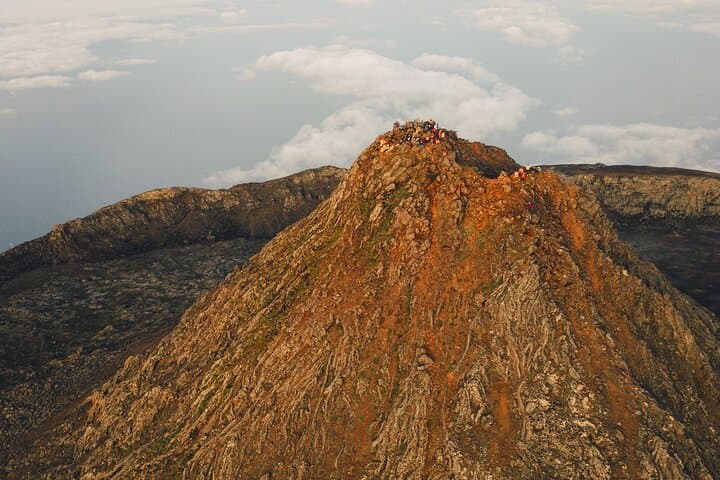
Pico is the tallest point in Portugal at 2,351 meters and a young stratovolcano whose lava flows sculpted the island over successive eruptions. The route climbs roughly 8 km round-trip with sustained gradients that average near 30 percent in places, crossing basalt fields, broken lava, and pockets of pioneer vegetation that cling to the rock.
Locals respect Pico as both a challenge and a marker of identity; whalers once launched small boats into these seas, and today the island balances farming, wine terraces in the lowlands, and growing adventure tourism. From the upper slopes, clear days open views to São Jorge and Faial, and on the coast the sea life — including whales and dolphins — feels as if it crouches, watching.
Practical guidance: this hike takes about 6–8 hours round-trip with considerable elevation gain and uneven volcanic terrain. Expect wind, rapid weather shifts, and exposed sections; wear stiff-soled boots, layered clothing, sun protection, and carry 2–3 liters of water and snacks. Guides typically provide poles and route briefings; if altitude affects breathing, descend immediately. Start early for stable weather and to avoid afternoon cloud and wind at the summit.
challenging.
6–8 hours.
Requires high aerobic fitness and leg strength; regular hill or stair training recommended
No technical mountaineering skills are required, but participants must be in good physical condition and comfortable on steep, rocky terrain.
The guided route is roughly 8 km round-trip with about 1,150 meters of elevation gain from Casa da Montanha to the 2,351 m summit.
Descend immediately and inform the guide; symptoms can indicate altitude or exertion issues and warrant a conservative response.
Late spring through early fall offers the most stable conditions, but weather on Pico is unpredictable year-round so check forecasts and go with a guide.
Pico is a comparatively young stratovolcano whose eruptions shaped the island; whaling and viticulture historically defined local livelihoods.
Trail erosion and fragile pioneer plants are sensitive to trampling; stick to marked routes, avoid collecting rocks, and pack out all waste.
GOclimb Azores operates guided outdoor trips and adventures with an emphasis on safety, stewardship, and memorable experiences.
At dawn the ridge of Pico appears as a dark blade against the Atlantic, the summit cap folded into cloud as hikers assemble at Casa da Montanha at 1,200 meters. The trail immediately narrows and steepens — volcanic scree underfoot, the wind constantly testing balance — and the mountain demands steady breathing and a deliberate pace.
At dawn the ridge of Pico appears as a dark blade against the Atlantic, the summit cap folded into cloud as hikers assemble at Casa da Montanha at 1,200 meters. The trail immediately narrows and steepens — volcanic scree underfoot, the wind constantly testing balance — and the mountain demands steady breathing and a deliberate pace.
Pico is the tallest point in Portugal at 2,351 meters and a young stratovolcano whose lava flows sculpted the island over successive eruptions. The route climbs roughly 8 km round-trip with sustained gradients that average near 30 percent in places, crossing basalt fields, broken lava, and pockets of pioneer vegetation that cling to the rock.
Locals respect Pico as both a challenge and a marker of identity; whalers once launched small boats into these seas, and today the island balances farming, wine terraces in the lowlands, and growing adventure tourism. From the upper slopes, clear days open views to São Jorge and Faial, and on the coast the sea life — including whales and dolphins — feels as if it crouches, watching.
Practical guidance: this hike takes about 6–8 hours round-trip with considerable elevation gain and uneven volcanic terrain. Expect wind, rapid weather shifts, and exposed sections; wear stiff-soled boots, layered clothing, sun protection, and carry 2–3 liters of water and snacks. Guides typically provide poles and route briefings; if altitude affects breathing, descend immediately. Start early for stable weather and to avoid afternoon cloud and wind at the summit.